
Last updated November 24, 2026
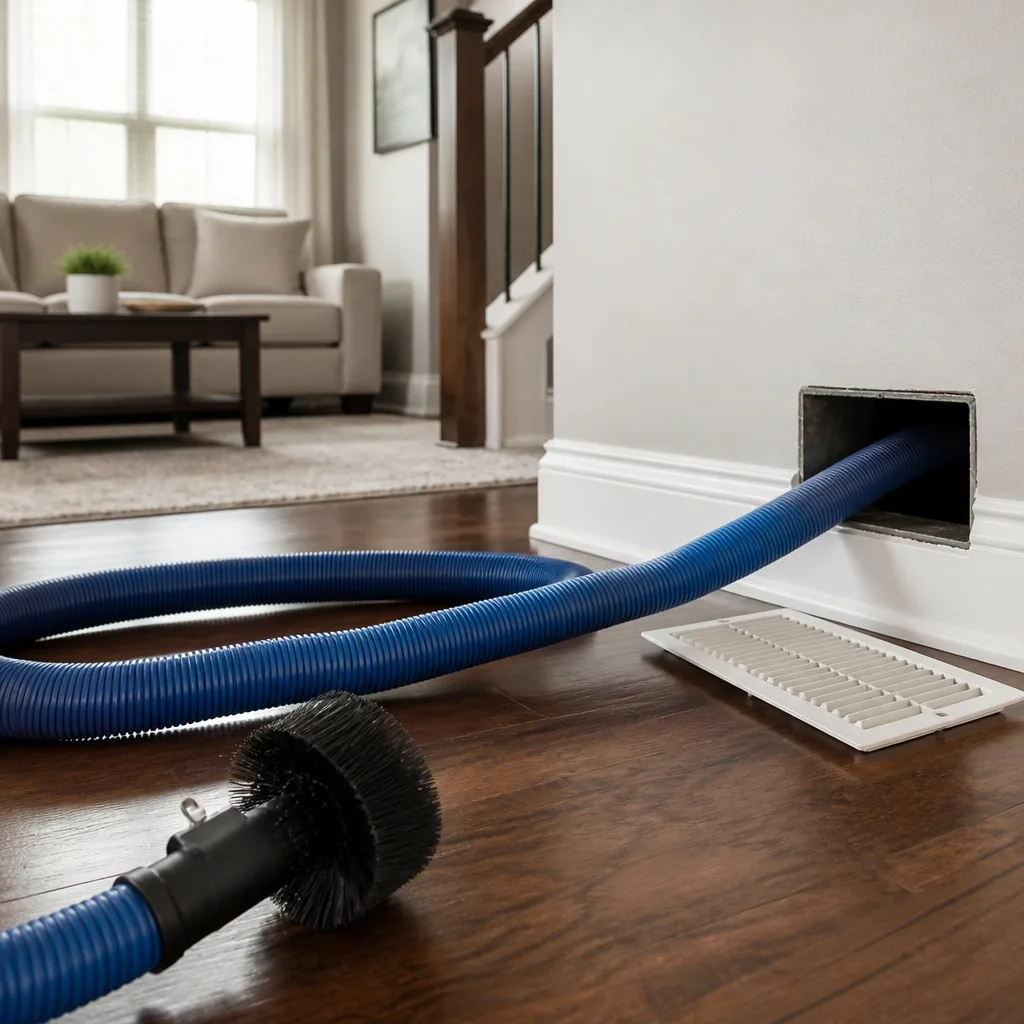 Whole-home duct cleaning
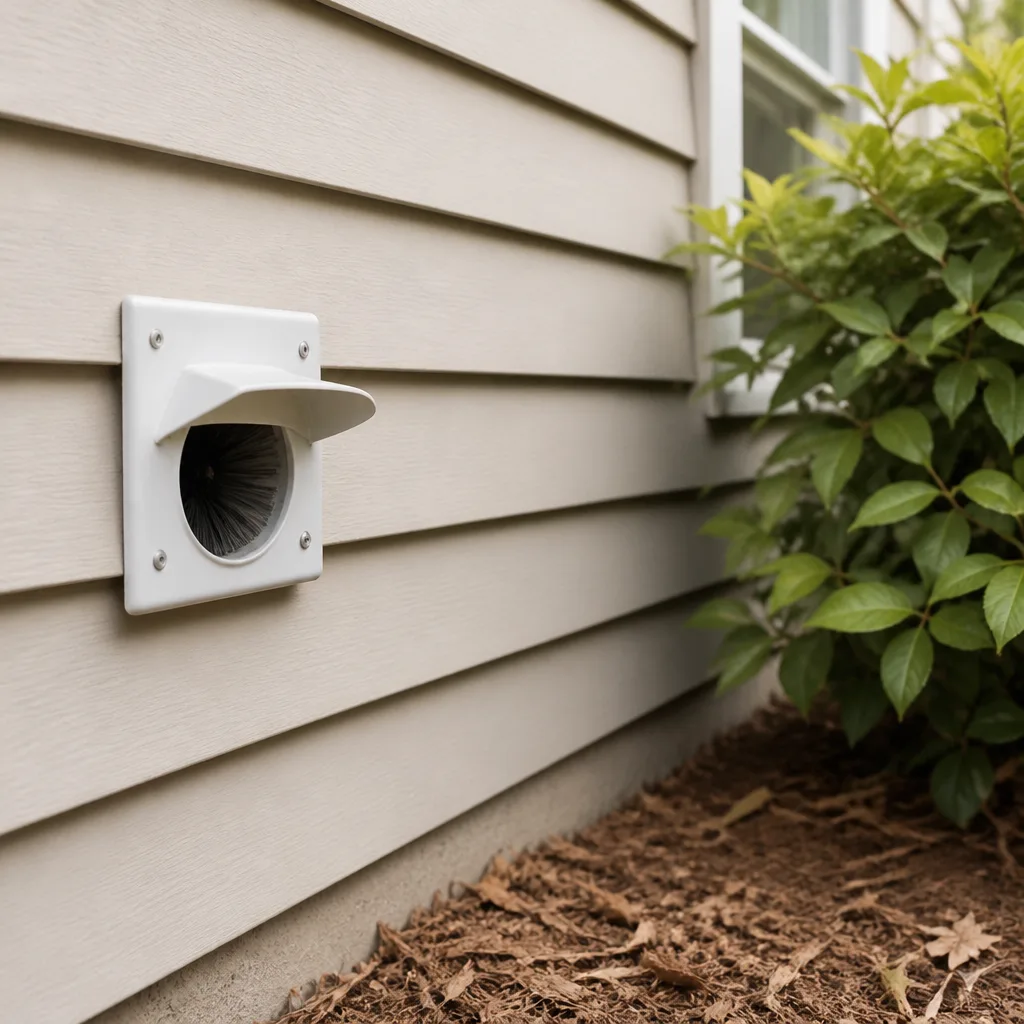 Dryer vent cleaning
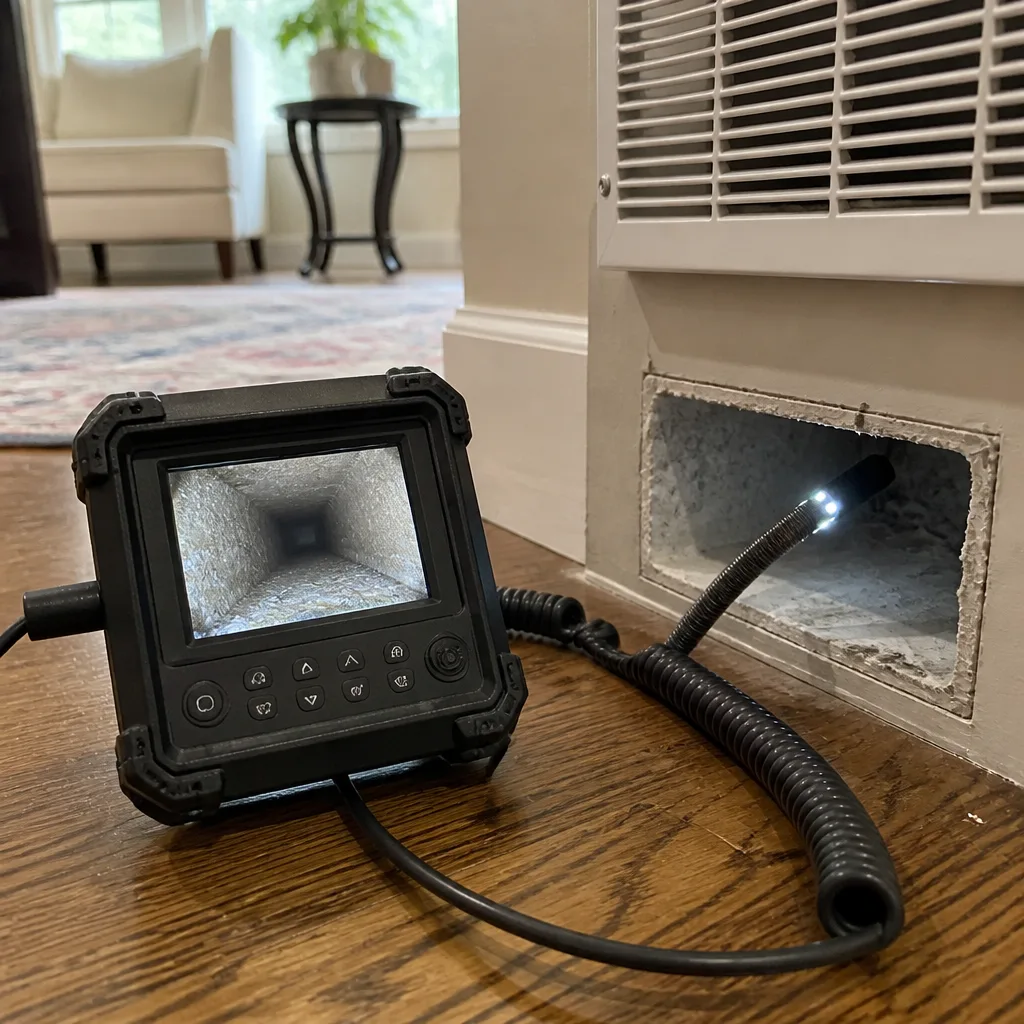 Camera inspection
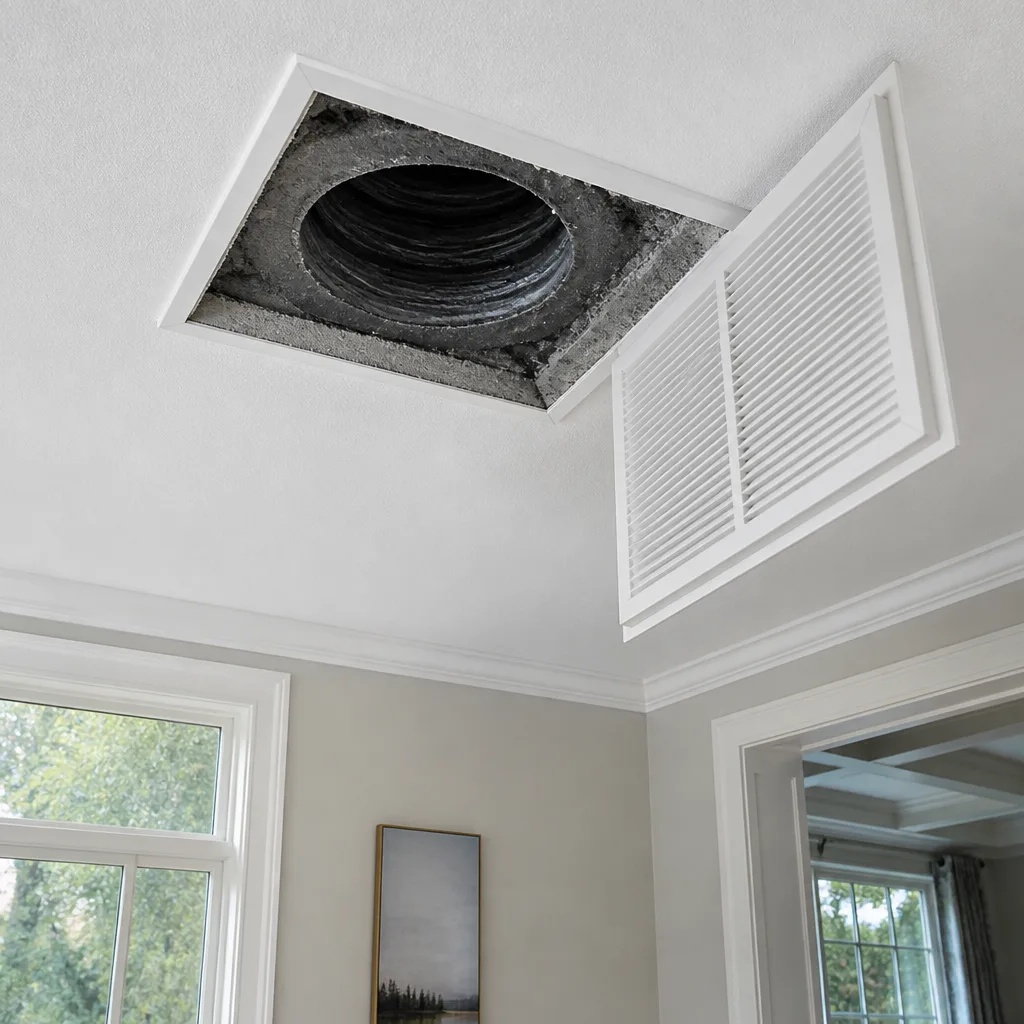 Sanitizing & deodorizing
Whole-system duct and dryer vent check with before-and-after photos - you see exactly what came out of your vents
That "$99 whole-house special" is a bait ad - the real number appears once they are in your hallway, or the "clean" is a shop-vac at the register. We photograph the inside of your ducts before and after instead.
Air Duct Cleaning Emergency Preparedness Guide for Seven Hills Homes
Most homeowners treat ductwork as background infrastructure and assume the only emergency is a furnace that quits. The real emergencies start outside the house. During Colorado’s 2020 wildfire season, smoke pushed into homes across the Front Range, and in houses running central air in “fan on” mode, fine smoke particles moved through the whole duct network in under two hours. A filter change afterward doesn’t undo what already settled on duct walls and interior insulation. This guide lays out a workable emergency protocol for three events Seven Hills homeowners actually face: wildfire smoke, water intrusion, and renovation dust. You’ll get the shutdown triggers, the first-48-hour steps, and what to have on hand before the season starts.
Quick Answer
In a duct emergency, shut the HVAC system down first, then assess. Cut power to the air handler during a heavy smoke event or active water intrusion, protect the filter and registers, document what happened, and only restart after a professional has checked the duct interior. For smoke, most homes need professional duct cleaning if the event lasted more than a day or the system stayed running; for water, the ductwork must be dried and assessed before restart to avoid spreading mold through Seven Hills homes.
Styles & brands we work with
- Whole-home duct cleaning
- Dryer vent cleaning
- Camera inspection
- Sanitizing & deodorizing
Table of Contents
- The Three Emergency Scenarios That Actually Affect Ductwork
- Wildfire Smoke Protocol: The First 24 Hours
- Post-Flood and Water Intrusion: The 48-Hour Window
- Construction Dust Events: Staging the HVAC System
- What to Tell an Emergency Contractor on the First Call
- Pre-Event Preparation: What to Have Ready
- How a Professional Emergency Assessment Works
- After the Event: Repair, Sealing, and Air Quality
The Three Emergency Scenarios That Actually Affect Ductwork
In our experience, duct emergencies in Seven Hills fall into three categories, and each one runs on a different clock.
- Wildfire smoke infiltration. Smoke moves fast but damage accumulates slowly. The active danger window is hours, the cleanup window is days to weeks. Particle deposits build up with every hour the system runs during an event.
- Water intrusion and flash flooding. This is the fastest clock. Wet duct lining, insulation, and interior surfaces can support mold colonization within 24 to 48 hours under warm, humid conditions. Restarting a wet system spreads spores through every conditioned room.
- Construction and renovation dust. A slow-moving event with a long tail. Drywall dust, sawdust, and silica particles settle through open registers and into return chutes over the course of a whole project. Containment failure turns a contained renovation into a whole-house cleaning job.
Seven Hills sits in a part of Colorado where all three happen. Summer wildfire smoke rolls in from the mountains and west. Summer thunderstorms drop heavy rain fast on sloped terrain, and water finds its way into crawl spaces and mechanical closets. And renovation season runs from spring through fall, with plenty of dust moving through homes that still have the original duct layout. Knowing which clock you’re on tells you how urgently to act.
Wildfire Smoke Protocol: The First 24 Hours
Smoke events are the most misunderstood of the three. The instinct is to close the windows, crank the fan, and filter the air. That instinct is backward in most homes.
Step 1: Decide whether to shut the system down
Shut down the HVAC system the moment smoke is visibly thick outside and the interior smell is strong. Leaving the fan running in “on” mode pulls outdoor air through the return and pushes it through the supply side at full volume. If your system has a fresh-air intake, this is the worst thing you can do. If outdoor air quality has improved and the smoke smell indoors has faded, running the fan on a normal cycle with a quality filter helps clear what’s inside.
Step 2: Protect the filter and the return
A high-MERV filter helps, but it is not a solution. Filters capture a fraction of smoke particles depending on their rating, and once a filter has loaded with smoke residue it needs replacing rather than continuing to be used. Change the filter after the worst of the event, not during it, unless the system has run for hours at high load. Sealing the return grille temporarily with a plastic sheet is an option for short events, but never with the system running.
Step 3: Decide whether you need professional intervention
- Manageable at home: a brief event, system shut down early, no persistent smell, no visible staining at registers.
- Needs professional assessment: the event lasted more than a day, the system stayed running, the smoke smell lingers in specific rooms, or you see dark residue at supply registers.
Our professional-grade equipment from Rotobrush and Abatement Technologies is built for exactly this scenario. An Abatement filtration unit runs on-site during cleaning so dislodged smoke particles get captured rather than recirculated back into the room. For a deeper look at the process, see our air duct cleaning service page.
Post-Flood and Water Intrusion: The 48-Hour Window
Water in the duct system is a mold problem waiting to unfold. The clock starts the moment water enters the mechanical space, crawl space, or duct chase, and the decisive window is roughly 48 hours in warm weather.
The first 48 hours, homeowner steps
- Kill the power to the air handler. Do not run the system to “dry things out.” Running wet ductwork blows moisture and spores into every room.
- Stop the water source. If the intrusion is still active, address the plumbing or drainage cause before anything else.
- Photograph everything. Water lines, damp insulation, stained duct board, and any debris inside registers. Your insurer and any contractor will want this.
- Remove standing water and dry the surrounding area. Fans and dehumidifiers in the mechanical space, not in the ducts. Duct interiors are not something to dry with borrowed equipment.
- Do not restart the system. This is the most common mistake after water intrusion, and the one that turns a repair into a health issue for the whole household.
When professional assessment is required
If any rigid duct board, duct insulation, or flexible duct liner got wet, it needs to be inspected before restart. Porous materials that stayed wet for more than 24 hours are often not salvageable by cleaning alone, and the fix is replacement plus sealing. For Seven Hills homes with basement air handlers and long return runs, water often pools in low spots inside the return, which is invisible from above. Only a camera inspection into the duct interior finds it. Our duct repair and sealing work runs alongside cleaning for exactly this reason: you clean, then you seal what the water opened up.
Construction Dust Events: Staging the HVAC System
Renovation dust is the most preventable of the three emergencies, and the easiest to let slide. The aim is to keep the duct system out of the project entirely.
- Seal every supply and return register in or near the work zone before demo starts. Plastic sheeting and tape work; commercial register covers with gaskets work better.
- Shut off the air handler during heavy demolition phases, especially drywall tear-out and sanding.
- Set up negative air pressure in the work zone with a HEPA air scrubber vented to the outside if the project is large.
- Change the filter at every phase transition, not just at the end. Drywall dust loads a filter faster than almost anything else.
- Keep return vents taped until the final clean-up pass is complete, then have a professional duct cleaning scheduled before you move furniture back in.
Containment fails more often than it holds. Tape pulls loose on textured walls. A register gets missed in a back bedroom. A contractor opens a return to cool the work zone. If any of that happens, assume the system took on dust and treat it as an emergency cleanup rather than a routine one. Fine drywall dust settles into every branch of the network and is very hard to clear with a household vacuum. For the full process of clearing a duct system after construction, plus what to look for in your own system, see our main Air Duct Cleaning Seven Hills page.
What to Tell an Emergency Contractor on the First Call
An accurate first call turns an emergency into a scheduled job. Give the contractor these five pieces of information up front and the assessment can be scoped before anyone pulls into the driveway.
- System type. Forced air with flexible duct, forced air with rigid metal duct, or a mix. Note whether there’s a fresh-air intake, a zoned setup, or a return in every bedroom. This determines the equipment and the timeline.
- Event timeline. When the event started, when the system was shut down, and whether it ran during the event. “Ran for six hours during the smoke event on Tuesday, shut off at 9pm” is far more useful than “we had smoke.”
- Visible damage. Stained registers, musty odor, water lines in the mechanical space, debris in the supply diffusers, tape coming off joints. Photograph and text it if possible.
- Last filter change. Date and filter rating. A filter loaded with smoke or dust before the event may have contributed to what got through.
- Any occupants with sensitivities. Allergies, asthma, young children, elderly residents, or pets. This changes how we sequence the work and what post-cleaning air quality steps make sense, including Honeywell or Aprilaire filtration upgrades.
Give us those five answers on the call, and we can tell you whether to shut the system down, whether the job is urgent, and whether a professional assessment is really needed or you can wait for the next available slot.
Pre-Event Preparation: What to Have Ready
Emergency preparation for ductwork is cheap and takes an afternoon. Handle it before summer wildfire season and before any renovation starts, and the actual event becomes manageable.
- Spare filters. Two or three of the correct size for your air handler, stored sealed. Match the MERV rating your system can handle without restricting airflow.
- Register covers. Plastic sheeting and painter’s tape are fine for short events; proper gasketed covers are better for renovation staging.
- A sealed plastic bag for removed filters. Loaded filters release particles when handled. Bag them before carrying them through the house.
- A documented system map. Sketch the location of every supply and return, plus the air handler and any fresh-air intake. Keep it with your home records.
- Photos of clean registers. Take a set before the season. It’s much easier to show a contractor what changed.
- The last three filter change dates, written down. These help any contractor scope the job on the first call.
- A contact number for a duct specialist, not just a general HVAC company. A generalist with a shop vac is not the right call in a smoke or water emergency.
Dryer vents belong on this list too. They’re a fire risk rather than an air quality one, but the same emergency logic applies: a blocked dryer vent during a busy household week is a genuine hazard. Our dryer vent cleaning page covers what to check and when.
See the difference
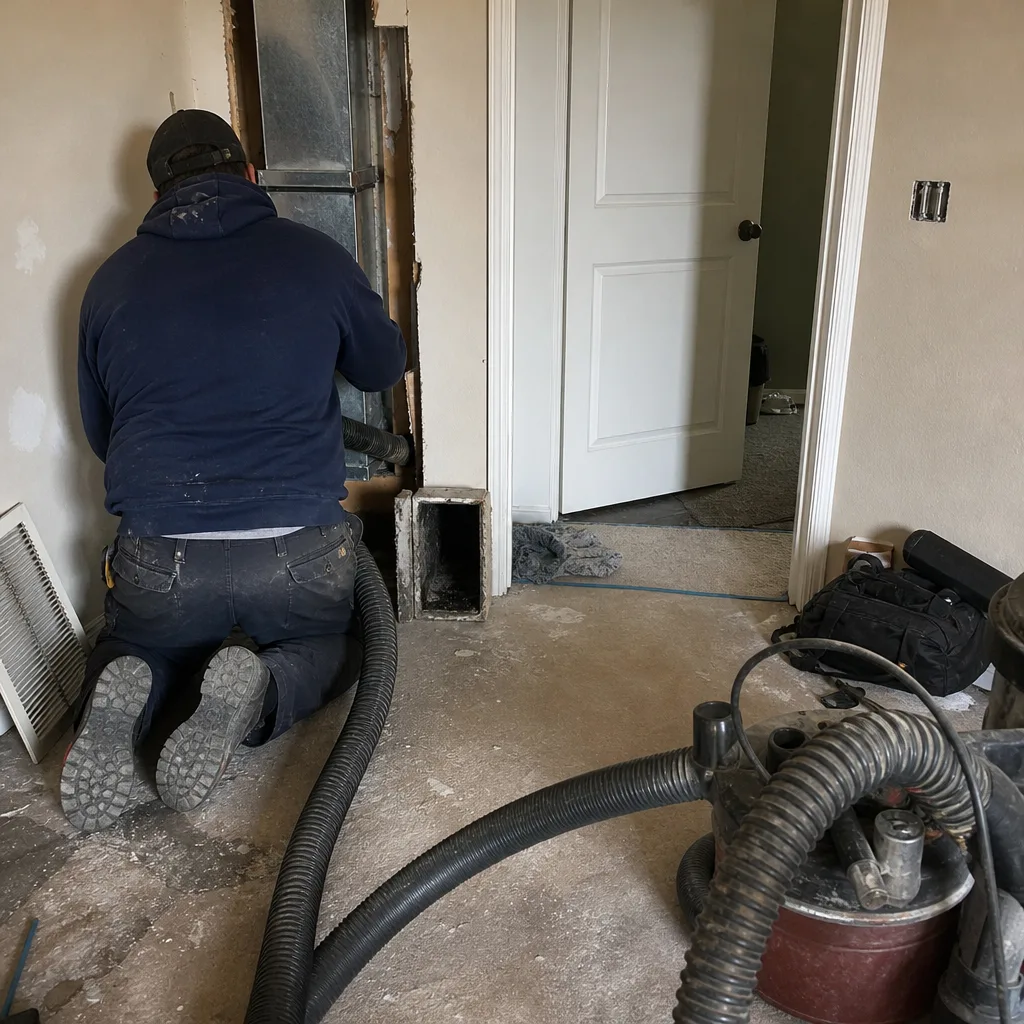 Before
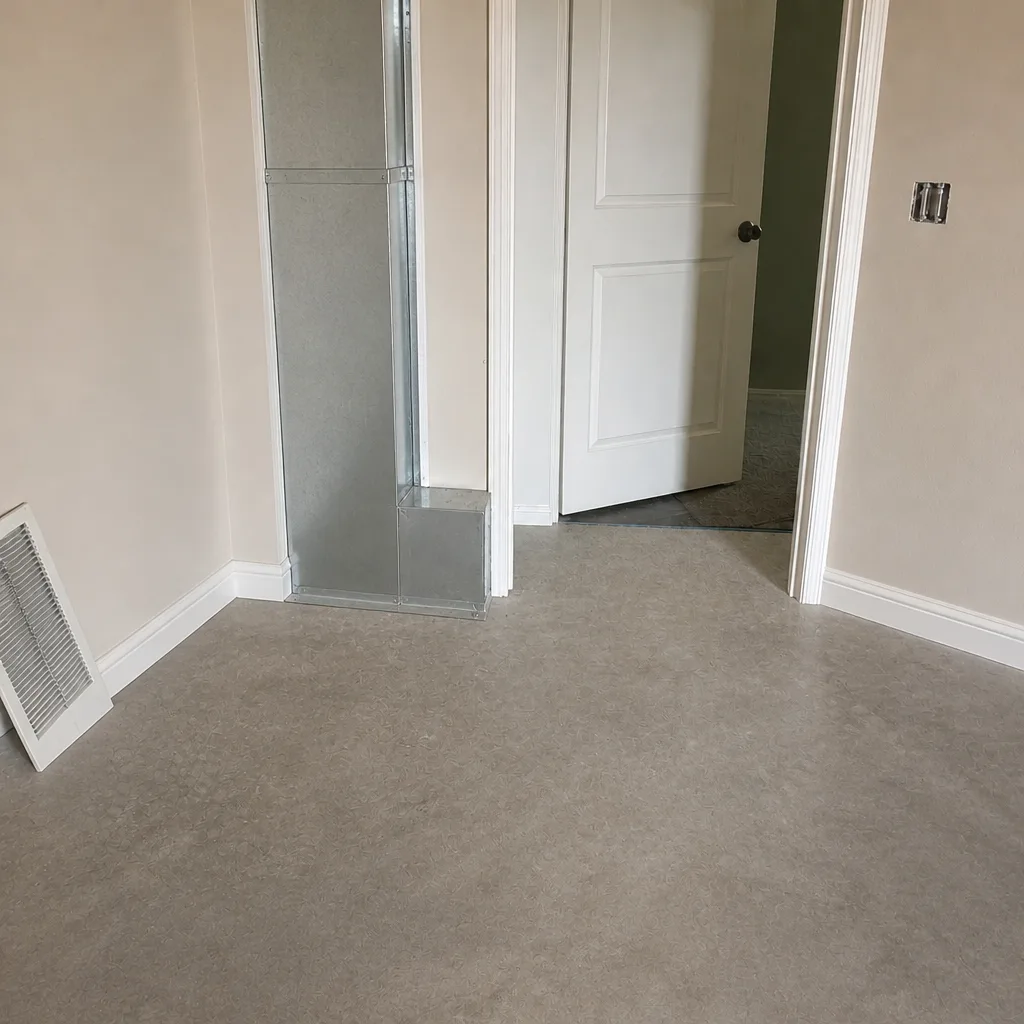 After
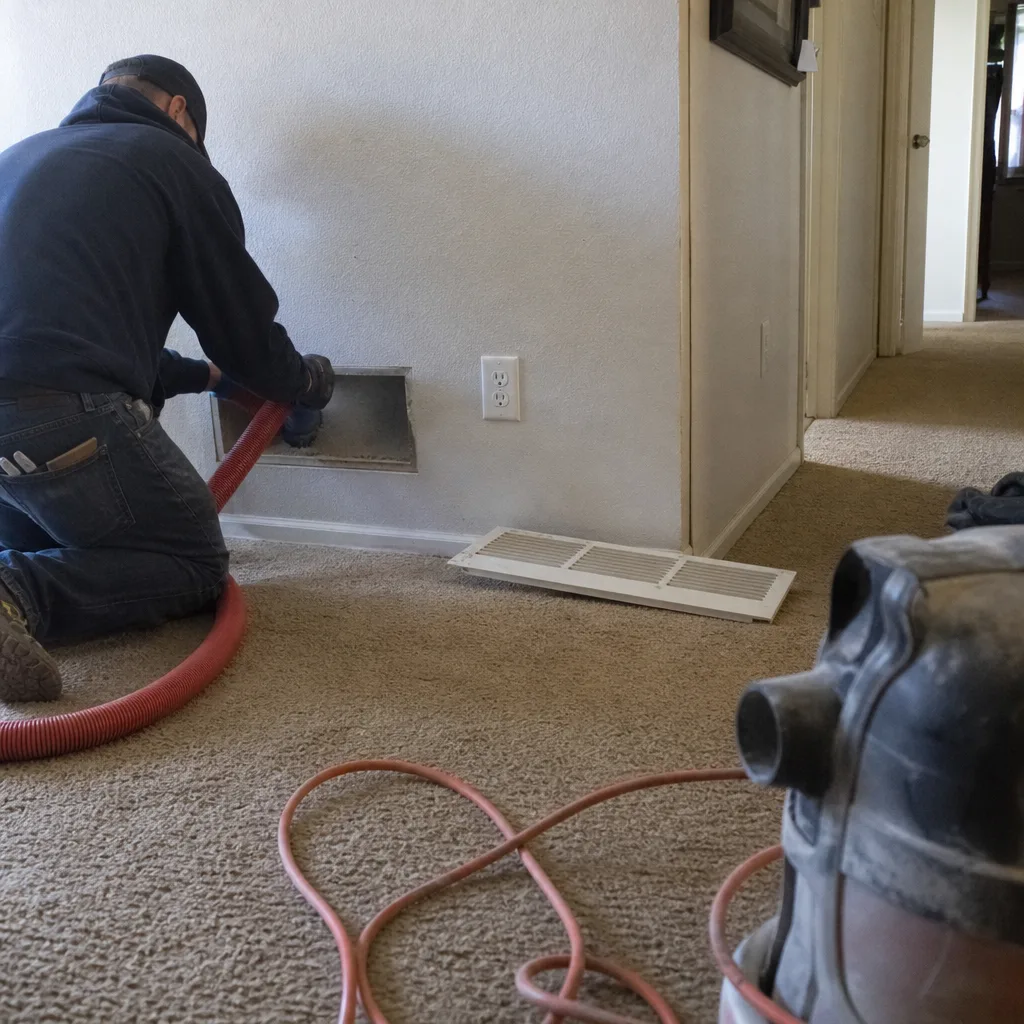 Before
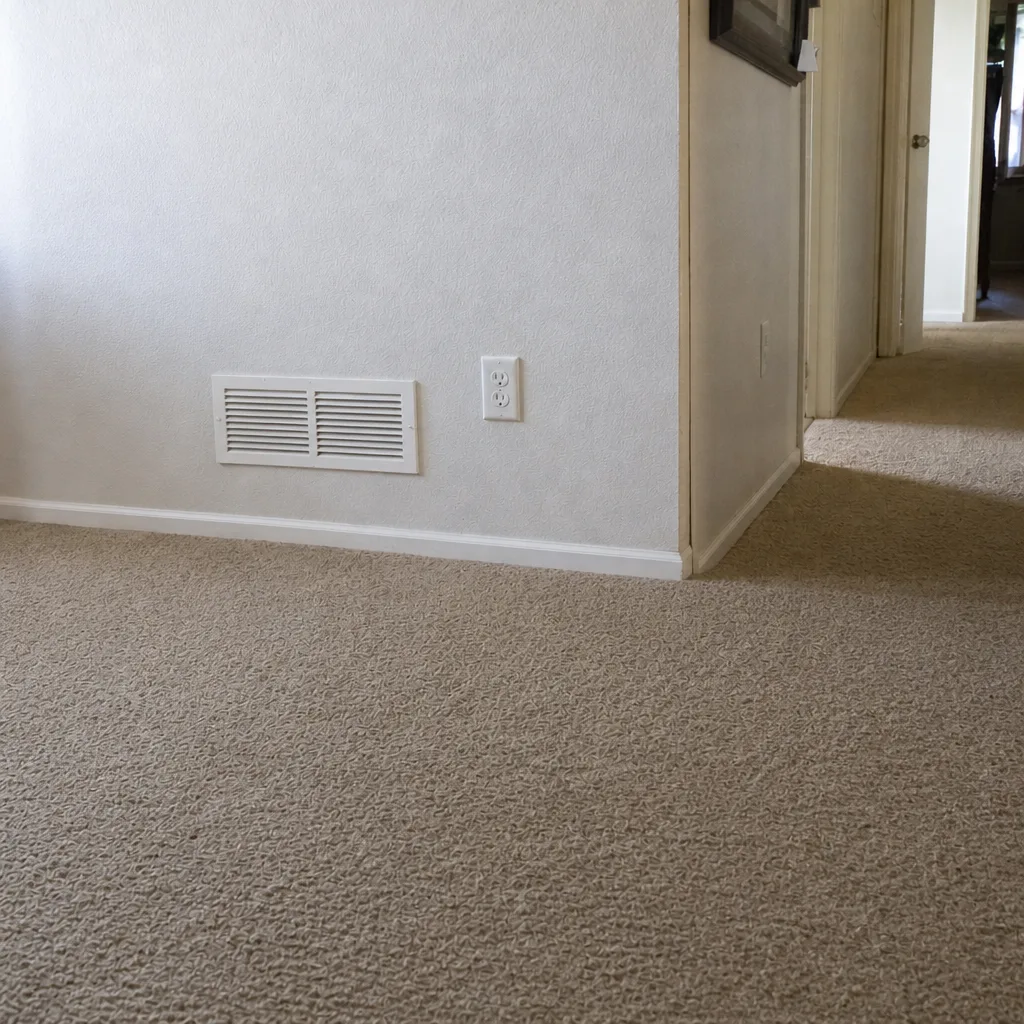 After
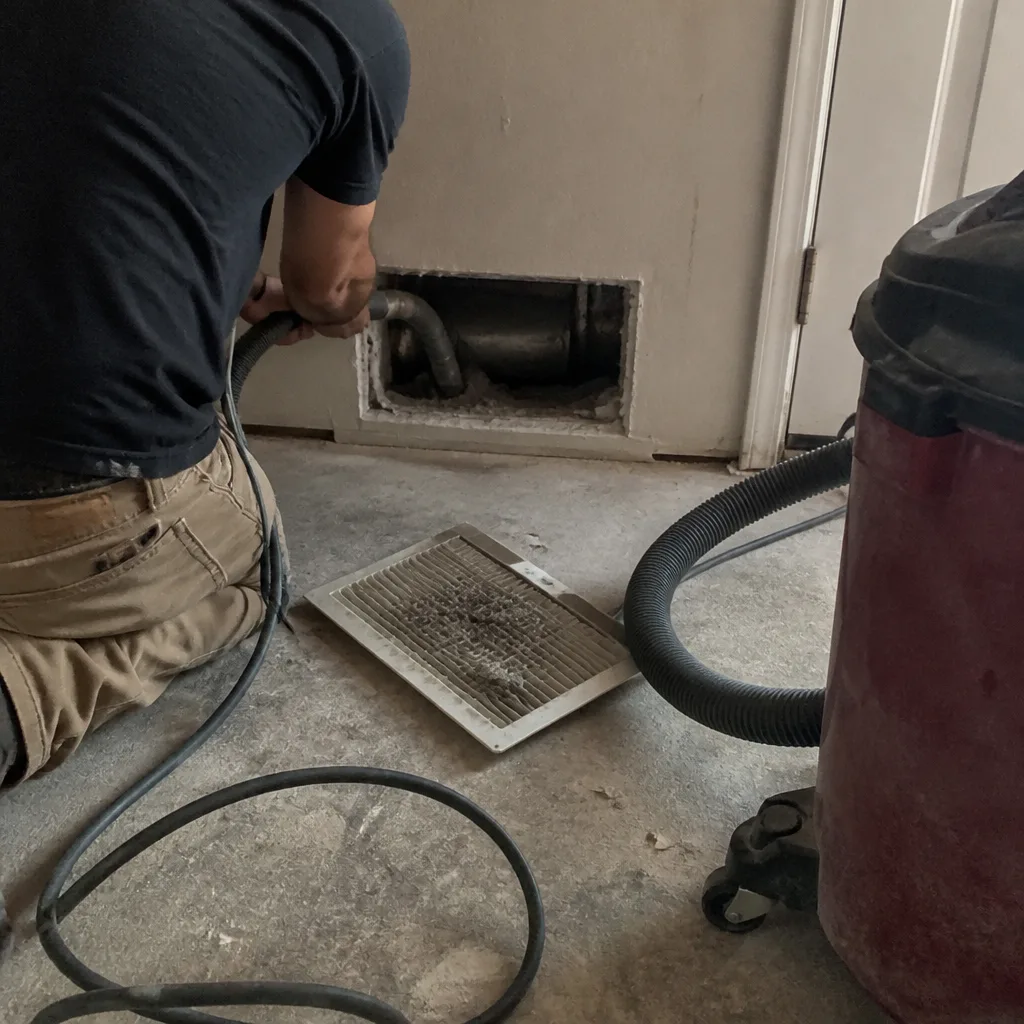 Before
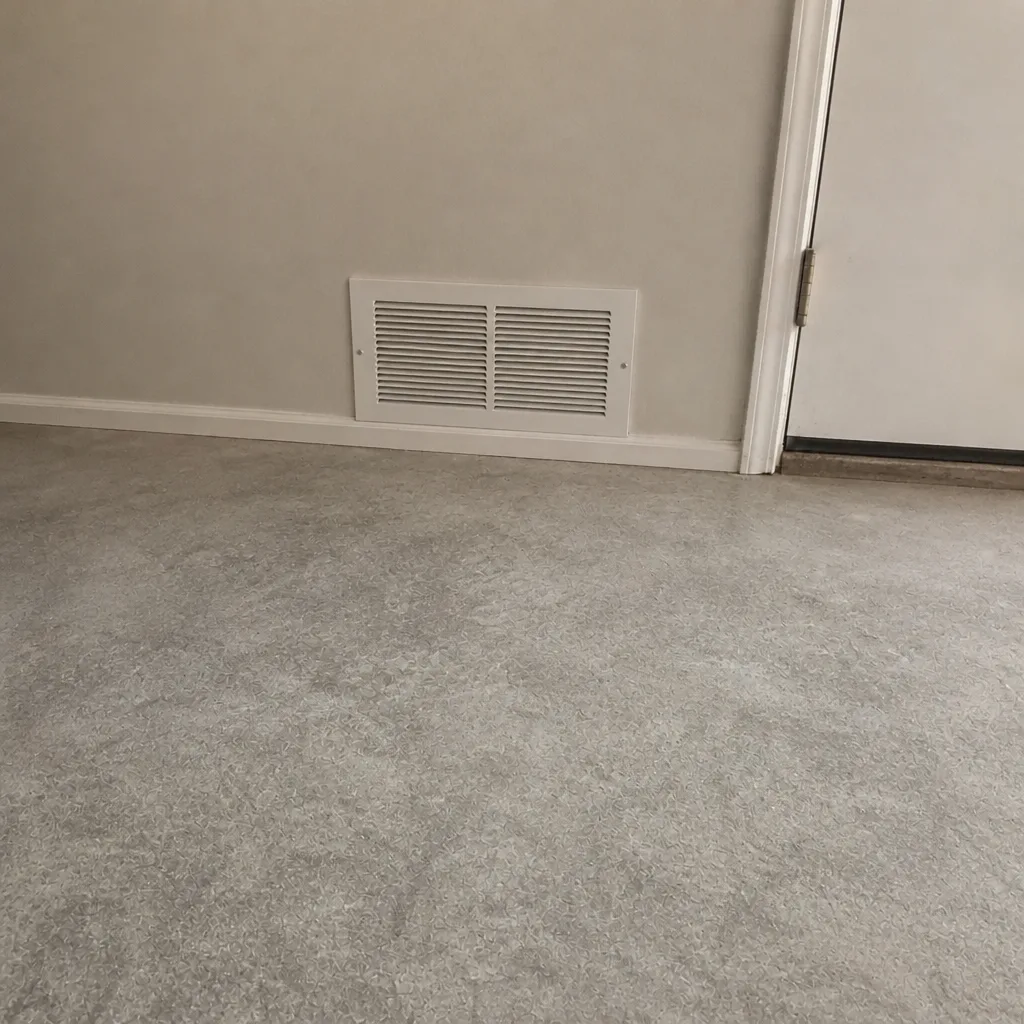 After
How a Professional Emergency Assessment Works
An emergency assessment is a camera inspection, a pressure check, and a plan. It is not a sales pitch, and any contractor who promises a fixed number over the phone without seeing the system is guessing.
- Walkthrough and photo documentation. The technician documents every register, the air handler, the filter condition, and any visible damage before equipment comes inside.
- Camera inspection into the trunk and main branches. This is where water pooling, smoke residue, and construction dust hide. Rigid metal, flexible, and duct board each look different inside.
- Airflow and pressure reading. Restricted airflow after an event often means the filter, the coil, or a collapsed flexible run is the culprit. This step isolates the cause.
- Source containment setup. An Abatement Technologies filtration unit is placed to capture dislodged contaminants during cleaning. This is the step most generalist companies skip.
- Cleaning and, where relevant, sanitizing. Professional-grade Rotobrush and Nikro systems work the full length of each run. Where smoke or biological contamination is present, Guardsman-grade sanitizing is applied to cleaned duct interiors.
- Post-clean verification. Before-and-after photos of the duct interior and the registers. This is how you know the work was done, rather than taking a technician’s word for it.
Technicians across Seven Hills who take on duct emergencies come with varying experience. Our technicians have up to 10 years of experience, and the approach is the same on every job: see what’s there, capture what comes loose, clean the full network, then verify with photos.
After the Event: Repair, Sealing, and Air Quality
Cleaning is rarely the last step after an emergency. Smoke and water both expose problems that were already there: loose joints, disconnected runs, sagging flexible duct, and gaps at the air handler connection.
Duct repair and sealing is the fix. Sealing the joints on a Seven Hills home after a smoke event matters because it stops future events from finding their way into the same gaps. After a water event, it’s essential, because the intrusion almost certainly came in through a gap the duct system never should have had.
Air quality work comes next. Honeywell and Aprilaire filtration and humidity control products give the system an ongoing ability to handle smoke season and summer humidity spikes. They don’t replace cleaning, and cleaning doesn’t replace them. And HVAC cleaning rounds out the picture: the air handler, coil, and blower can all carry residue from a smoke event or a water event, even after the ducts themselves are clean. For the full scope of that work, see our HVAC cleaning page.
Common Mistakes to Avoid
- Leaving the fan on during a smoke event. Running the system in fan-on mode pushes smoke through every branch of the network faster and deposits more than a filter can catch. Shut it down early.
- Restarting HVAC after water intrusion “to check.” This is the single most damaging mistake in Seven Hills homes with basement air handlers. Wet duct lining plus running system equals mold distributed to every room.
- Opening a return during renovation to cool the work zone. Contractors do this because the work zone is hot. It pulls the entire construction dust load into the system in minutes.
- Relying on a filter change alone after a smoke event. Filters catch what passes through them. They don’t clean what already settled on duct walls, insulation, and the blower wheel.
- Hiring a generalist with consumer-grade equipment. A shop vac connected to a register cannot clear a smoke deposit from a 30-foot flexible run. Professional systems exist for a reason.
- Skipping photos before the event. Without a documented “before,” it’s hard to prove what the smoke or water actually did when you file a claim.
- Assuming a dryer vent problem is “just lint.” A blocked dryer vent is a fire risk, and it gets worse fast after a busy household stretch. Treat a sluggish dryer as an emergency, not a nuisance.
When to Call a Professional
Call a professional duct specialist when any of these apply: the smoke event lasted more than a day or the system ran during it; the ductwork got wet and stayed wet for more than a few hours; a renovation contaminated the system through an open return; the smoke smell lingers in more than one room after windows have aired out; or you notice reduced airflow, musty odor, or visible dust at the registers after any of the above.
Air Duct Cleaning Seven Hills offers free estimates in Seven Hills. Call (855) 729-0413 and describe what happened. We answer 24/7. Fast dispatch from 7am to 7pm, Sunday through Friday. We’re closed on Saturday. We’ll tell you whether the system needs to stay shut down, whether the work is urgent, and what the assessment will cover.
Frequently Asked Questions
Smoke can move through a home’s full duct network in under two hours when the HVAC system is running in fan-on mode during a heavy smoke event. That’s the reason to shut the system down as soon as outdoor smoke is heavy and the interior smell is strong.
You can handle filters, register covers, and dry vacuuming of surfaces you can reach. You cannot reach the duct interior or dislodge deposits on the blower wheel and interior insulation with a household vacuum. For anything beyond a brief event, call (855) 729-0413 for the estimated cost of professional cleaning.
Mold can begin colonizing wet duct lining and insulation within 24 to 48 hours under warm conditions. That’s why the rule is straightforward: shut the system down, dry the surrounding area, and do not restart until a professional has checked the duct interior. Call (855) 729-0413 for an assessment.
It depends on the event and your policy. Water intrusion from a plumbing failure or storm is typically covered; routine maintenance cleaning is not. Document the event thoroughly with photos and call your insurer before cleanup if the event was a covered loss. Call (855) 729-0413 for a written estimate you can share with your adjuster.
Every two to three years is a reasonable baseline for most homes. Shorten that window after any of the three emergencies above, after a renovation, or if you notice reduced airflow or a musty smell. Call (855) 729-0413 and we can tell you whether your system falls inside or outside that window.
Spare filters in the correct size, sealed plastic bags for removed filters, plastic sheeting and tape or proper register covers, photos of clean registers from before the season, and a written log of your last three filter change dates. The call to a professional duct specialist should be a saved number, not a scramble to find one.
The Bottom Line
Duct emergencies in Seven Hills run on three clocks: hours for wildfire smoke, roughly 48 hours for water, and the length of a renovation for construction dust. Knowing which clock is running tells you what to do first. Shut the system down, protect the filter and registers, document the event, and only restart after a professional has looked inside the ductwork. The five facts to give on the first call make the difference between a scoped job and a guess. And the pre-event preparation – spare filters, register covers, a documented system map – is cheap and takes an afternoon. Write down our number and use it early. Call (855) 729-0413 for a free estimate. We answer 24/7, with fast dispatch from 7am to 7pm, Sunday through Friday.
Written by the team at Air Duct Cleaning Seven Hills.