
Last updated November 24, 2026
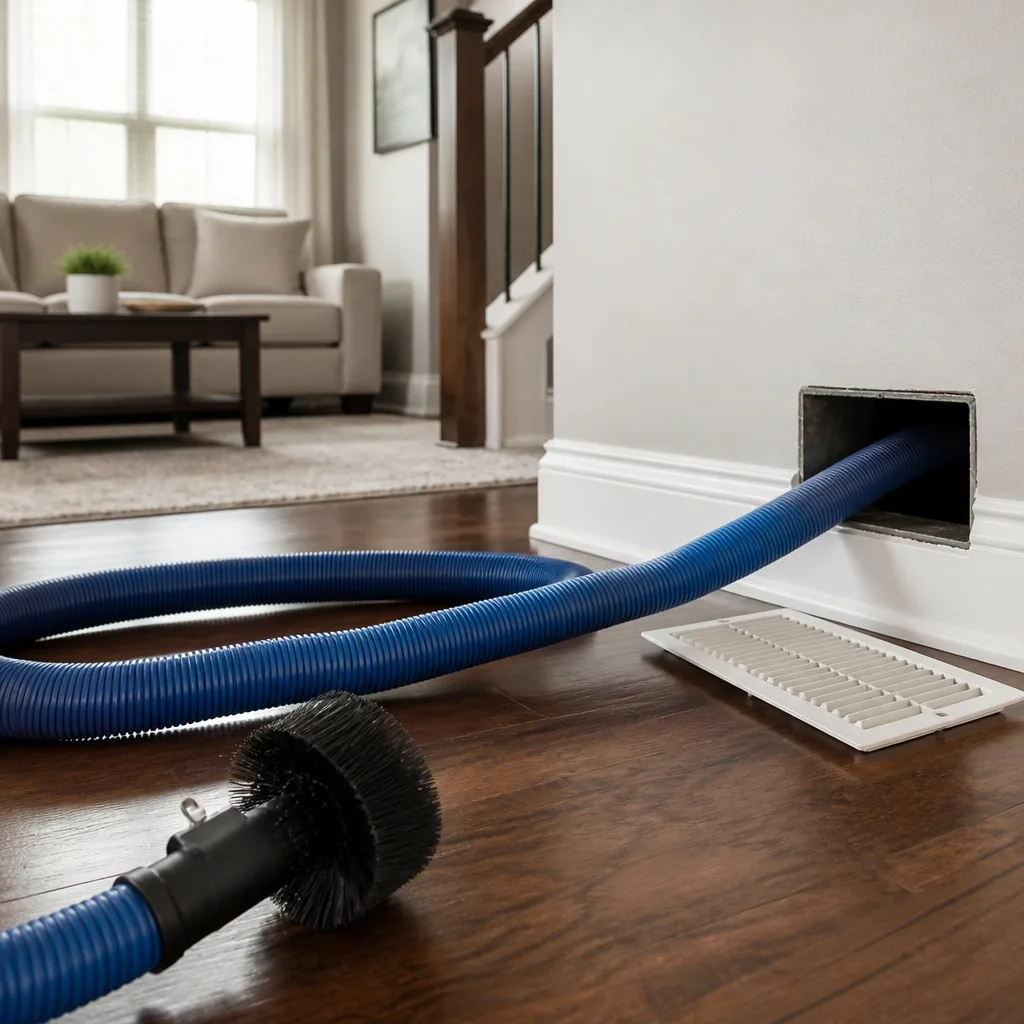 Whole-home duct cleaning
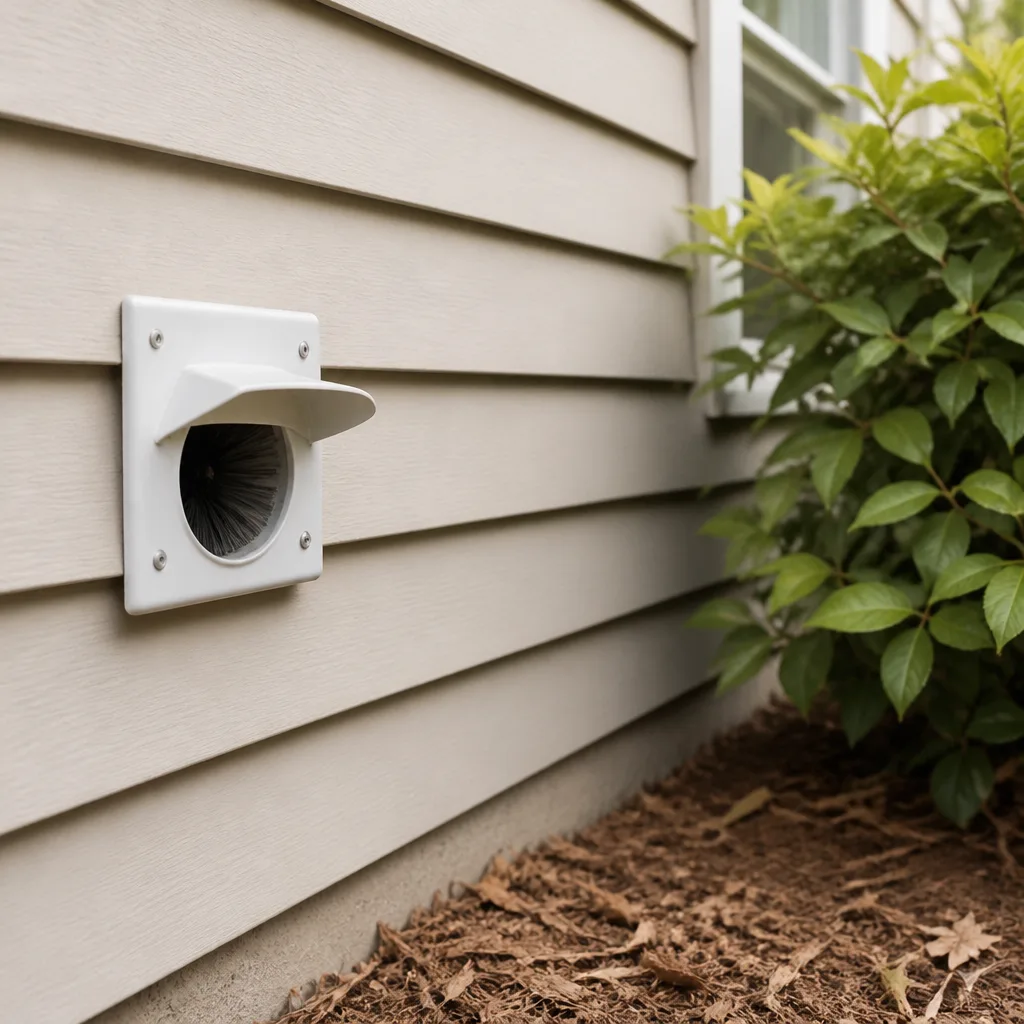 Dryer vent cleaning
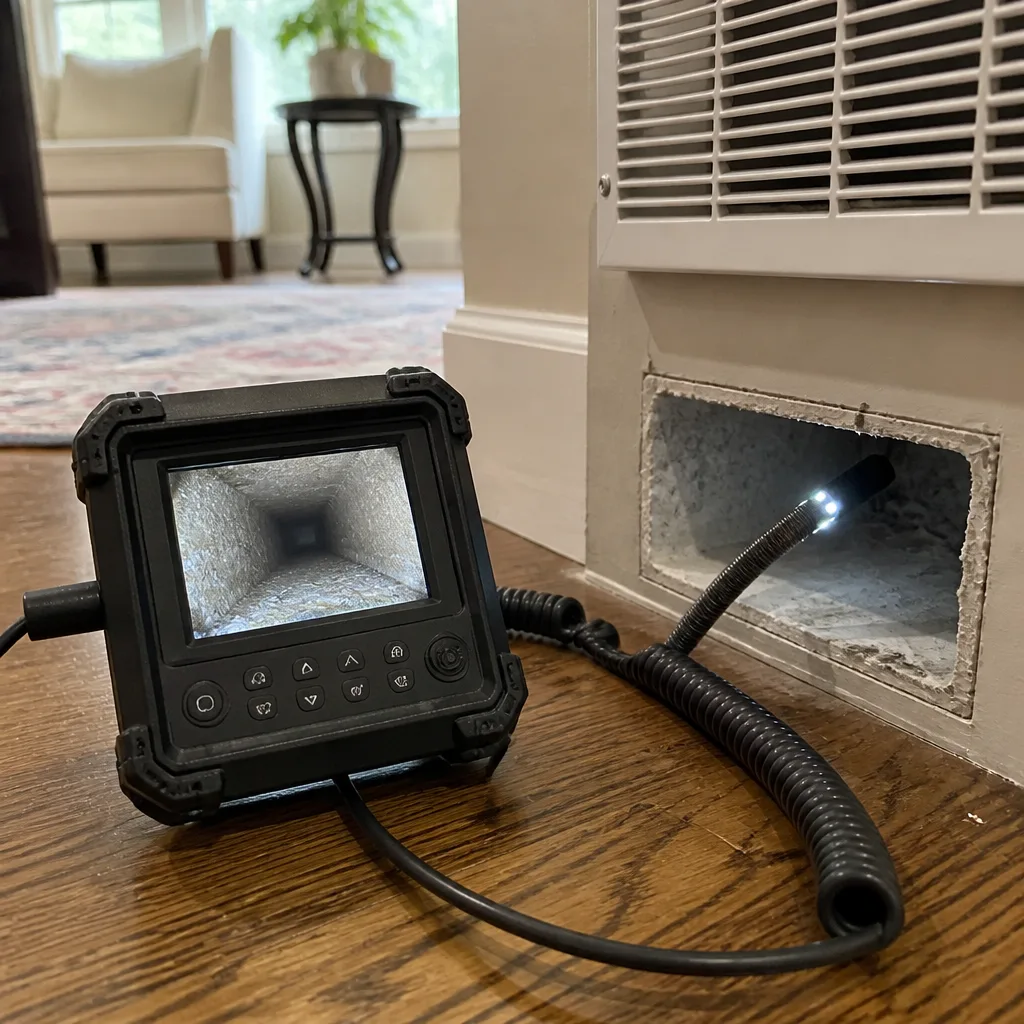 Camera inspection
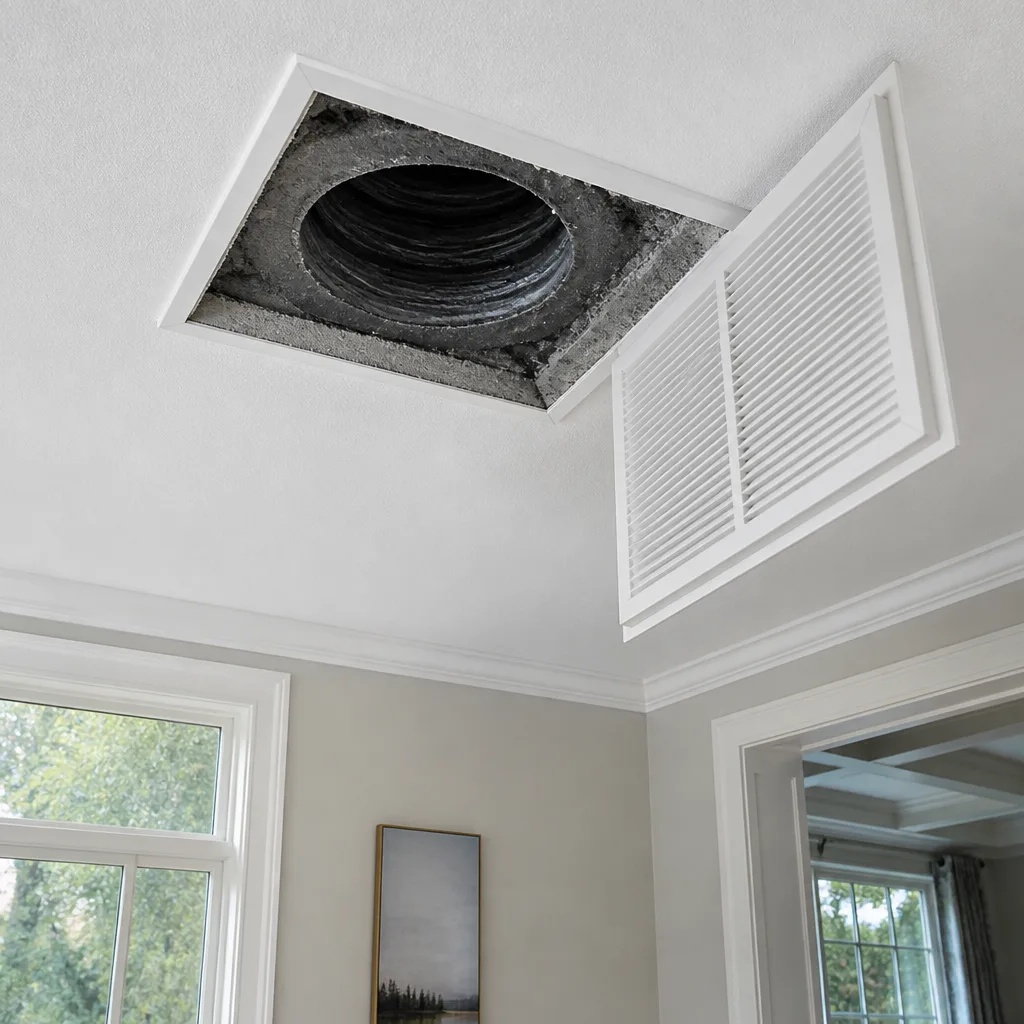 Sanitizing & deodorizing
Whole-system duct and dryer vent check with before-and-after photos - you see exactly what came out of your vents
That "$99 whole-house special" is a bait ad - the real number appears once they are in your hallway, or the "clean" is a shop-vac at the register. We photograph the inside of your ducts before and after instead.
Air Duct Cleaning Cost Breakdown: The Seven Hills Homeowner’s Reference for 2026
A whole-house duct cleaning quote of $149 is mathematically impossible if the job takes three to four hours with two technicians and professional equipment. Do that arithmetic yourself and it doesn’t hold. So when a Seven Hills homeowner sees a number that low, something in the quote isn’t what it appears to be – usually it’s a partial service, a paid inspection dressed as a cleaning, or a job that touches the registers and stops. This breakdown shows what actually sits inside a legitimate price: equipment, labor time, what’s included, and what gets billed separately later. You’ll finish knowing how to read any quote on its own terms.
Quick Answer
Air duct cleaning in Seven Hills typically runs $350 to $700 for a standard whole-house system, with larger or heavily contaminated homes reaching $900 or more. The $99 to $149 specials you see advertised rarely cover the same work – they usually omit trunk lines, filtration equipment, or documentation. The equipment used, the labor hours the job genuinely requires, and what’s included versus billed later explain almost every price gap you’ll find.
Styles & brands we work with
- Whole-home duct cleaning
- Dryer vent cleaning
- Camera inspection
- Sanitizing & deodorizing
Table of Contents
- What a thorough clean actually takes in labor time
- What drives legitimate price variation
- Legitimate line items vs. upsells to scrutinize
- How to compare quotes structured differently
- What photos and written documentation are worth
- Seven Hills specifics: housing, dust, and seasonal load
- Common mistakes to avoid
- Frequently asked questions
What Does a Thorough Duct Cleaning Actually Take in Labor Time?
A thorough whole-house clean takes three to four hours on a typical Seven Hills home with two technicians working. That’s the honest clock for a full job: registers, trunk lines, drop boots, equipment setup and teardown, and a final documentation pass. Any quote implying a full clean in under an hour is describing a different service.
Here’s how the hours add up:
- Setup (20-40 minutes). Positioning the vacuum, running hose lines, and sealing the system so the entire duct network pulls under negative pressure. With an Abatement Technologies air filtration system on site, the filtration gets staged before a single register comes off.
- Return and supply registers (45-75 minutes). Each register is removed, cleaned by hand, and cleaned again with a powered brush. A typical Seven Hills house with two stories and 12 to 18 registers sets the low and high end of that range.
- Trunk line and main plenum cleaning (45-90 minutes). Powered brushing through the main trunk, then contact vacuuming behind the brush head. This is the part cheap quotes skip entirely – it’s the hardest, dirtiest, most time-consuming stage.
- Branch lines and boots (30-60 minutes). Rotobrush or Nikro line work runs the length of each branch back to the trunk, with articulation through turns and transitions.
- Containment and verification (20-30 minutes). Final equipment check, register reinstalls, photo documentation, and equipment breakdown.
Two technicians at three-plus hours on a Seven Hills property is real labor. That’s why a $149 price tag and a legitimate clean can’t both be true.
What Drives Legitimate Price Variation in Seven Hills?
Home size is the biggest factor, and in Seven Hills that covers real range: compact mid-century ranch homes with single systems, two-story houses with a system per floor, and homes with finished basements that add registers and trunk runs. Register count alone can double a job.
Duct material type is the second driver, and it’s often overlooked. Flexible duct runs clean quickly but has more surface area and more ridges where dust collects. Sheet metal is durable but shows every buildup. Duct board – the rigid internal insulation used in some older construction – is the most demanding to clean because the surface can’t tolerate aggressive brushing and the work must be done with precision. Duct board homes in Seven Hills command higher prices because they take longer, and because a technician who rushes the work risks damaging the duct.
System age and access matter too. Older systems with metal returns routed through crawlspaces or walls add inspection time and limit brush articulation. Systems with a prior renovation cycle – especially where drywall dust was pulled into the return – need more passes.
Degree of contamination is the last piece. A lightly used Seven Hills home that changes filters monthly may need a lighter job. A home with pets, recent remodeling, or years of neglect needs a heavier one. Between homes of the same square footage, we’ve seen price differences of $200 to $300 driven purely by what the ducts contain.
Because we don’t own trucks or ship a crew from another city, the local professional we connect you with is licensed and insured as their state requires – and their work reflects that on the invoice.
Which Line Items Are Legitimate and Which Are Upsells?
Some add-ons genuinely belong in a duct cleaning cost. Others pad the bill without doing anything for your air. Here’s the split.
Legitimate additions:
- Dryer vent cleaning. A real service that reduces fire risk and often gets missed in duct-only quotes. Pricing is separate and typically modest because it’s a discrete job. We treat it as part of dryer vent cleaning and recommend it alongside duct work for homes where lint buildup is a concern.
- HVAC coil cleaning. The evaporator coil sits directly below duct openings and collects dust by default. Cleaning it alongside the ducts is legitimate – skipping it means cleaning the space above a dirty filter. Pairing it with HVAC cleaning is standard for a full system.
- Guardsman-grade sanitizing treatments. Applied to cleaned interiors, legitimate when ducts show biological growth, musty odor, or a prior moisture event. Sold as a default add-on without inspection, it’s less defensible.
- Duct repair and sealing. Cleaning often exposes gaps at joints and boots. A specialist who offers repair and sealing stands behind what the cleaning reveals instead of sending you to another contractor.
Upsells to scrutinize:
- UV light system sales pitched as part of a duct cleaning – UV works on surfaces, not duct air, and belongs in a separate conversation about air quality.
- Sanitizer sold without inspection evidence of odor or growth.
- Any add-on that pushes the quote 60% above the base cleaning price before the technician has opened a single register.
Honeywell and Aprilaire filtration and humidity products are worth considering after cleaning, but as a considered upgrade, not a line buried in a duct cleaning invoice.
How Do You Compare Quotes Structured Differently?
Per-vent, flat rate, and hourly quotes can’t be compared head to head without converting them first. Do that conversion or you’re comparing numbers that mean different things.
Here’s how to bring them onto a common basis:
- Ask for the register count. A per-vent quote of $25 across 16 registers is $400. A flat quote of $400 for the same system with 16 registers is the same number – but the flat quote usually includes the trunk, and the per-vent quote may not. Get the trunk in writing.
- Confirm trunk and branch coverage. Some per-vent pricing covers supply registers only. Return side, main trunk, and branch lines cost more. Ask specifically.
- Confirm equipment. Ask the equipment brand. Rotobrush, Nikro, and Abatement Technologies are used by remediation professionals; a shop vac and a hose is not the same job. The equipment determines what the labor actually achieves.
- Confirm documentation. Photos before and after, per-register, with a written summary. That’s the only evidence the work happened. Quotes without it are cheaper for a reason.
- Confirm what’s billed later. Fixed price before work begins, or hourly with a signed cap. Any quote that can grow after the technician arrives isn’t a quote, it’s an estimate with an asterisk.
For homeowners in Seven Hills, the simplest rule is to ask every contractor for a single flat price per system, agreed before work starts, with a register count and trunk coverage stated. Then the comparison is apples to apples.
What Are Before-and-After Photos and Written Documentation Worth?
Documentation is where cheap quotes lose the argument. A $99 clean with no photos and no register-by-register record is a claim, not a receipt. Photos before and after, register by register, tell you exactly what was pulled out and what’s left behind.
That matters on several fronts. If the ducts look clean after the job, you should expect them to stay clean through the next filter cycle – not be dirty again in a week. If you have allergies or a child with asthma, photo documentation is the only objective answer to the question “did the cleaning help?” And if you’re selling a Seven Hills home, photographic records of duct cleaning support the maintenance record – a small but real item on a future buyer’s inspection.
Written documentation also functions as a labor check. A contractor who documents register count and trunk access has done those steps. A contractor who shows up with a shop vac and a smile hasn’t, and won’t produce documentation because there’s nothing to document.
Before-and-after photos are not the only cost of documentation. Pulling per-register photos, storing them, and issuing a written summary takes real time at the end of a job. That’s a line in the labor budget of every honest quote, and it’s missing from every $99 one.
What’s Specific to Seven Hills That Affects Cost?
Seven Hills sits at the base of the foothills west of Denver, and the housing stock and seasonal load here shape duct cleaning costs in ways generic national pricing doesn’t capture. The dry Front Range air means static dust settles everywhere, including into returns that sit idle half the year. Furnaces run hard through cold months, then sit unused through summer – and ductwork that cycles between active and idle collects dust at an uneven rate, with more accumulated in the return side of the system.
Seven Hills has a mix of mid-century and later construction. Mid-century homes often have original sheet metal ductwork with fewer branch runs, which cleans faster. Homes built or renovated in later decades are more likely to have flexible duct and drop boots, which takes longer. Finished basements common to the area add a register zone and trunk run that pushes the job toward the higher end of the $350 to $700 range.
Then there’s the seasonal dust cycle. Spring pollen, summer wildfire smoke when it reaches the Front Range, and fall leaf dust all load the system. A Seven Hills home that gets cleaned once is often noticeably overdue by the second winter. That’s a reason to know the honest cost now, not a reason to be sold something you don’t need.
Air quality upgrades – filtration and humidity control – have real relevance here too. Honeywell and Aprilaire products address a genuine Front Range problem: dry air in winter and airborne particulate in summer. Those are conversations worth having after a cleaning, not line items snuck into one.
Common Mistakes to Avoid
- Treating the lowest quote as the true cost. The $99 or $149 price is a door price. Compare the full written scope – registers, trunk, branches, equipment, photos – before you decide which number is actually lower.
- Not asking about equipment. A quote that doesn’t state equipment brand is usually hiding a consumer-grade machine. Ask for Rotobrush, Nikro, or Abatement Technologies or a similar professional system, and ask why.
- Assuming a per-vent quote includes the trunk. Many don’t. The trunk and main plenum are the hardest, dirtiest part of the job, and they’re often the first thing a cheap service skips. Ask explicitly.
- Skipping dryer vent cleaning to save a small line item. Dryer vent lint is a genuine fire load, and it doesn’t appear in duct cleaning by default. If your quote doesn’t mention it, ask whether it’s covered.
- Accepting duct cleaning without photos. A whole-house clean with no before-and-after documentation is impossible to evaluate. Ask for register-by-register photos and a written summary before work begins, not after.
- Buying UV systems or sanitizer as impulse add-ons. Sanitizer belongs after inspection evidence of odor or growth, not before. UV works on surfaces and belongs in a separate air quality conversation.
- Ignoring the seasonal Front Range dust load. A Seven Hills home with pets, allergy sufferers, or recent renovation needs cleaning more often than a two-person house with no pets. Ask what interval actually applies to your home, not what a coupon implies.
See the difference
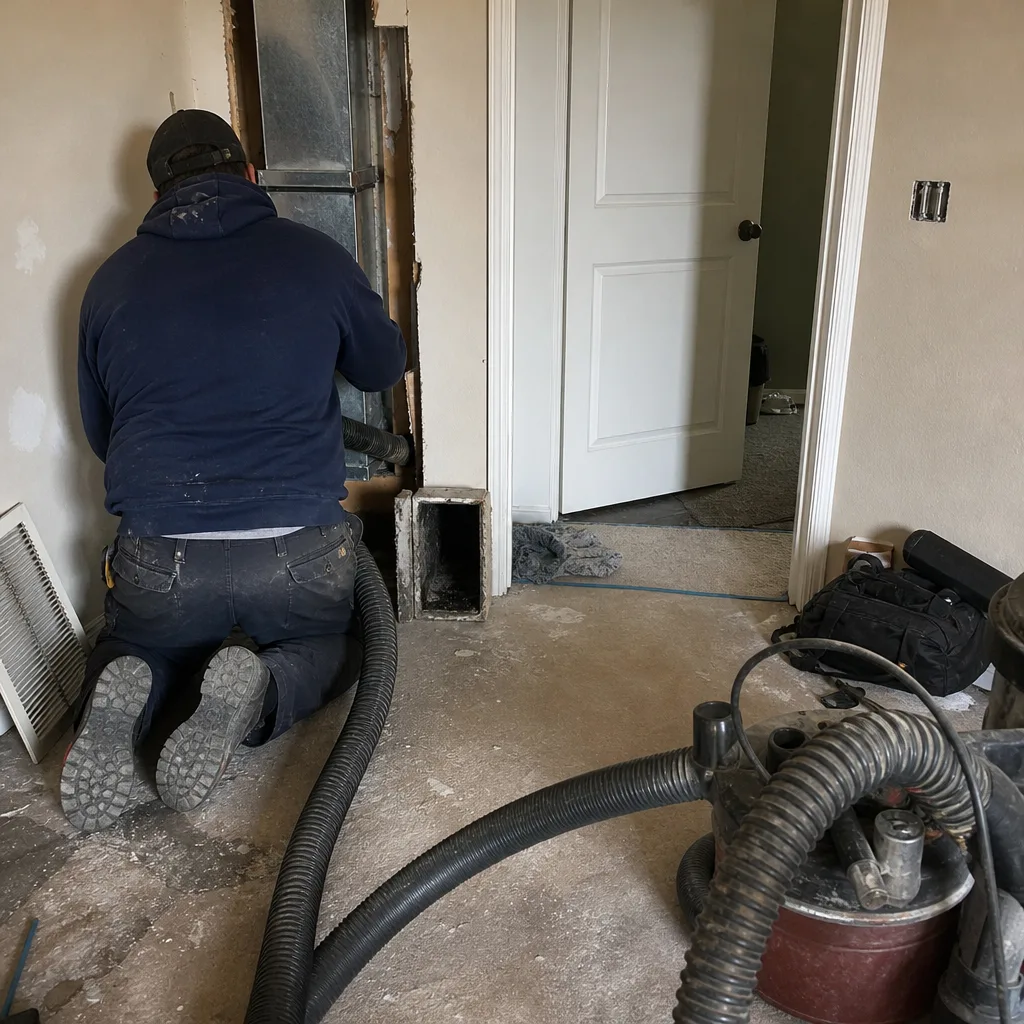 Before
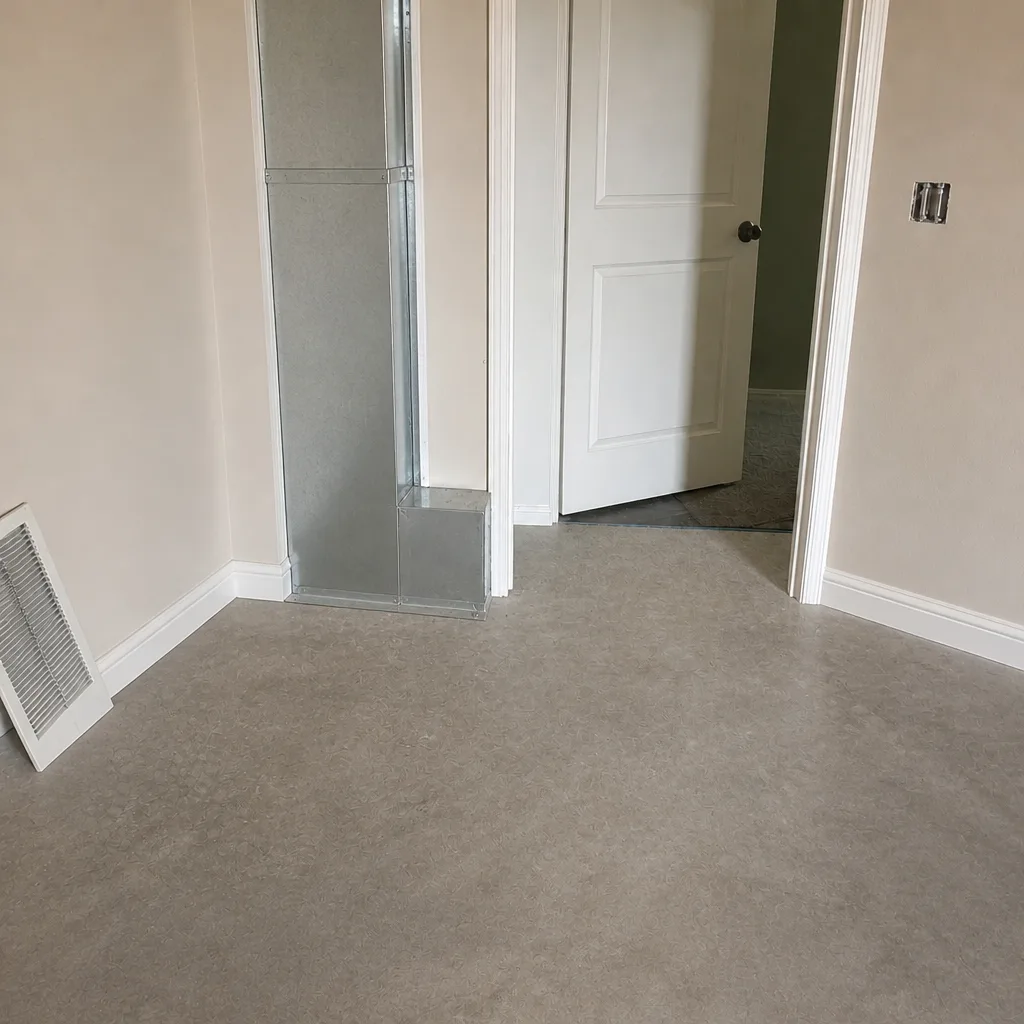 After
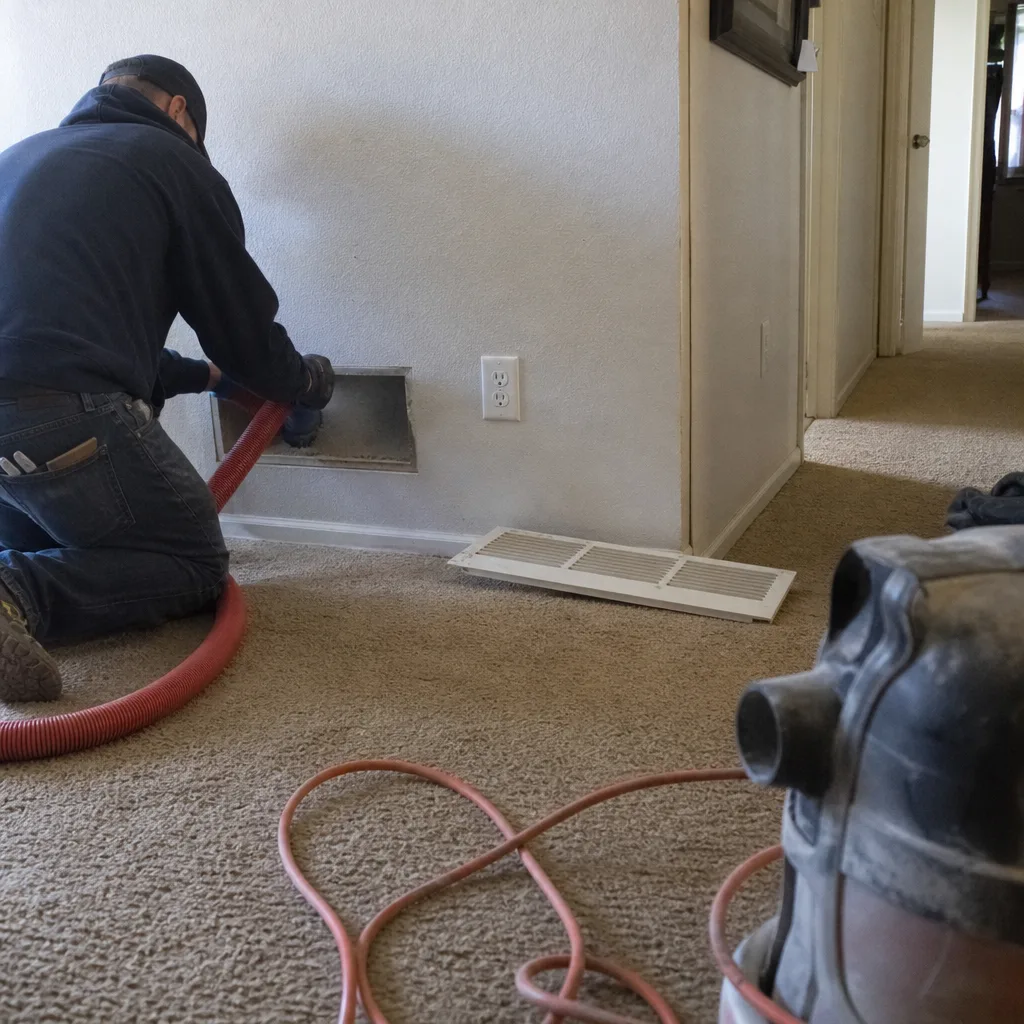 Before
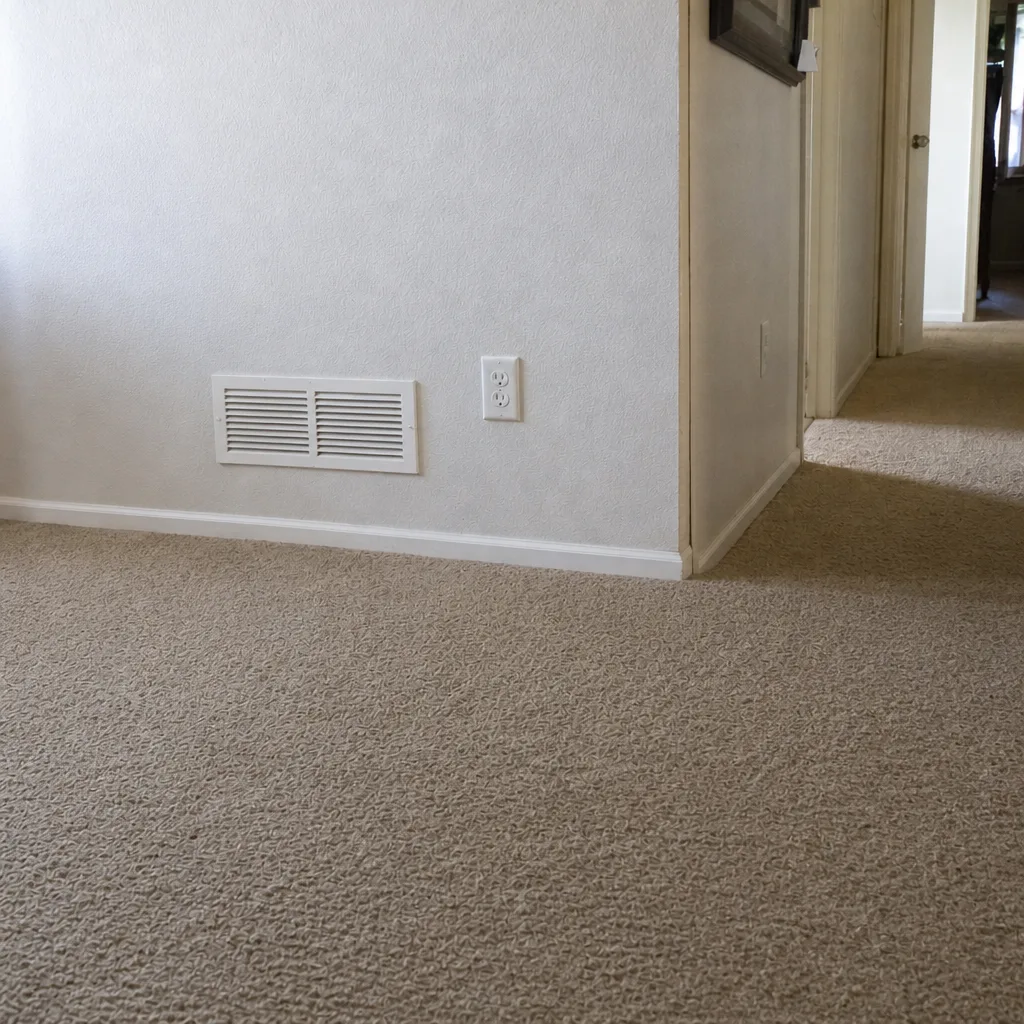 After
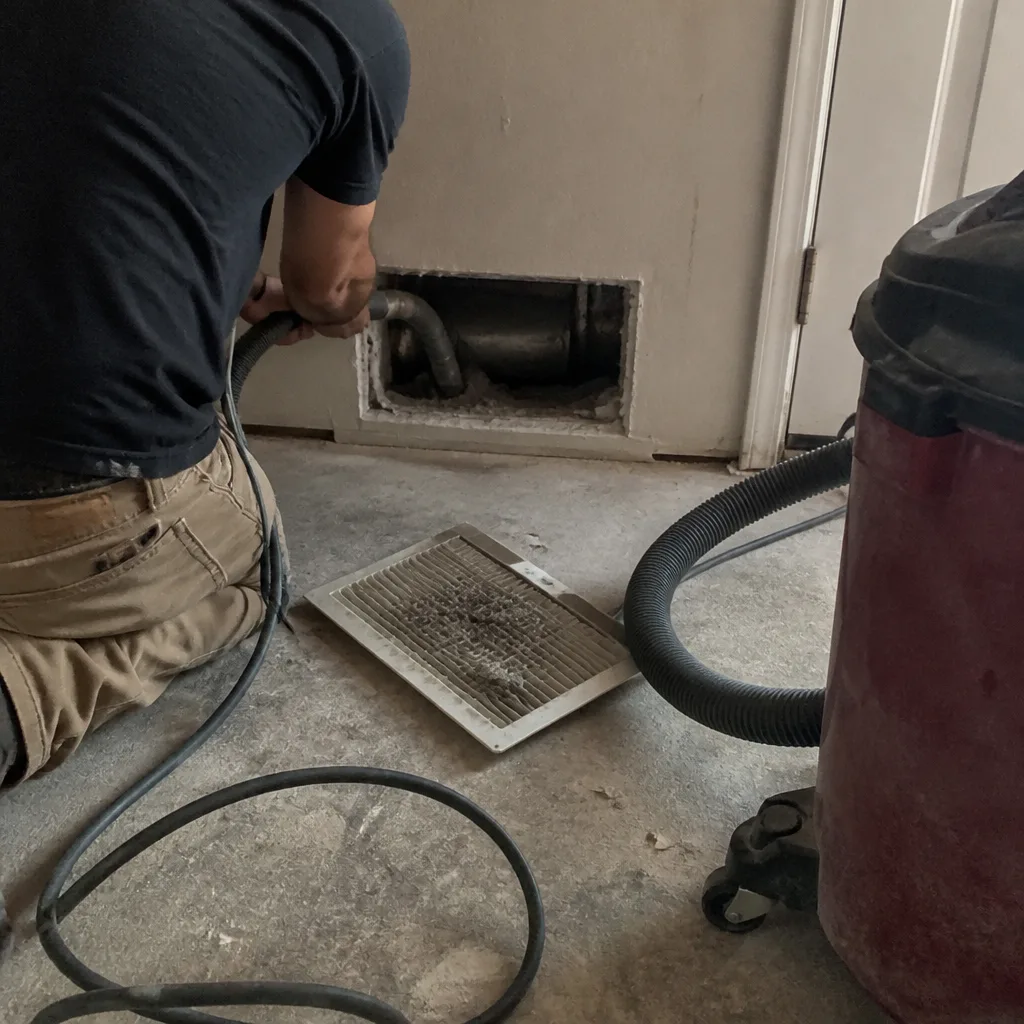 Before
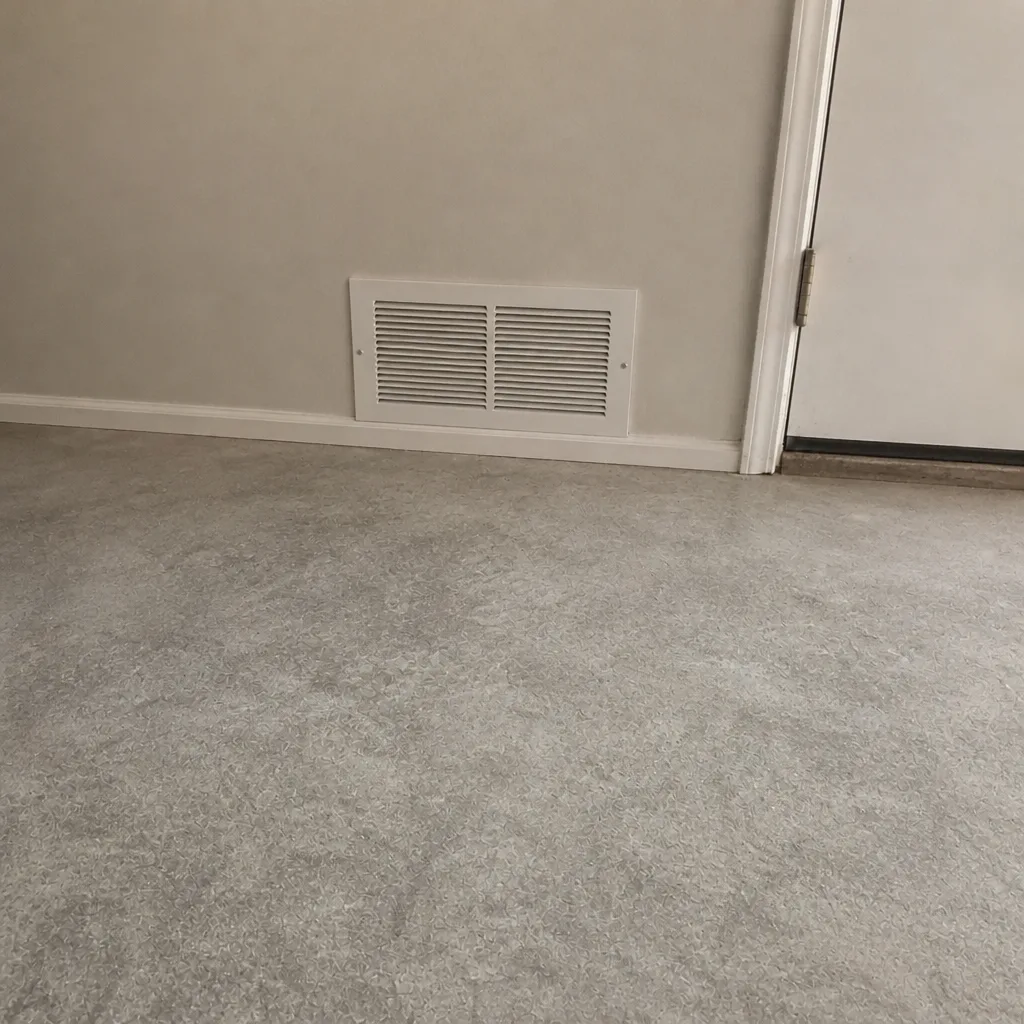 After
When to Call a Professional
Call a professional when the visible signs show up: dust accumulating on registers faster than usual, a musty smell when the furnace or AC kicks on, or rooms that feel less ventilated than they used to. Call after any renovation that generated drywall dust, since fine dust gets pulled into returns and settles deep in the trunk. Call if anyone in the household has allergies, asthma, or chronic sinus trouble, since duct cleaning removes what’s triggering those systems. And call if you’ve never had a whole-house duct cleaning and the home is more than a decade old. The duct and air quality specialist who works on your system should be able to work with your insurer where relevant, and every quote should be a single flat price per system, agreed before work begins. Air Duct Cleaning Seven Hills offers free estimates in Seven Hills – call (855) 729-0413.
Frequently Asked Questions
Air duct cleaning in Seven Hills typically runs $350 to $700 for a standard whole-house system, with larger, finished-basement, or heavily contaminated homes reaching $900 or more. Dryer vent cleaning, coil cleaning, and sanitizing are usually priced separately. Call (855) 729-0413 for an exact quote – estimates are free.
Because they’re not the same job. A $99 or $149 quote usually skips the trunk and main plenum, uses consumer-grade equipment instead of professional systems, and provides no photo documentation. The low number is a door price, and the real cost appears once the technician is on site. Ask every quote to state equipment brand, register count, and trunk coverage before you compare prices.
Three to four hours on a typical Seven Hills home with two technicians working. That’s full register removal, trunk and branch cleaning, equipment setup, containment, and documentation. Any service offering a whole-house clean in under an hour is describing a partial job.
Dryer vent cleaning is a separate service and usually priced as its own line item, but it should always be offered. Lint buildup in a dryer vent is a leading cause of house fires, and it’s easy to miss when duct work is the focus. Ask whether it’s covered before work begins.
Before-and-after photos, register by register, plus a written summary documenting what was cleaned. Ask for both before work starts. A contractor who can’t provide documentation after the job hasn’t done the work worth paying for. We document every job.
Every three to five years for most homes, more often if there are pets, allergy sufferers, or recent renovation. The dry Front Range air and seasonal dust load mean a Seven Hills home can noticeably fall behind by the second winter without cleaning. Call (855) 729-0413 to schedule a free estimate – we’ll tell you honestly whether you’re due.
The Bottom Line
The price difference between a $149 quote and a $700 one isn’t profit margin. It’s equipment, labor time, trunk and branch coverage, and documentation. Once you know the labor a thorough job actually takes on a Seven Hills home – three to four hours with two technicians and professional equipment – the arithmetic becomes obvious, and any quote you read afterward tells you what it includes. We use Rotobrush, Nikro, and Abatement Technologies on every job, and every estimate is free. Call (855) 729-0413. We answer 24/7. Fast dispatch from 7am to 7pm, Sunday through Friday. If you’re not ready to call, start with the Air Duct Cleaning Seven Hills overview and the full air duct cleaning service page.
Written by the team at Air Duct Cleaning Seven Hills.