
Last updated November 24, 2026
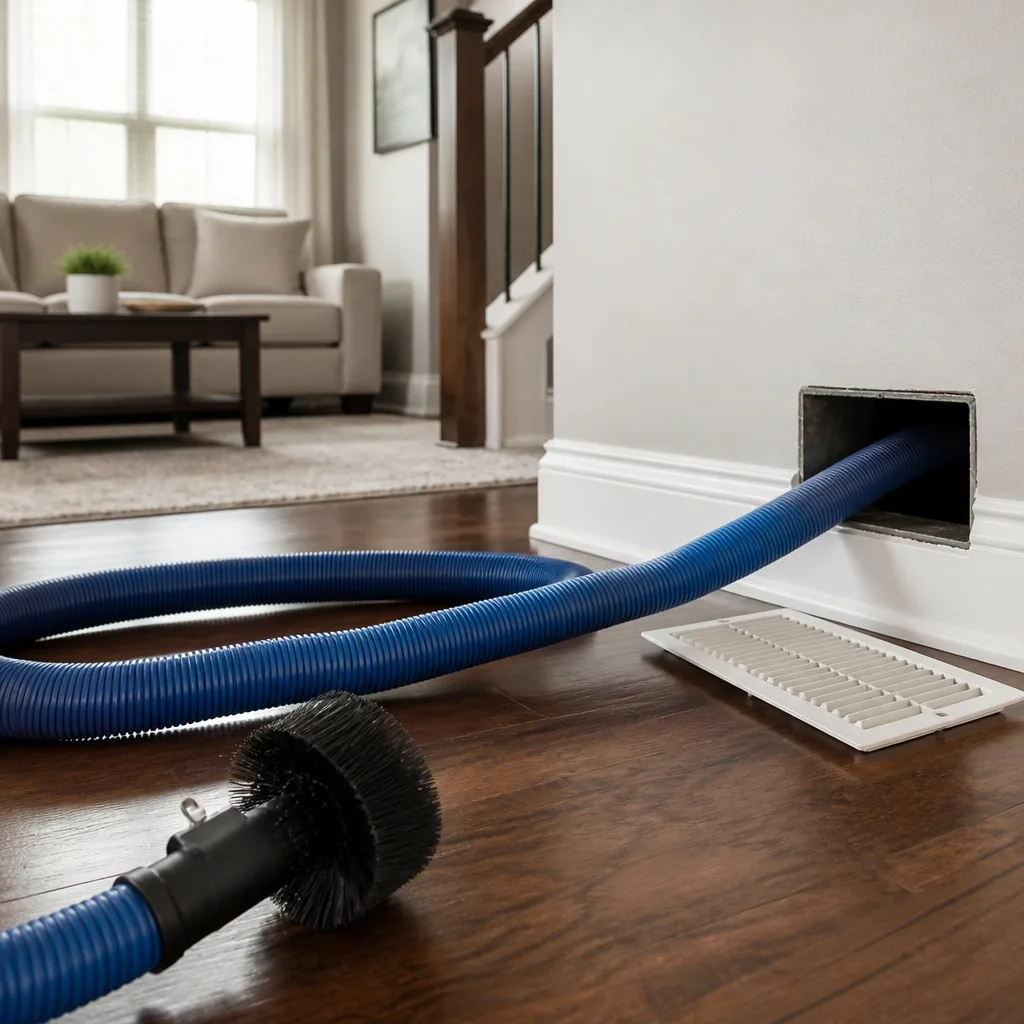 Whole-home duct cleaning
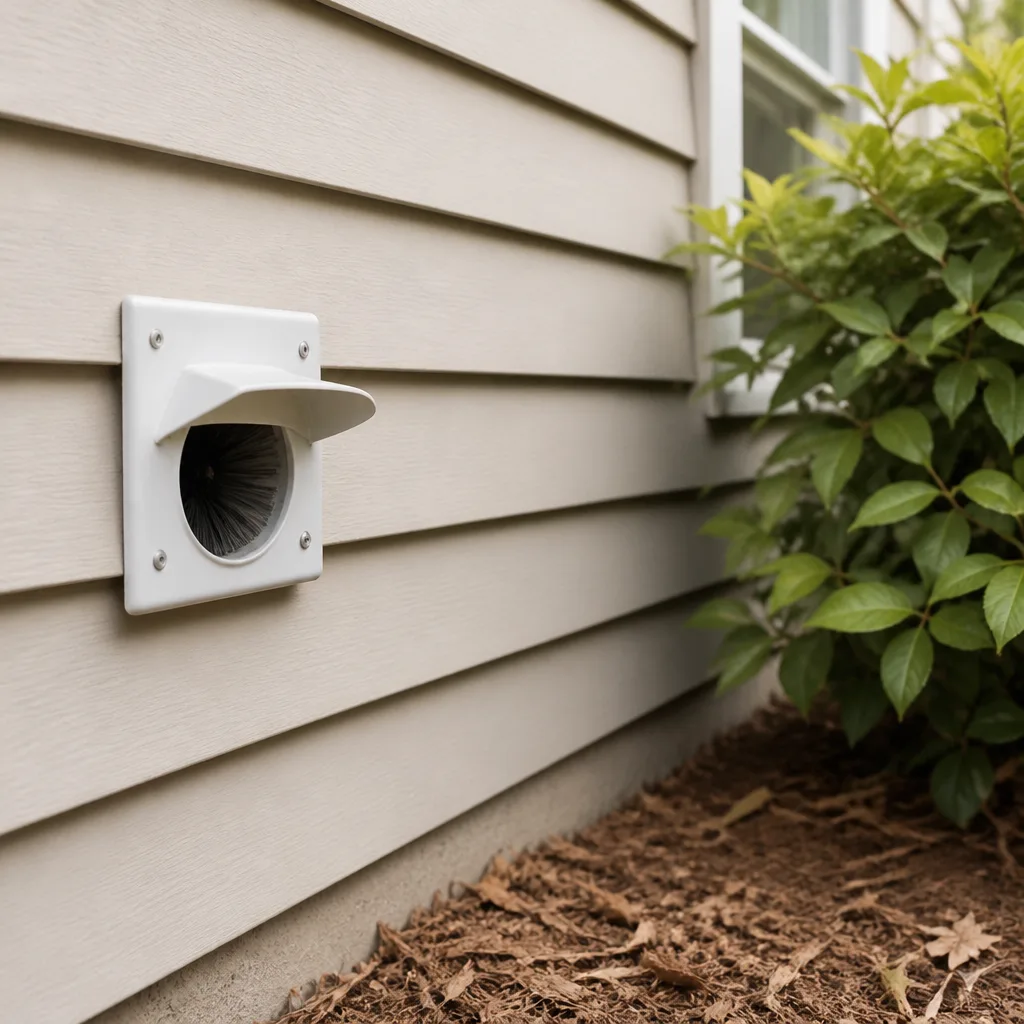 Dryer vent cleaning
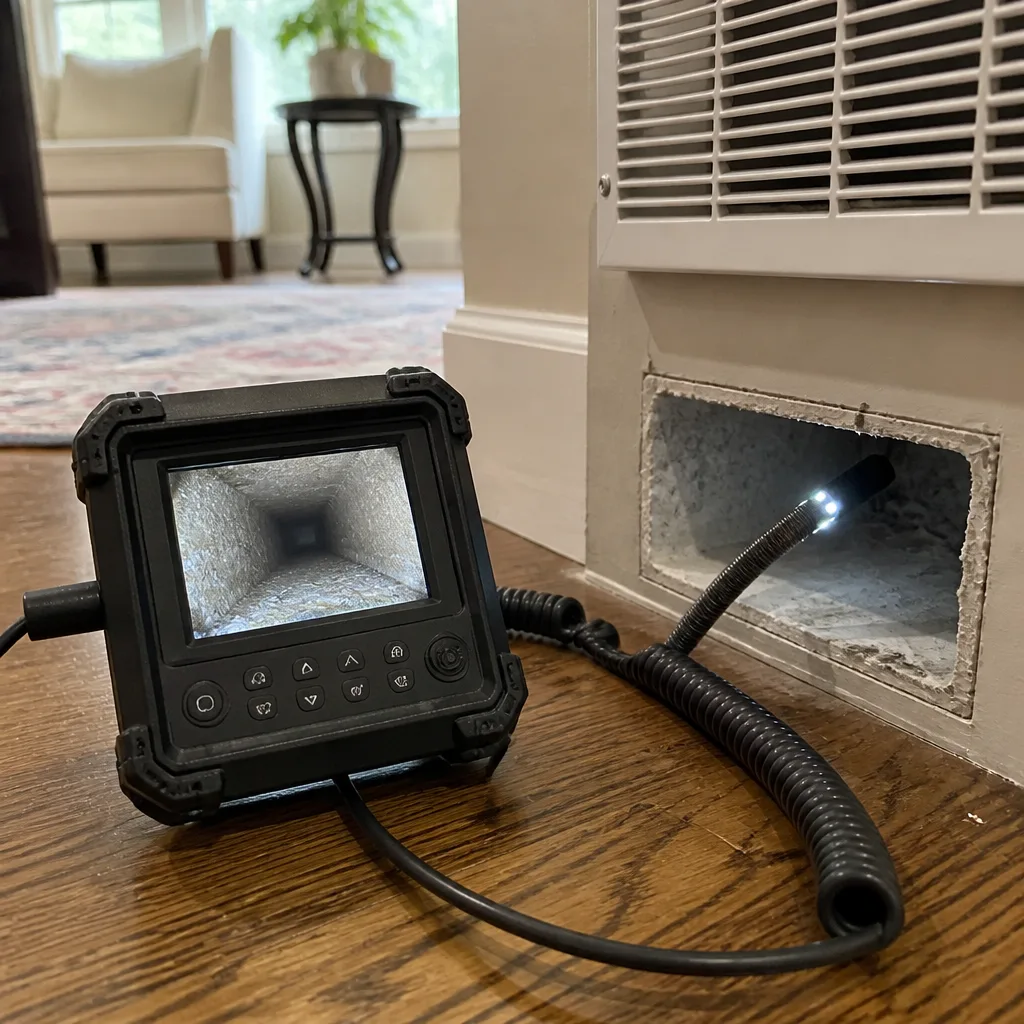 Camera inspection
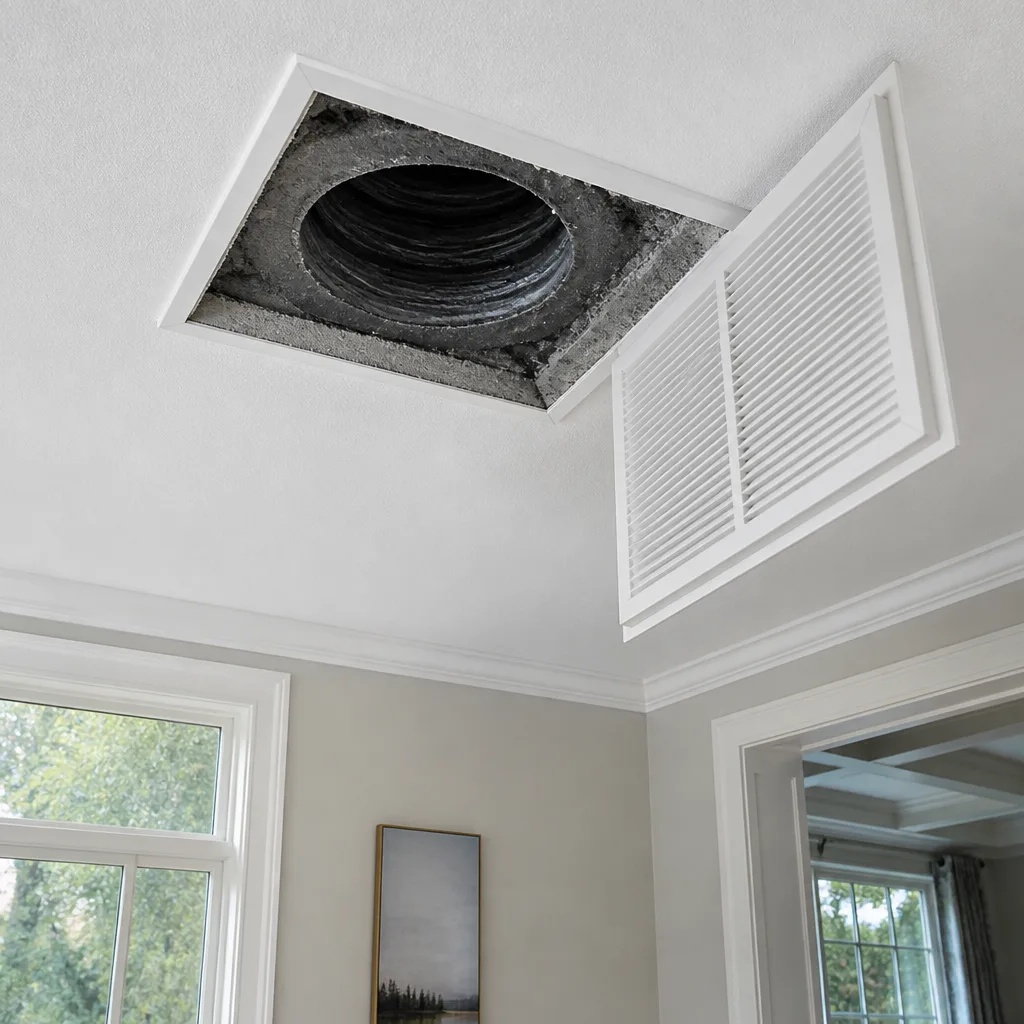 Sanitizing & deodorizing
Whole-system duct and dryer vent check with before-and-after photos - you see exactly what came out of your vents
That "$99 whole-house special" is a bait ad - the real number appears once they are in your hallway, or the "clean" is a shop-vac at the register. We photograph the inside of your ducts before and after instead.
Air Duct Cleaning Permits, Codes & Inspections in Seven Hills, CO: What You Need to Know
Cleaning your ducts is not a permitted activity in Colorado. Nobody from Jefferson County comes out to inspect a vacuum, a brush whip, or a HEPA filter unit. That surprises most homeowners, and it’s the part of the story everyone gets right. The part they miss is what happens an hour into the job when we find a disconnected trunk line in a crawlspace, or duct board that’s been taped and re-taped until it barely seals. Reconnecting a duct or rebuilding a joint is mechanical work, and mechanical work falls under Colorado’s adopted code in ways cleaning never does. This guide walks through where that line sits in Seven Hills, what to document, and what to ask before you hire.
Quick Answer
Air duct cleaning requires no permit in Seven Hills or anywhere in Jefferson County. Duct repair, sealing, reconnection, or component replacement that modifies the system may qualify as mechanical work under Colorado’s adopted International Mechanical Code, and a contractor performing it should be licensed for the scope. Ask for the scope of work in writing and keep the documentation for resale or insurance purposes.
Styles & brands we work with
- Whole-home duct cleaning
- Dryer vent cleaning
- Camera inspection
- Sanitizing & deodorizing
Table of Contents
- Does Colorado require a permit for air duct cleaning?
- What Colorado’s adopted International Mechanical Code covers
- Where cleaning stops and permitted mechanical work begins in Jefferson County
- Duct condition and disclosure on Colorado home sales
- What to ask a contractor about licensing and repair scope
- Documentation to keep on file
- What a post-repair inspection actually looks for
- Seven Hills specifics: housing, airflow, and what we find here
Does Colorado require a permit for air duct cleaning?
No. Cleaning the inside surfaces of supply and return ducts is maintenance, not construction, and no building permit applies to it. Colorado does not license air duct cleaners as a trade, and Jefferson County doesn’t issue permits for vacuuming a duct run.
What does exist is a patchwork of credentials that homeowners should understand before they hire. Some contractors carry a general contractor license. Some carry HVAC mechanical licenses. Others operate with a business license and no trade credential at all, which is legal for cleaning-only work.
That distinction matters less on a straightforward cleaning and more the moment a technician tells you something is broken.
- Cleaning-only scope: no permit, no mechanical license strictly required, but professional equipment and liability insurance still matter.
- Repair or modification scope: may fall under mechanical code depending on what’s changed and how the local authority reads it.
- Component replacement (registers, dampers, flex runs): treated as mechanical work in most jurisdictions.
- New ductwork or re-routing: almost always permitted and inspected.
If a company claims to be licensed for duct cleaning and can’t tell you what that license actually is, ask again. The answer should name a real credential, not a marketing phrase. Our technicians have up to 10 years of experience and can lay out the difference between cleaning scope and repair scope before we start. That conversation is free.
What Colorado’s adopted International Mechanical Code covers
Colorado updates its building codes on a cycle, and the International Mechanical Code (IMC) forms the backbone of how duct systems are regulated across the state. Local jurisdictions like Jefferson County adopt and amend the IMC, which is why the specifics can vary slightly from one municipality to the next.
The IMC chapters that matter to ductwork address a handful of things:
- Duct integrity and connections. Joints must be mechanically fastened and sealed to prevent leakage. Tape alone, over a gap, is not a seal.
- Materials. Duct materials must meet standards for flame spread and smoke development. Substituting non-rated materials in a repair is a code issue even if it looks fine.
- Clearances. Ducts passing near heat-producing equipment or through certain assemblies need specific clearances. Changing a run’s path without checking can create a violation.
- Support and sag. Flex duct that sags over a long span restricts airflow and can violate the install requirements for the product.
- Access. Systems need reasonable access for maintenance and cleaning. A duct system with no access panels in the right spots is a design flaw, not a cleaning problem.
None of that comes up during a standard cleaning. It comes up when a repair is proposed. A technician who reconnects a trunk line without knowing what the IMC says about connection methods can leave you with a system that passes a visual check and fails an inspection years later.
In our experience, the safest path is to know the code requirement before performing the repair, and to write it into the scope. When our air duct cleaning uncovers a problem, we stop, photograph it, and tell the homeowner what category of work they’re looking at.
Where cleaning stops and permitted mechanical work begins in Jefferson County
The dividing line isn’t always obvious, so here’s how to think about it. Cleaning removes debris from a system as it exists. Any change to the system’s physical configuration pushes the work toward mechanical scope.
These sit firmly on the cleaning side:
- Removing dust, debris, and biological buildup from duct interiors
- Cleaning registers and grilles without removing or replacing them
- Cleaning the air handler cabinet surfaces and blower wheel exterior
- Applying an antimicrobial sanitizing treatment to cleaned duct interiors
These edge toward repair or modification:
- Reconnecting a separated or disconnected duct run
- Sealing duct board or hard pipe with mastic or approved sealant
- Replacing a damaged section of flex duct
- Adding, relocating, or enlarging a supply or return
- Installing or adjusting dampers
Whether a given repair needs a permit depends on the specific work, how it changes the system, and how the local building department reads the scope. A reconnection in kind may be treated as a repair that needs no permit. A new run, a re-routed trunk, or a change in the number of supplies almost certainly does.
The practical rule for homeowners: if the technician describes the work as “reconnecting” or “sealing,” ask whether it’s considered mechanical work and whether it needs a permit in Seven Hills. A straight answer takes ten seconds. Evasion tells you something.
Dryer vent work sits outside this entirely; dryer vent cleaning is a maintenance service with its own safety considerations but no mechanical code scope.
Duct condition and disclosure on Colorado home sales
Colorado’s seller’s property disclosure form asks sellers to disclose known material defects in the property’s systems. Ductwork is part of the HVAC system. A disclosed problem, a recently completed repair, or a cleaning that uncovered damage all become part of the property’s documented condition if the seller is being honest.
Here’s where it gets interesting. Buyers rarely ask about duct condition specifically, and inspectors rarely open ceilings to look at it. But if a repair was performed before a sale and the work wasn’t documented, a buyer’s inspector can flag unpermitted work and blow up a closing. That’s more common than most sellers realize.
So the practical guidance is simple:
- If you had a duct repair performed, keep the documentation and disclose it.
- If a cleaning revealed damage that has not been repaired, mention it or make a good-faith decision to repair it before listing.
- If you’re buying in Seven Hills, ask for any duct or HVAC documentation the seller has, and ask whether a cleaning has been done recently.
- If a permit was pulled for any mechanical work, ask for the inspection record.
We always recommend our Air Duct Cleaning Seven Hills reports end up in the seller’s file. They’re plain, factual, and turn a vague concern into a documented condition. That’s what a buyer’s agent wants to see – not a promise, an actual record.
What to ask a contractor about licensing and repair scope
Licensing is the single question homeowners skip most often, and it’s the one that determines whether a repair leaves you exposed. Here’s the exact set of questions worth asking before anyone starts work.
- “What’s your license, and can you give me the number?” If they can’t name a real credential, they aren’t licensed for repair scope.
- “Is the repair work you’re proposing covered under your license, or is it a separate mechanical scope?” Some companies are licensed for cleaning only and subcontract repairs.
- “Does this repair require a permit in Seven Hills, and are you pulling it?” The answer should be a straightforward yes, no, or “we’ll check with the county.”
- “What materials are you using, and do they meet the code standards for duct work?” Mastic manufacturer, duct board rating, flex duct spec – get a name on paper.
- “Who is doing the actual work, and are they certified to do it?” Not every technician doing repairs is certified for the specific scope.
- “What does the documentation look like when you’re done?” Written scope, photos before and after, sign-off, and the license number on the invoice.
Any contractor who can’t answer these cleanly is telling you something useful.
Our answer on the licensing question has been consistent since we started having it: the licensed professional we connect you with carries the credentials their state requires for the scope they’re performing, and we scope repair work in writing before anyone starts. Our HVAC cleaning service reports flag anything that needs a permit or a licensed trade beyond cleaning.
Documentation to keep on file
Once the work is done, the paperwork is what protects you. Not the invoice that says “service performed.” The record that includes the license of the person who did it and what they actually changed.
Here’s the file you should keep:
- Contractor name and license number. The license number of the individual or company performing the work.
- Scope of work in writing. What was cleaned, what was repaired, where in the system, and how.
- Materials list. Mastic brand, sealant type, duct product spec if any was used.
- Before and after photos. Interior duct images, the repair site close-ups, the access panel reinstalled.
- Permit record if one existed. Permit number and inspection sign-off.
- Date of service. This matters more than people think. It’s how you show a buyer or an adjuster that maintenance was current.
Put it in a folder with your HVAC system documentation and your furnace manual. When you sell the Seven Hills house, or when something goes wrong and an insurance adjuster asks what was done, that folder answers the question. Photos of clean ducts look dramatic, but photos with dates and scope notes are the thing that actually settles a claim.
What a post-repair inspection actually looks for
If a repair required a permit, an inspector signs off on the work. Here’s roughly what they check, and knowing it in advance saves weeks of back-and-forth.
- Connections. Are joints mechanically fastened and sealed, not just taped? Full perimeter, no gaps.
- Support. Is flex duct sagging? Is it strapped at the correct intervals?
- Clearances. Does the run maintain the required distance from heat sources and penetrations?
- Materials in place. Are the duct materials rated as required?
- Access panels. Is there a way to get to the system for maintenance?
- End-of-run delivery. Are registers delivering air where they should, without obvious leaks at the boot?
Most inspection failures come from the first and last items. Connections that look sealed from three feet away can fail a close inspection if the tape is bridging a gap. And it’s common for a reconnected boot to leak at the wall penetration because nobody sealed the perimeter.
We photograph all of this on every job that involves repair scope. Not because we want to prove anything, but because if an inspector shows up, the record already exists.
Seven Hills specifics: housing, airflow, and what we find here
Seven Hills sits in the foothills south of Boulder and west of Denver, and the housing stock reflects that position. A mix of ranch homes, split-levels, and two-story builds on sloped lots means duct systems here run through crawlspaces, attics, and chases that were designed around the topography rather than a flat lot.
That creates a few recurring patterns:
- Long returns. Homes on a slope often have a return run that travels further than the supply side, and long returns in unconditioned space collect more debris and lose more static pressure.
- Flex duct in attics. Attic runs here see temperature swings through the year. Flex duct that’s poorly supported sags, and sagging flex is one of the most common findings during a cleaning.
- Duct board in crawlspaces. Older homes with duct board trunk lines in crawlspaces often have joints that have loosened with seasonal movement. That’s where we find disconnects most often.
- Dry, dusty air and wildfire smoke seasons. The Front Range sees particulate events through the summer, and systems that pull outdoor air can accumulate fine dust that a homeowner can’t see.
None of that means the ducts need cleaning on a schedule. It means the diagnosis matters more than a fixed interval. A Seven Hills home that pulls its air from a dusty crawlspace is in a different situation than a newer build with a sealed air handler closet.
When we inspect, we check the whole system – air duct cleaning scope, dryer vent, air handler condition, and where the repairs might be hiding. The equipment we bring is the same grade remediation contractors use: Rotobrush and Nikro systems, with Abatement Technologies HEPA filtration deployed on site so dislodged debris is captured rather than recirculated. That’s a step worth asking about when you compare bids, because it’s the difference between a real cleaning and a very expensive dust storm.
Common Mistakes to Avoid
- Assuming “cleaning” includes repairs. Many companies clean and leave the disconnected run alone. Ask specifically what happens if they find damage, and whether the repair is quoted separately.
- Not asking for the license behind the repair. Cleaning-only credentials don’t cover mechanical work. Get the actual license number on paper, not a logo.
- Skipping the permit because “it’s just a duct.” A re-routed run without a permit can fail a future inspection, and the failure lands on the homeowner, not the contractor. Check with the county before any non-trivial modification.
- Discarding the documentation. An invoice that says “duct cleaning, $X” doesn’t answer a buyer’s inspector or an insurance adjuster. Keep the scope, photos, and dates.
- Taking a very low quote at face value. A price that doesn’t cover the equipment time to actually do the job often means a vacuum-and-go visit. Ask what equipment they use and whether HEPA filtration is on site.
- Failing to disclose prior repairs at resale. Colorado’s disclosure requirements cover known system defects. Documented, permitted work is not a problem. Undocumented work sometimes is.
- Booking on price alone without asking about materials. Duct board, sealant, and flex all have code-relevant specs. If the technician can’t name what they’re using, that’s the answer to your question.
See the difference
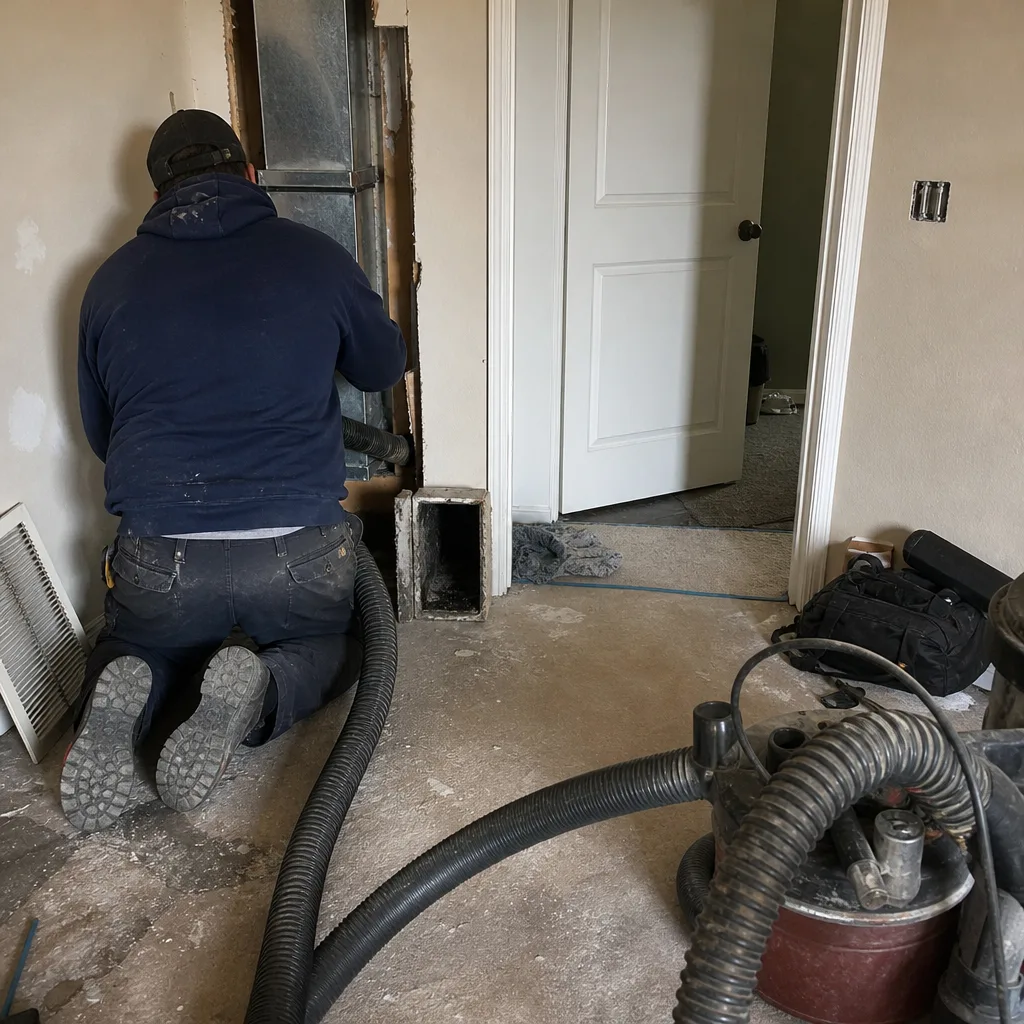 Before
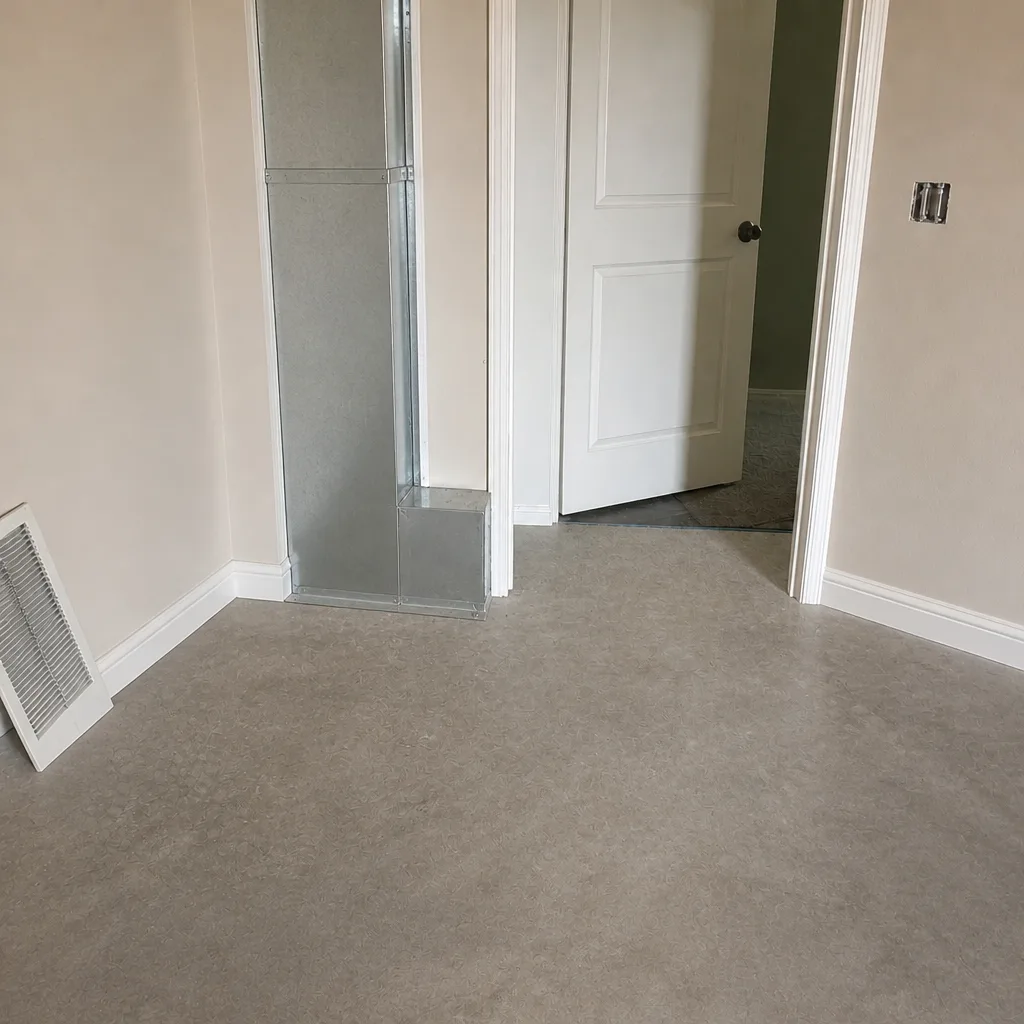 After
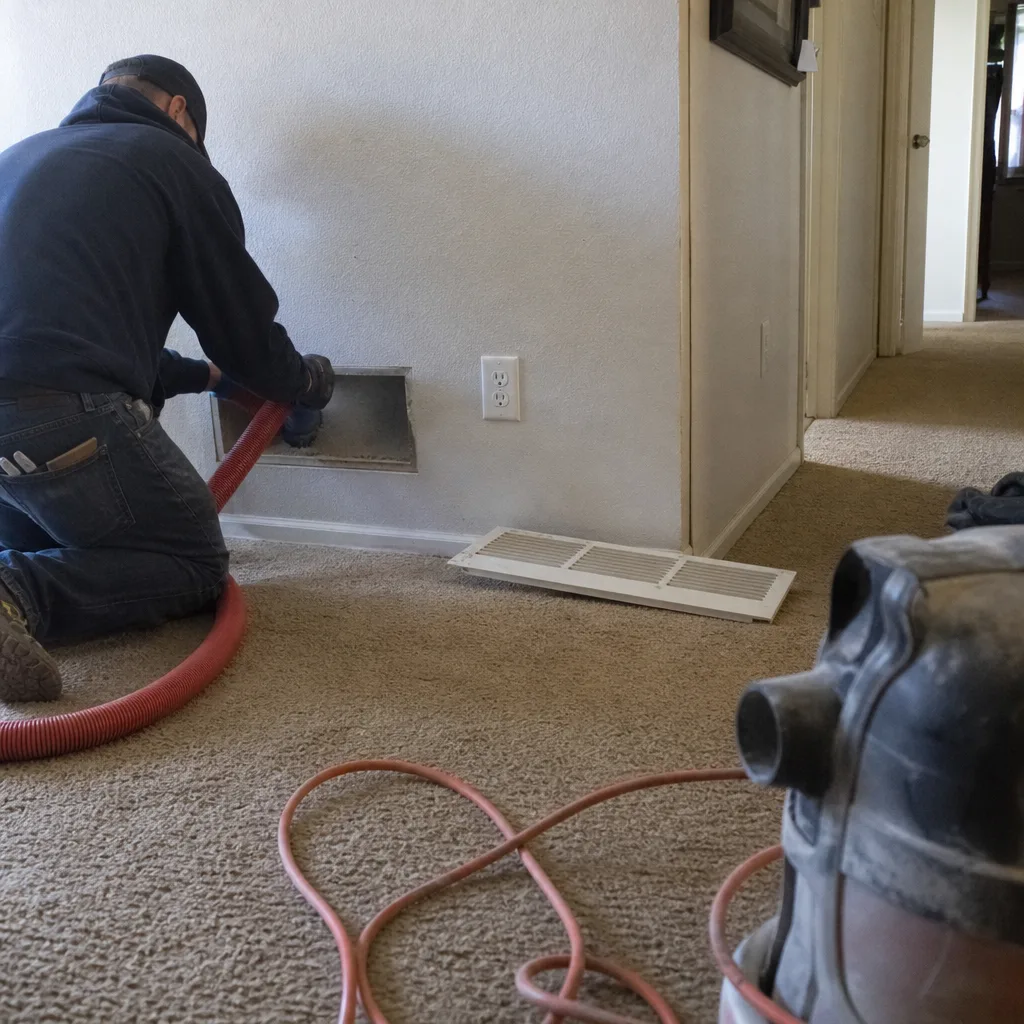 Before
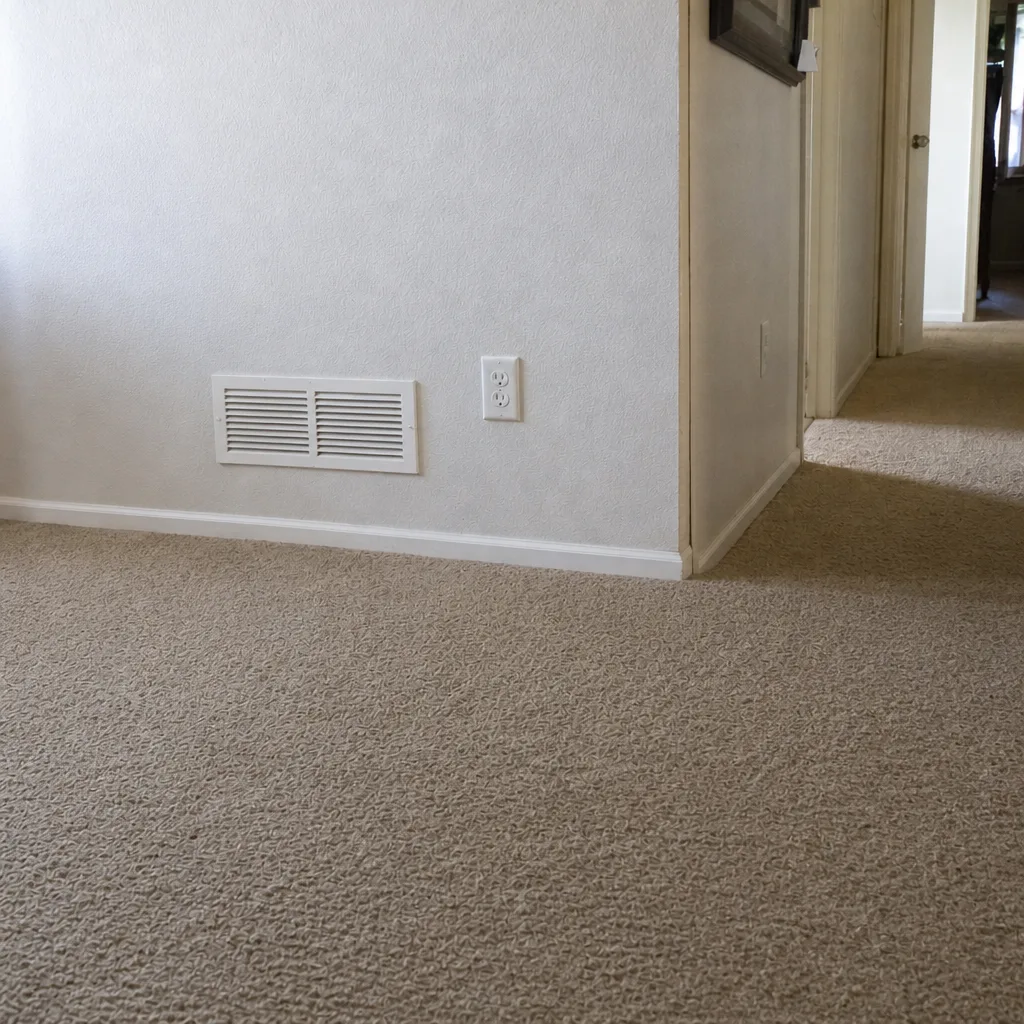 After
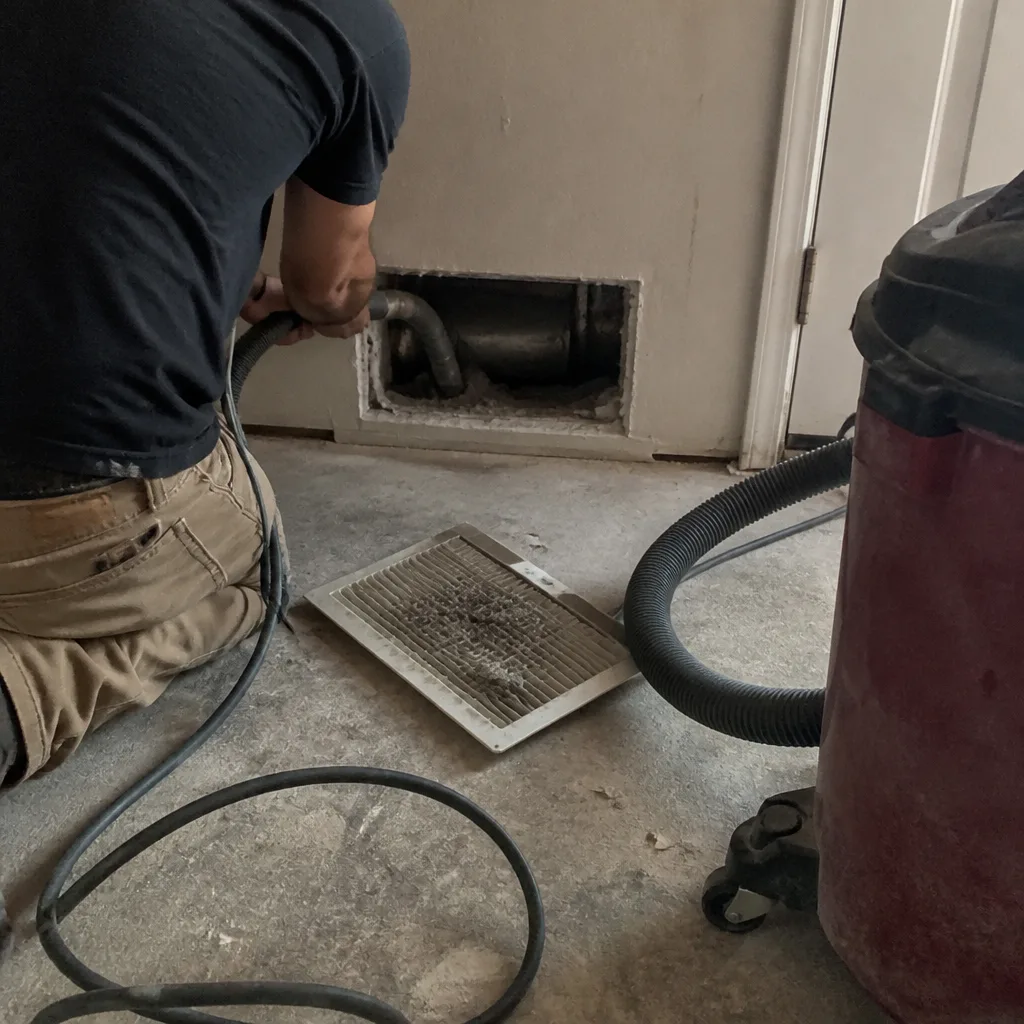 Before
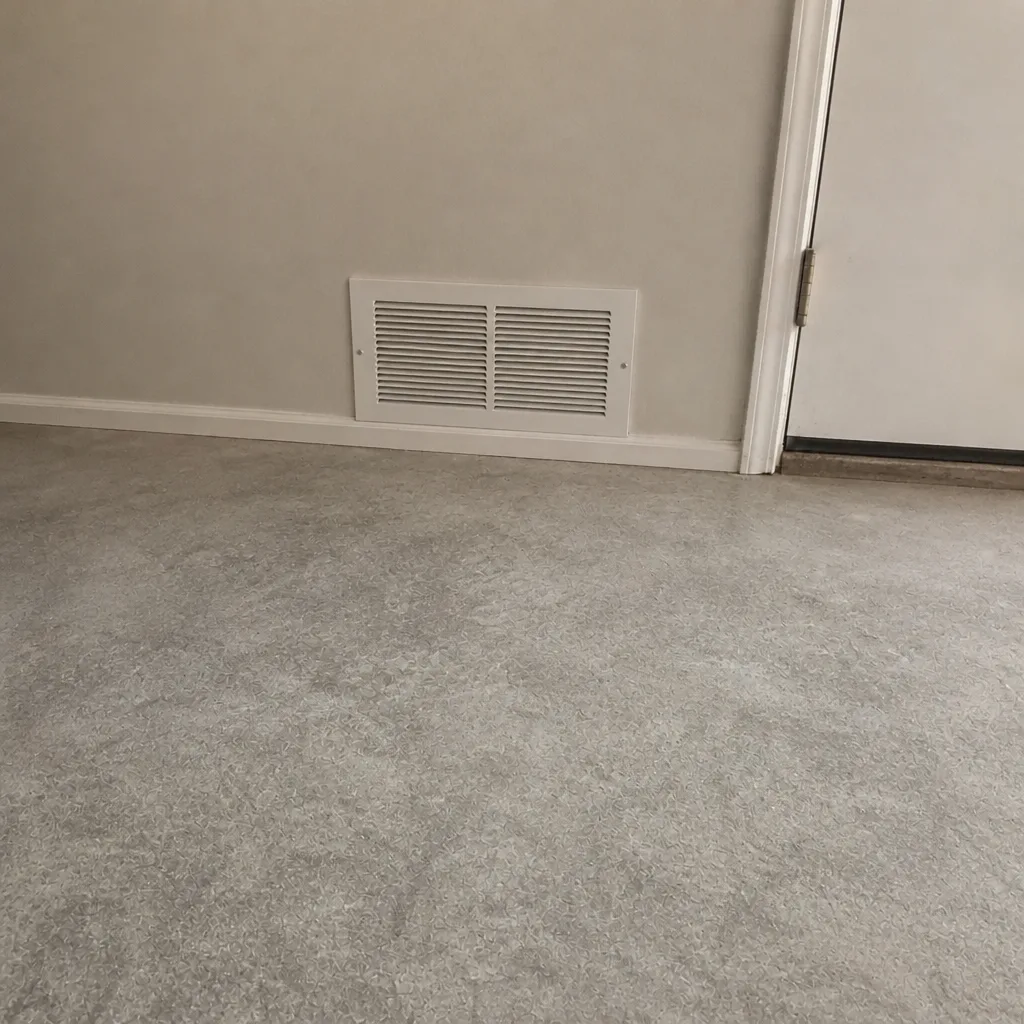 After
When to Call a Professional
Bring in a professional when the question involves the inside of the system, not just the registers. If you’ve noticed reduced airflow to a room, visible dust streaking from a supply boot, a musty smell when the fan kicks on, or a duct run that’s clearly separated in the attic or crawlspace, that’s a specialist call, not a hardware store fix. If you’re in the middle of a home sale and the buyer’s inspector flagged ductwork, that’s also a specialist call. And if a previous cleaning left you with photos but no documentation, we can produce a proper report. Air Duct Cleaning Seven Hills offers free estimates in Seven Hills – call (855) 729-0413. The estimate is free, the price is set per job by the written estimate, and we scope any repair separately from the cleaning so you can see exactly what falls on each side of the code line.
Frequently Asked Questions
No. Air duct cleaning does not require a permit in Seven Hills or anywhere in Jefferson County. Cleaning is considered maintenance and falls outside the permitting process. Repairs or modifications to the duct system may require a permit depending on the scope; call (855) 729-0413 and we’ll tell you which category your job falls into, and the estimate is free.
Often, yes. Reconnecting separated ducts, replacing flex runs, sealing duct board, or adding a supply are typically mechanical work under Colorado’s adopted International Mechanical Code, though the exact treatment varies by jurisdiction. Ask the contractor whether their license and scope cover the repair, and whether a permit applies in Seven Hills. Call (855) 729-0413 for a scoped estimate.
Only if there’s a known defect or a repair that wasn’t properly documented. Cleaning itself doesn’t affect a sale, but unrepaired damage or undocumented mechanical work can raise questions at inspection. Keep the scope of work, license information, and photos. Call (855) 729-0413 if you need documentation for a sale.
Pricing depends on the number of systems, how many runs, and whether repairs are needed. Most homes are quoted as a whole-system job, not per vent, because per-vent pricing tends to produce surprise add-ons. We scope the work in writing and agree on one flat price before it starts, based on what we actually find. Call (855) 729-0413 for an exact quote; estimates are free.
Cheap quotes rarely cover the labor and equipment time of a real cleaning. A vacuum-and-go visit with consumer-grade gear can look similar to a proper job in the invoice but leaves the debris where it was. Ask what system will be used, whether HEPA filtration stays on site for the whole job, and whether photos are provided. Call (855) 729-0413 for an estimate you can compare line by line.
Keep the contractor’s license information, the written scope of work, a materials list, before-and-after photos, any permit records, and the service date. That folder matters for resale and insurance claims. If a licensed professional performed the work, the license holder can confirm it in writing. Call (855) 729-0413 and we’ll walk you through what your own file should contain.
The Bottom Line
Cleaning your ducts in Seven Hills doesn’t touch the permitting system. Repairing them sometimes does. That’s the whole distinction, and it’s the one most homeowners never hear because it doesn’t come up until something breaks mid-job. Ask what’s cleaning and what’s mechanical work before anyone starts. Get the license number behind the repair. Keep the documentation. And if you’re unsure which side of the line a job falls on, ask before you authorize it. Our technicians have up to 10 years of experience and can scope both. Call (855) 729-0413. We answer 24/7. Fast dispatch from 7am to 7pm, Sunday through Friday.
Written by the team at Air Duct Cleaning Seven Hills.