
Last updated November 24, 2026
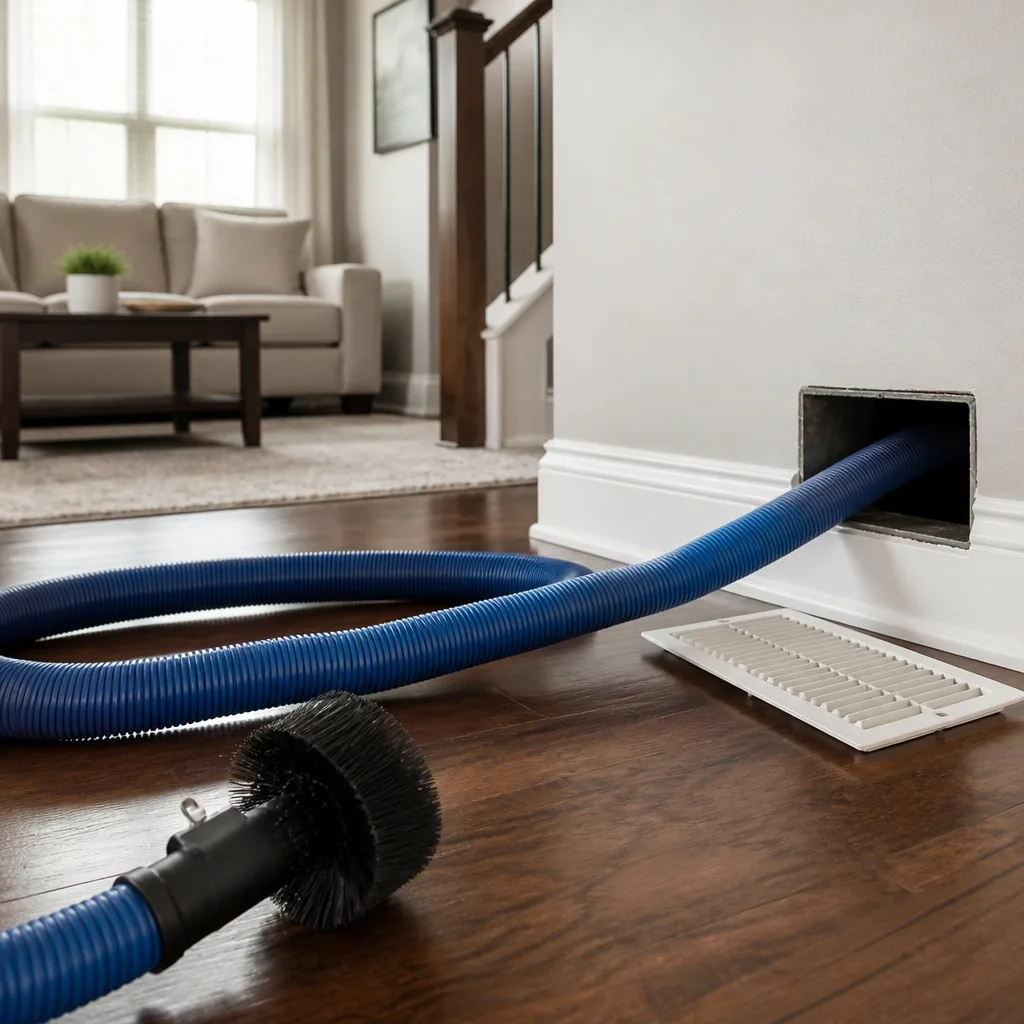 Whole-home duct cleaning
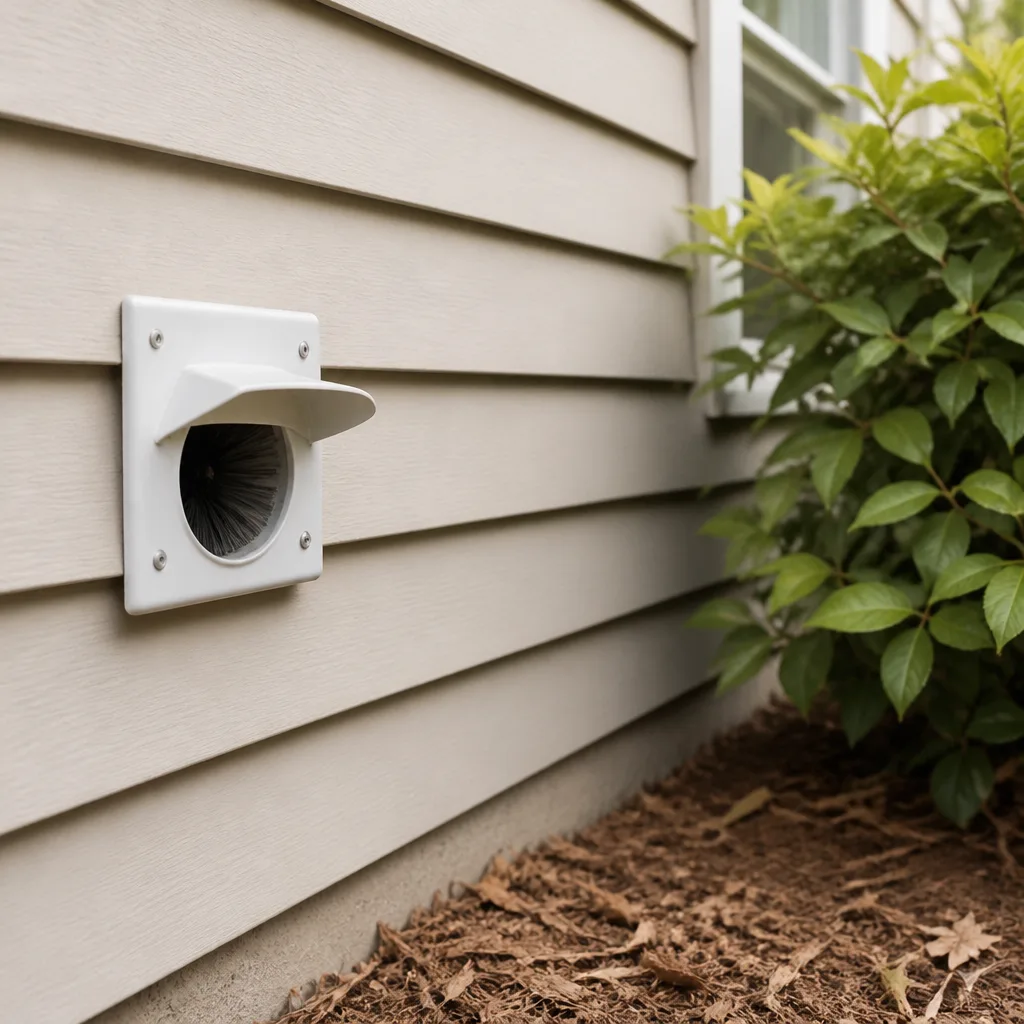 Dryer vent cleaning
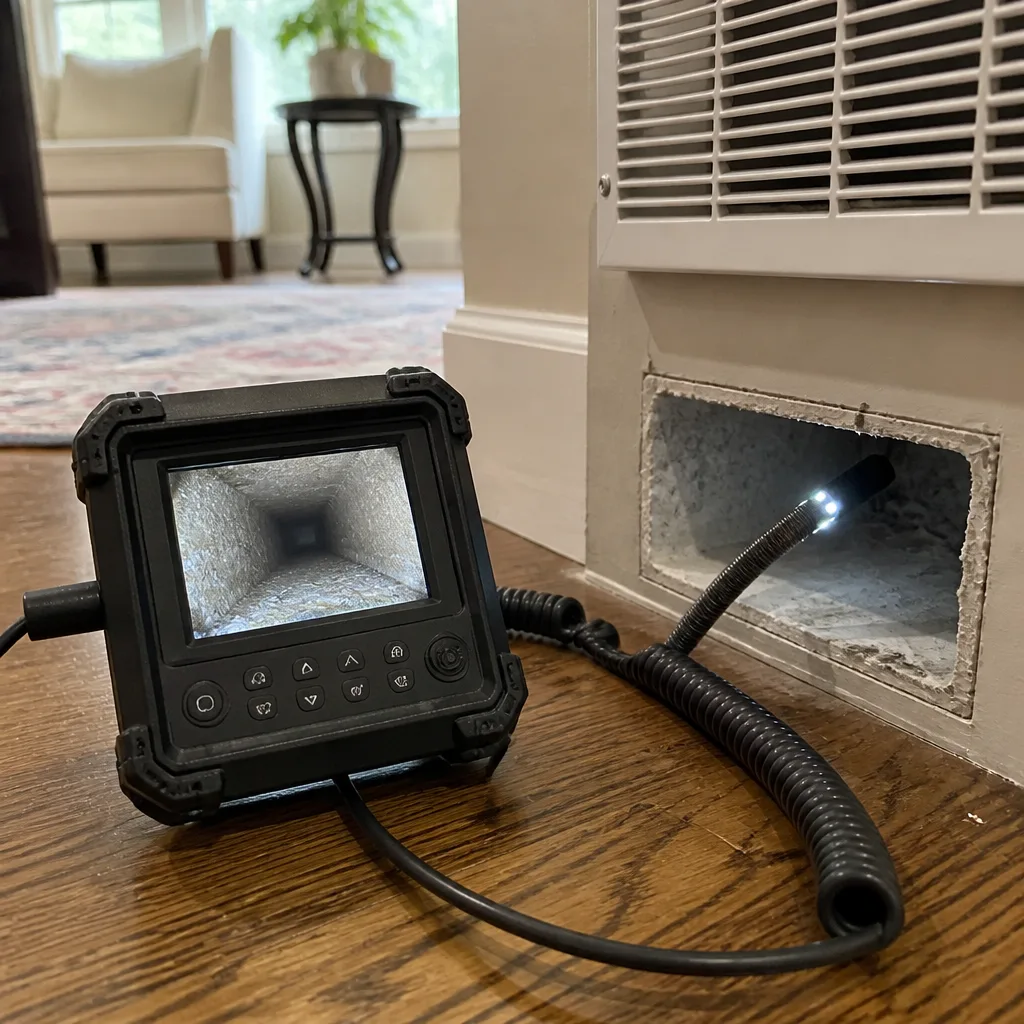 Camera inspection
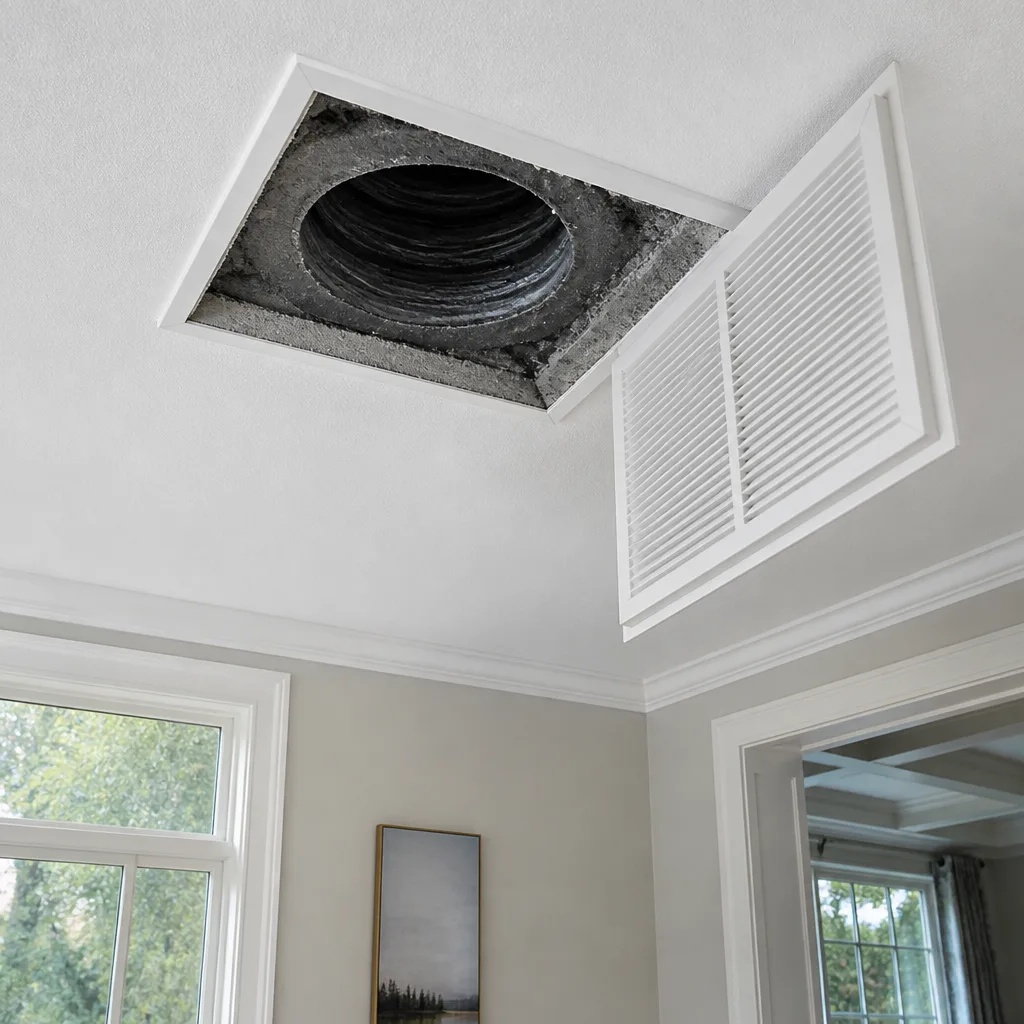 Sanitizing & deodorizing
Whole-system duct and dryer vent check with before-and-after photos - you see exactly what came out of your vents
That "$99 whole-house special" is a bait ad - the real number appears once they are in your hallway, or the "clean" is a shop-vac at the register. We photograph the inside of your ducts before and after instead.
Air Duct Cleaning Troubleshooting in Seven Hills: Common Problems and How to Fix Them
If dust is back on your registers two weeks after a cleaning, the technician either missed a return trunk line or never cleaned past the first four feet of flex duct, and you can verify which one in about ten minutes. That’s the uncomfortable truth most duct-cleaning guides skip: the problems you notice after a service call usually aren’t mysterious. They leave physical evidence behind. Tool marks, debris lines, gaps at plenum connections, a register boot someone never touched. This guide walks Seven Hills homeowners through how to read that evidence room by room, tell a real re-clean from a repair, and know which professional to call for each.
Quick Answer
Most air duct cleaning problems after service in Seven Hills come down to one of four causes: the crew skipped return trunk lines or flex connections at the plenum, mechanical agitation never actually happened inside the runs, an access panel wasn’t reseated and static pressure climbed, or the ducts didn’t cause the smell in the first place. You can confirm or rule out each one yourself by checking register boots for cleaning marks, inspecting the flex joints near your air handler, and noting whether airflow or odor changed after the job. The sections below explain how to do each check.
Styles & brands we work with
- Whole-home duct cleaning
- Dryer vent cleaning
- Camera inspection
- Sanitizing & deodorizing
Table of Contents
- How to Inspect a Supply Register Boot for Cleaning Evidence
- Why Flex Duct Connections at the Plenum Get Skipped
- Diagnosing Odor Recurrence After a Cleaning
- What It Means If Static Pressure Increased After Cleaning
- Re-Cleaning vs. Duct Sealing vs. Replacement
- How Colorado’s Dry Air and Static Affect Duct Performance
- Which Professional to Call for Which Problem
- Common Mistakes to Avoid
How to Inspect a Supply Register Boot for Cleaning Evidence
You don’t need a borescope to confirm whether mechanical agitation happened inside your ducts. Start at the supply register boots, the short metal or plastic connector between the duct and the grille you see on your wall or floor. When a technician runs a rotary brush or air whip through a run, the boot interior and the last few inches of duct show it. Here’s how to check:
- Shine a flashlight into the boot after removing the grille. Look at the metal walls and the point where flex duct meets the boot collar. Cleaned surfaces show consistent tool marks or a visibly wiped pattern. Uncleaned surfaces show a uniform dust film or caked debris in the corners.
- Look for a fine debris line inside the boot. After professional cleaning with Air Duct Cleaning Seven Hills equipment, a light line of residual dust in the last inch isn’t unusual. A thick, settled band along the bottom edge means the brush never traveled past that point.
- Check the boot-to-flex connection. Look for disturbed dust rings or “clean shadows” where a tool rubbed against one spot and nowhere else. That tells you the equipment touched the opening but not the run.
- Compare registers on the same run. In most Seven Hills homes, a trunk line feeds several registers. If the register nearest the furnace is clean and the far one is dusty, the agitation stopped early.
Rotary brush systems like Rotobrush and air-driven whip systems reach the full length of a run, so evidence of agitation should appear at every register on that line. If only the first few are clean, you’ve found the problem. This check takes about ten minutes on a standard Seven Hills home with a dozen registers, and it’s the single most useful thing you can do after a cleaning.
Why Flex Duct Connections at the Plenum Get Skipped
The most commonly skipped segment in air duct cleaning is the flex duct connection at the supply and return plenum, right where the runs branch off the main duct near the air handler. It’s tight, awkward, and easy to rush. But skipping it is precisely why dust comes back fast. The plenum junction is where air velocity is highest and where everything collects first. Skipping it means the biggest source of the problem was never touched.
Here’s how to spot an uncleaned joint by visual inspection. Remove any panel or insulation cover that gives you a view of the plenum. Then look for these signs:
- Dust evidence that stops at the collar. The flex collar attached to the plenum should show the same agitated, cleared pattern as the duct run. If the duct is clean but the collar is still dark and caked, the crew stopped there.
- Debris still in the plenum seam itself. The inside corners of the plenum box hold heavy dust. A real cleaning with Abatement Technologies filtration running on-site should have left those corners clear.
- Untouched insulation interior. Flexible duct has an inner liner and insulation between the liner and outer jacket. If the liner’s surface looks uniformly dusty, no brush ran through.
- Missing or sloppy resealed seams. Professional cleaning involves accessing flex joints and resealing them after. If tape or mastic looks freshly applied but only on some joints, the others were never opened.
You’ll find these problems most often on systems where the plenum sits in a tight closet or above a finished ceiling, which is common in Seven Hills homes with basement or crawlspace air handlers and ductwork running through conditioned space. If the plenum connections look untouched, the cleaning didn’t reach the source, and a proper air duct cleaning should start there on the second pass.
Diagnosing Odor Recurrence After a Cleaning
An odor that comes back after cleaning has two possible causes, and they call for different responses. The first is that the cleaning stirred up mold or debris in the system without reaching the real source. The second is that the ducts were never the source at all. The coil housing, the condensate drain pan, or a humidifier can hold moisture and organic growth that feed a musty smell indefinitely, regardless of how well the ducts were cleaned.
Distinguish between the two with a simple timeline check. If the odor changed character after the cleaning, going from a settled musty smell to a sharper or stronger one for a few days, that’s a sign agitation disturbed something in the ducts. If the smell faded for a week and returned exactly as before, the source was never in the ducts. Then do this:
- Check the coil housing. Remove the blower compartment panel if it’s safely accessible and look at the evaporator coil and the housing walls. A wet, discolored, or biofilm-covered coil or drain pan is the most likely culprit.
- Smell near the air handler, not at the registers. If the odor is strongest at the furnace or air handler and weaker at the registers, the source is upstream of the ducts.
- Note whether the smell tracks with the AC running. A smell that appears only when the cooling cycle runs and fades when the fan alone runs points to a wet coil or drain pan, not duct debris.
- Check for a humidifier on the system. Aprilaire and Honeywell humidifier pads and tanks can grow microbial film if not maintained, and that produces exactly the musty smell people blame on ducts.
Air quality sanitizing treatments using Guardsman-grade products target cleaned duct interiors, and they help with biological growth the cleaning reaches. They can’t fix a saturated coil or a full drain pan. If the smell comes back after proper sanitizing, the coil housing is where to look next.
What It Means If Static Pressure Increased After Cleaning
An increase in static pressure after air duct cleaning usually means one of two things: a flex duct got dislodged and is now pinched or disconnected, or an access panel or plenum door wasn’t reseated. Either one adds resistance and makes your system work harder and blow less air. It’s a common problem after cleaning, and it’s easy to diagnose in a few steps.
Start by confirming it’s real. If airflow from registers dropped noticeably after the service and stayed down, that’s your signal. Then:
- Listen at the plenum. A hiss or a whistling sound near the air handler usually means a panel isn’t sealed or a joint came loose.
- Look at flex duct runs in accessible areas. A duct pulled tight against framing or kinked at a bend is now restricting flow. If a run is disconnected at the collar, you’ll feel warm air in the cavity and less air at the register.
- Check the access panel screws and gaskets. A panel screwed back without its gasket, or one left with a missing screw, creates a leak that drops pressure downstream.
- Feel for a temperature difference at each register. A register blowing weaker and warmer than the rest may be on a restricted run.
Static pressure is measured in inches of water column and requires a manometer, which most homeowners don’t own. But you can confirm a problem exists by feel. If you suspect a dislodged flex duct or a reseated panel is leaking, stop using the cooling system until it’s checked. A technician with a manometer can pinpoint it in a few minutes.
Re-Cleaning vs. Duct Sealing vs. Replacement
Not every duct problem is a cleaning problem. Some jobs were done properly and still need follow-up work, and knowing which trade to call saves both time and money. Here’s how to sort the three outcomes:
- Needs re-cleaning: dust returns in the same pattern at the same registers, the plenum connections look uncleaned, and the system’s ductwork is intact and accessible. This is a coverage problem, not a condition problem.
- Needs sealing: cleaning is complete, but you have airflow loss, temperature differences between rooms, or dust blowing out of accessible duct joints. Leaks in supply runs can pull attic or crawlspace air into the system. Duct sealing restores pressure and stops leaks.
- Needs replacement: flex duct with a torn inner liner, mold growth visible through the liner into the insulation, or duct sections collapsed or crushed beyond repair. In a Seven Hills home, flex runs in a hot attic can degrade faster than the metal trunk lines, so replacement usually applies to specific segments, not the whole system.
Cleaning, repair, and sealing are one workflow, and the inspection that precedes cleaning tells you which of the three you need. That’s why the same specialist team handling cleaning should also handle sealing and repair. Air quality sanitizing with Honeywell and Aprilaire products is a separate step that follows cleaning, not a substitute for it. If a report after cleaning shows a section of duct in poor condition, ask for photos of the specific segment. A reputable specialist can show you exactly what’s wrong and quote the repair before doing it.
How Colorado’s Dry Air and Static Affect Duct Performance
Seven Hills sits along the Front Range in Colorado, where the air is dry most of the year and winter humidity inside homes can drop well below comfortable levels. That dry air has two effects on ductwork. First, low indoor humidity makes dust and fine debris more likely to become airborne and settle on registers and duct walls, so dust reappears faster than it would in a humid climate. Second, dry air increases static electricity, and static tends to attract dust to duct surfaces and register grilles. Some of what you see is environmental, not a sign of a missed section.
That has a practical consequence for troubleshooting. After a proper cleaning, a light dust film on a register grille within a couple of weeks may be a humidity problem rather than a cleaning one. Dust lines or bands inside the ducts that follow the full length of a run are cleaning problems. Know the difference. A room humidifier or a whole-home humidifier from Aprilaire or Honeywell can help slow dust accumulation, and it also makes the home more comfortable in winter. If a register grille is dusty but the boot and run are clean, look at humidity and filtration before calling for a re-clean.
Filtration is the other local lever. A clogged filter reduces airflow and raises static pressure independently of cleaning, so check the filter before blaming the cleaning job. Replace it with the correct size and the manufacturer’s recommended filter for your system. Switching to a higher-MERV filter than the system was designed for can raise static pressure on its own.
Which Professional to Call for Which Problem
The fastest way to resolve a post-cleaning problem is to call the right trade the first time. Here’s a clear routing guide:
- Call an air duct specialist for missed sections, uncleaned plenum connections, re-cleaning, duct sealing, duct repair, and air quality sanitizing. This is the specialty work, and a specialist team that does cleaning and repair together can close the loop in one visit.
- Call an HVAC technician for a wet coil, a clogged or leaking condensate drain pan, refrigerant problems, or a blower motor failing to move air. These are mechanical repairs outside duct cleaning’s scope.
- Call a duct or insulation contractor if the diagnosis points to duct replacement on a segment or to the attic insulation that sits around the duct runs. Replacing flex duct is not always part of a cleaning service.
- Call a mold remediation specialist if you see visible growth on duct liners, ceiling tiles, or wall cavities beyond the ducts. Cleaning and sanitizing don’t remove structural mold.
For dryer vent concerns, the specialist team handles dryer vent cleaning and HVAC system cleaning as related services, so an inspection can cover the whole air path. If the problem is your furnace or air handler needing a full internal cleaning, that’s HVAC cleaning work and belongs with the same specialist. A pro who cleans ducts with the same professional-grade equipment remediation contractors use can also tell you when the job needs a trade they don’t do. That’s a useful signal in itself, and it’s worth asking about after any cleaning.
Common Mistakes to Avoid
- Assuming a clean register means the whole run was cleaned. The register nearest the trunk is the easy one. In many Seven Hills homes, the far registers on a long flex run are the ones skipped, so check the last register on every line before you judge the job.
- Paying for a re-clean when the real problem is the coil. If the smell returns unchanged and is strongest at the air handler, the ducts were never the source. Cleaning them again won’t help; inspecting the coil housing and drain pan will.
- Confusing static pressure with a filter problem. Before calling back about weak airflow, check the filter. A clogged filter or an over-restrictive filter raises static pressure on its own and produces the same symptom as a dislodged duct.
- Resealing plenum panels yourself without checking for loose flex first. A panel screwed back with a leak still behind it won’t fix airflow. Look for the disconnected or kinked run before closing anything up.
- Blaming the cleaning for dust reappearing in winter. Dry air and static attract dust faster along the Front Range. If register grilles are dusty but the ducts are clean, look at humidity and filtration before a re-clean.
- Hiring a generalist with a shop vac and a coupon. Consumer-grade equipment can’t agitate a full flex run or reach the plenum. If the quote is per-vent and there’s no filtration system on-site during the job, treat the quote as a warning sign.
See the difference
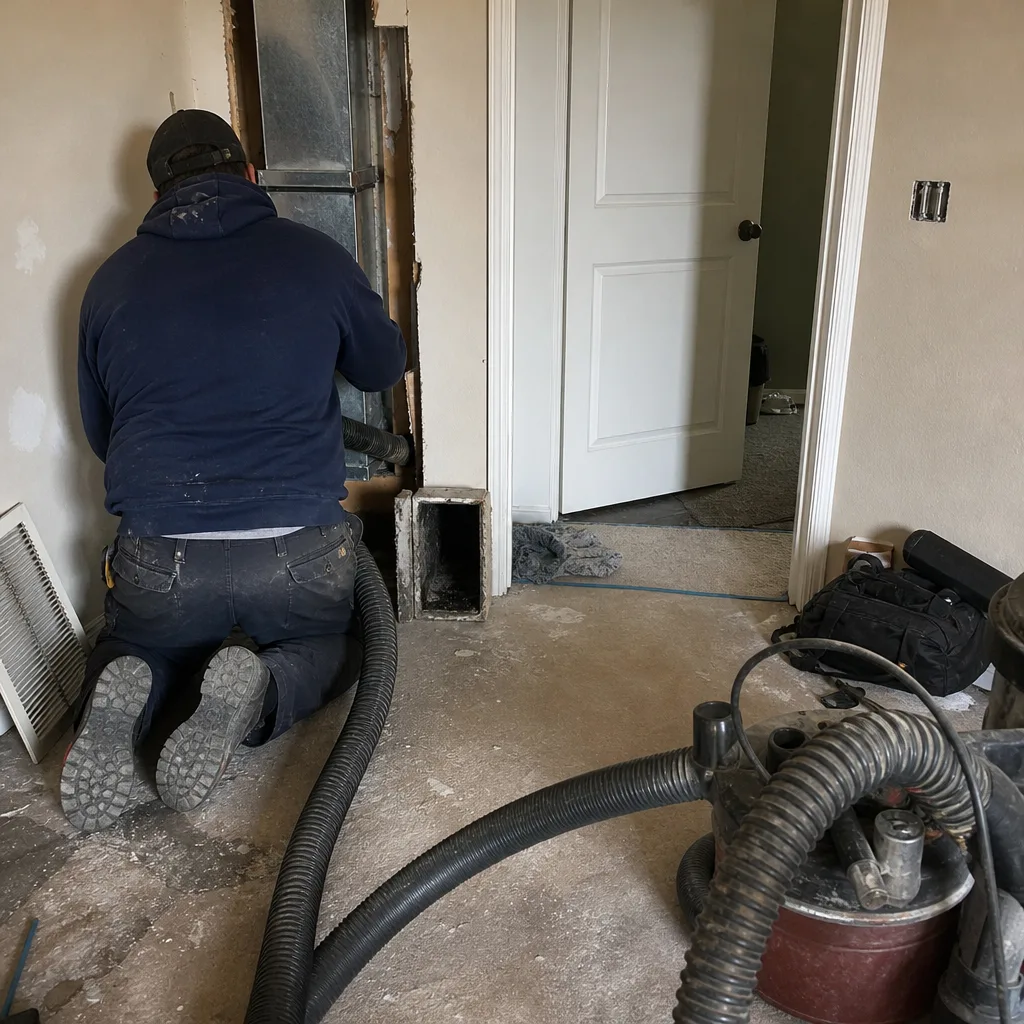 Before
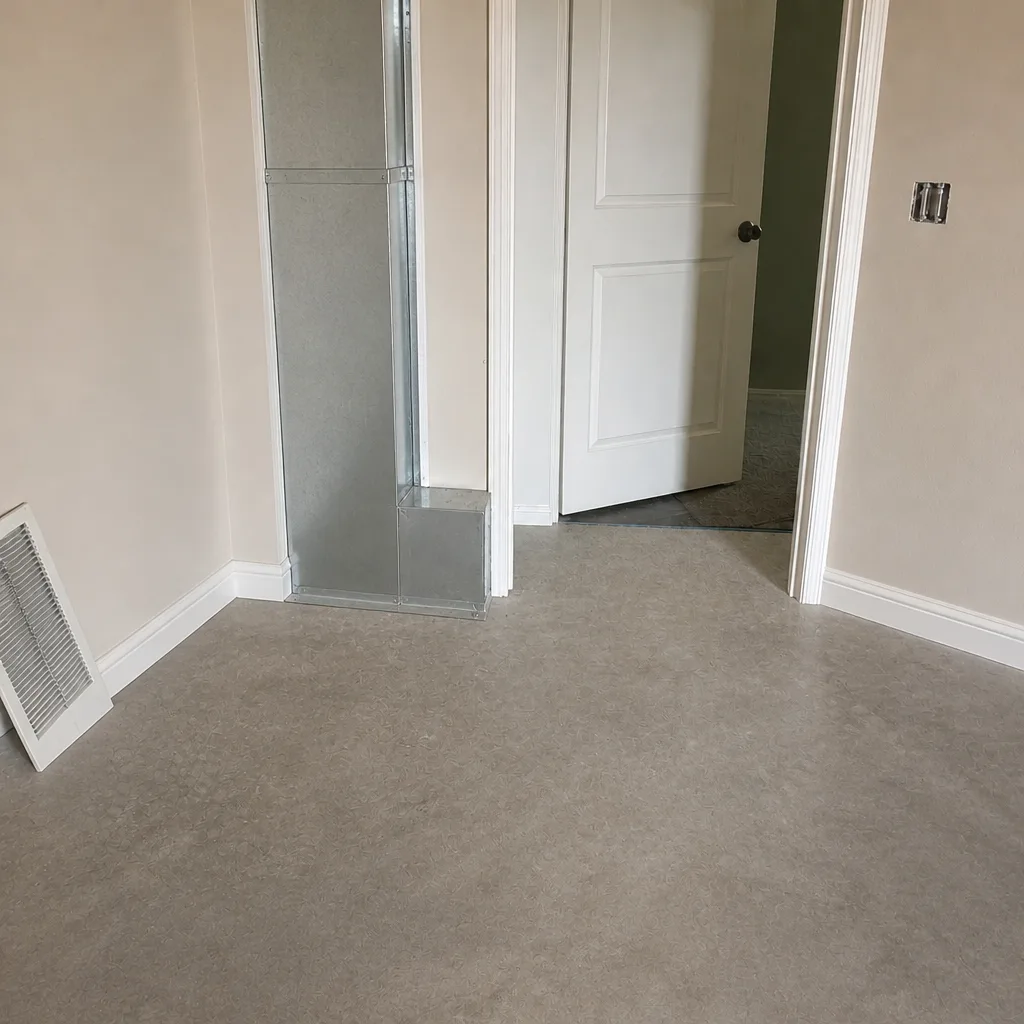 After
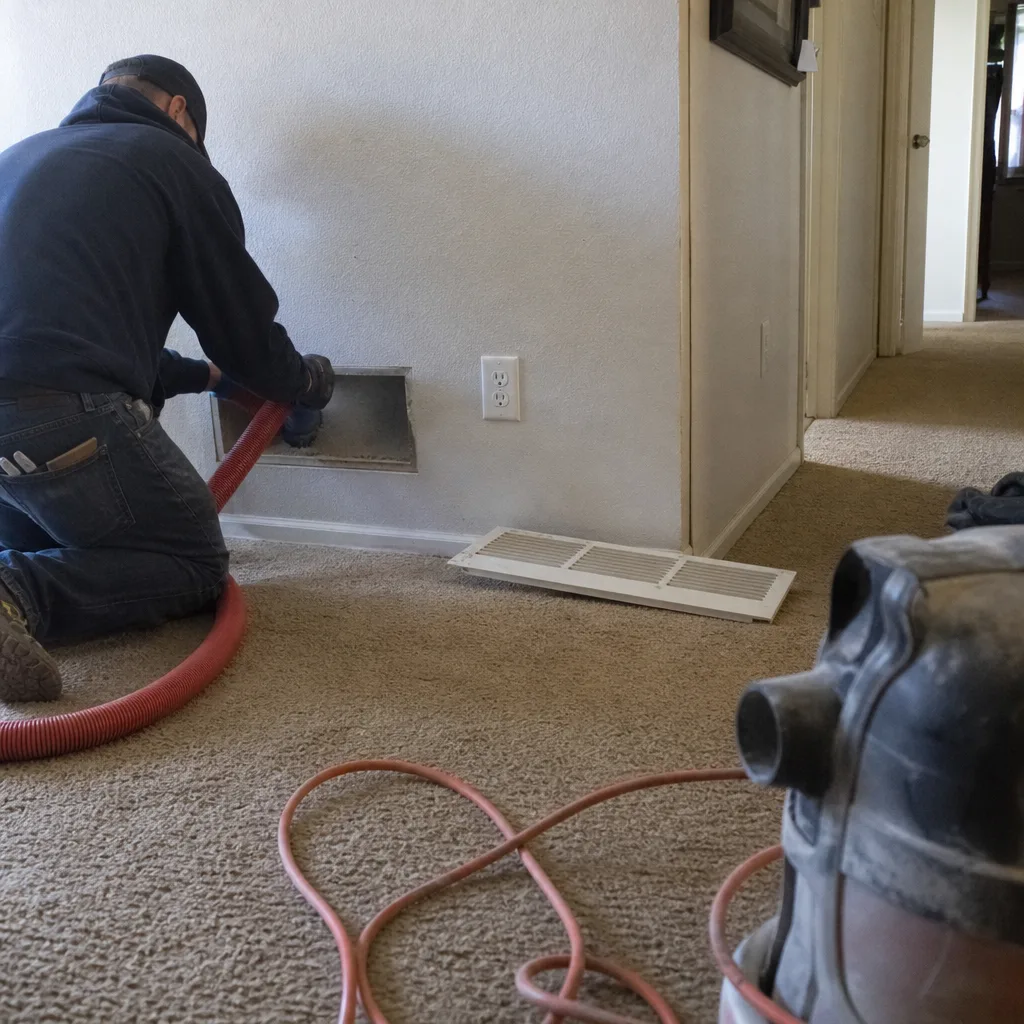 Before
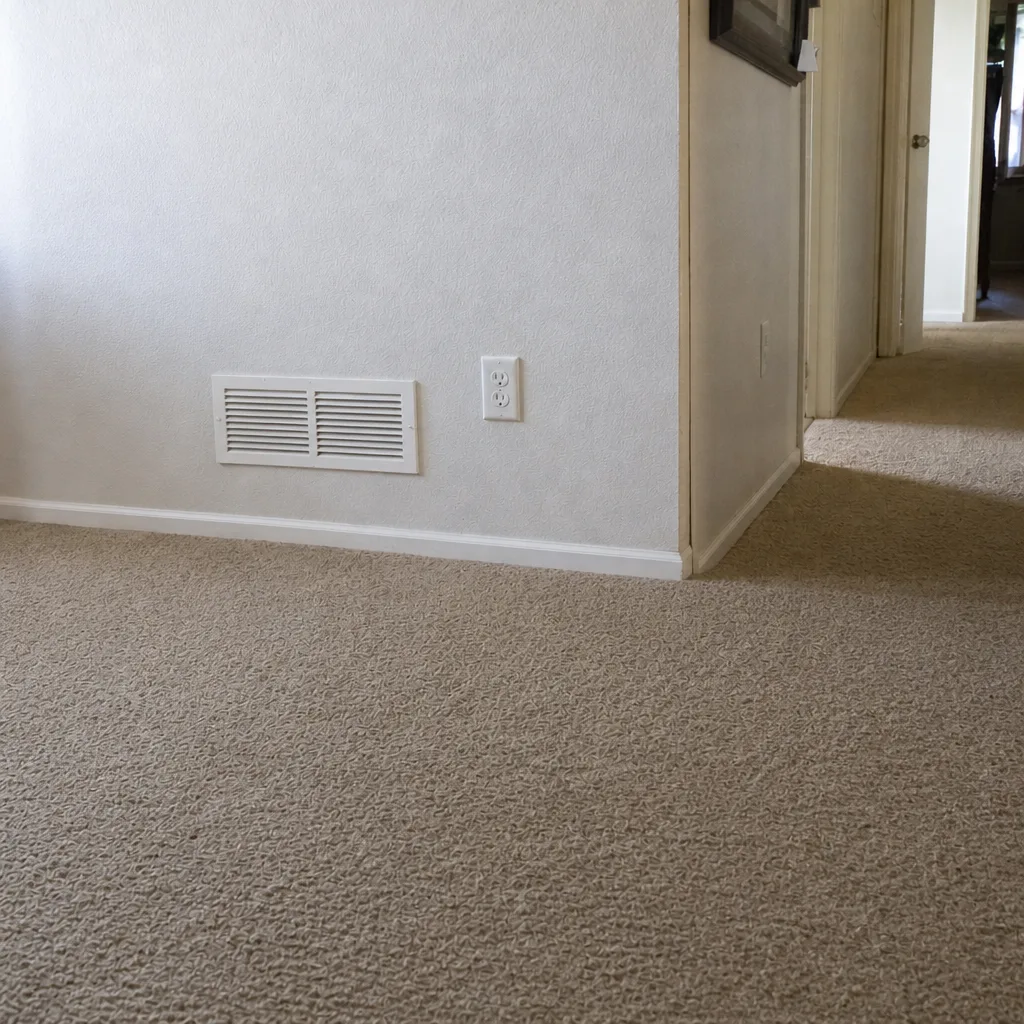 After
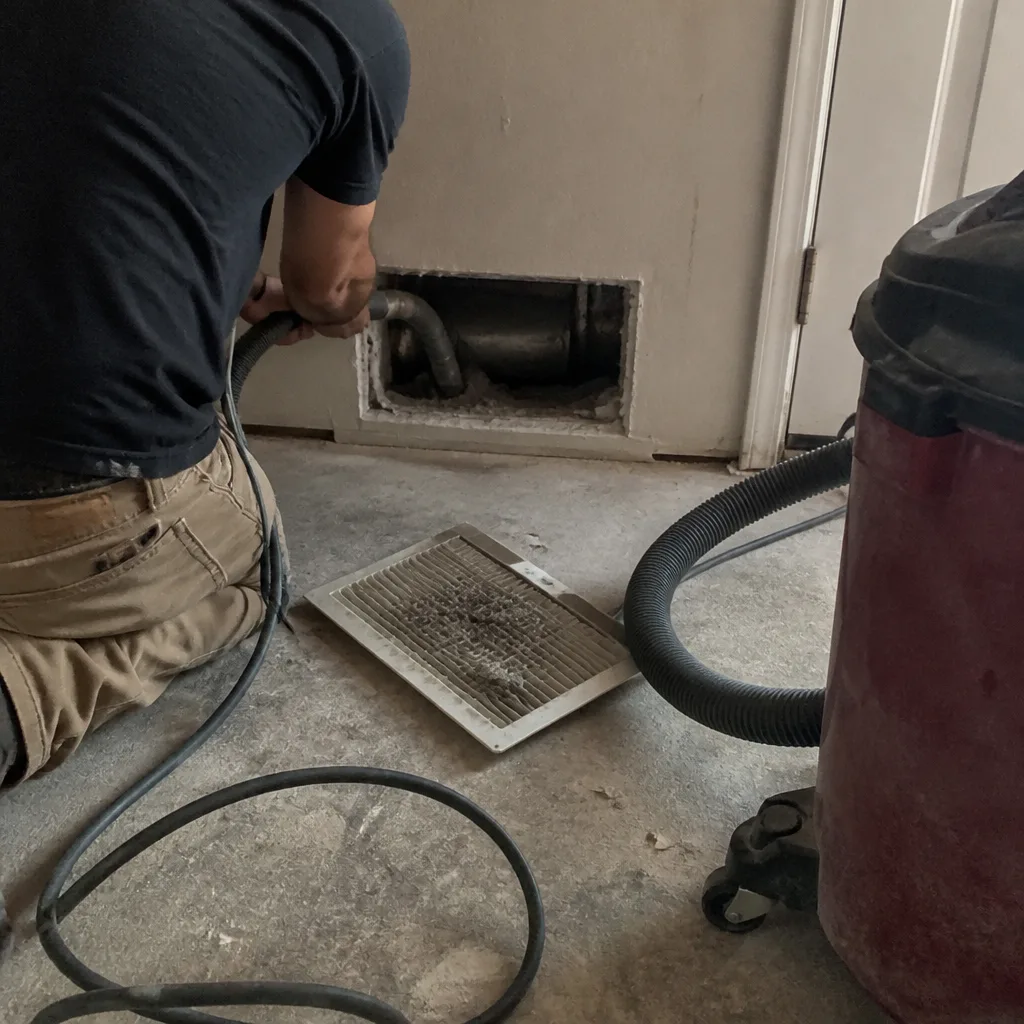 Before
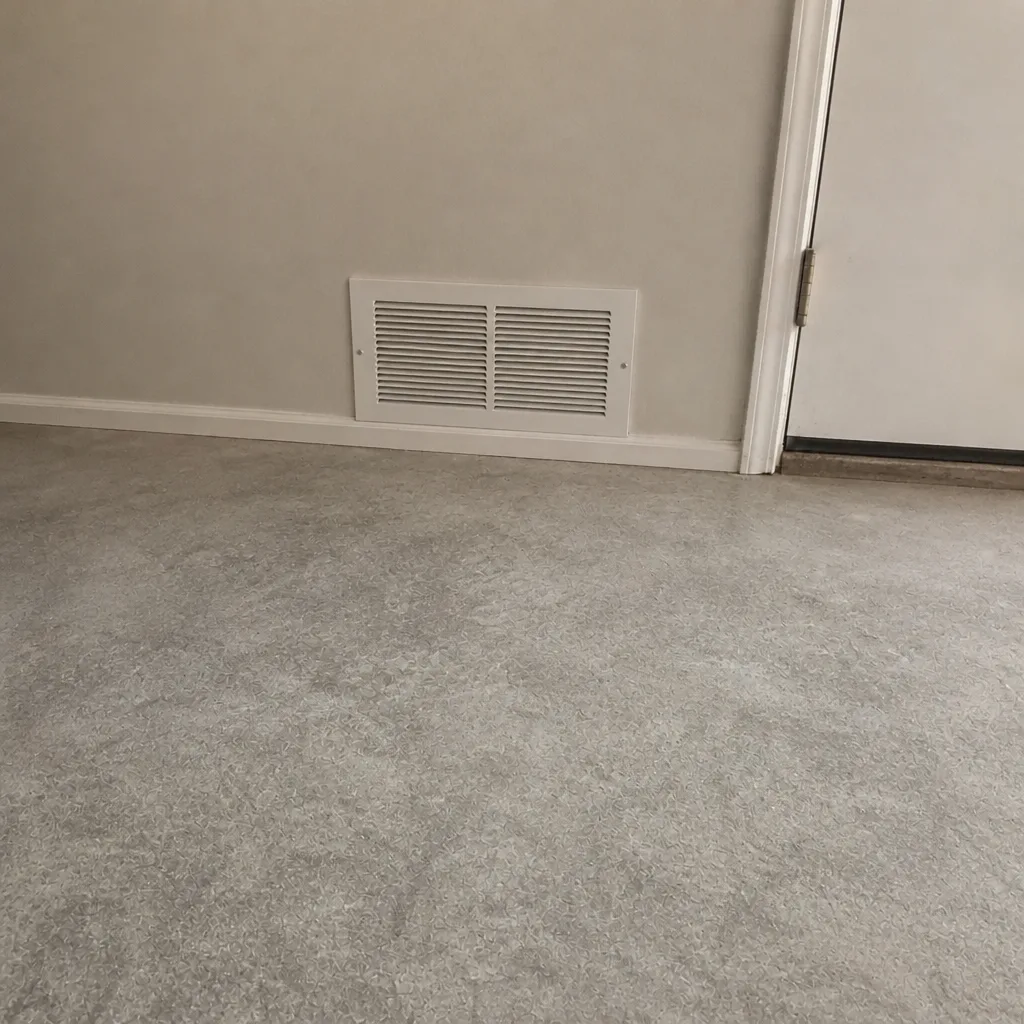 After
When to Call a Professional
Some of the problems in this guide are diagnosable from your living room, but several are not. Call a professional if dust returns in a pattern at the same registers after a cleaning, if you can see uncleaned plenum connections, if airflow dropped and hasn’t recovered, if an odor comes back after a sanitizing treatment, or if any flex duct is visibly crushed, disconnected, or torn. Don’t open the air handler or the coil cabinet if you’re not sure how the panels reseal. Leaks that look minor can cost you airflow and efficiency. Air Duct Cleaning Seven Hills offers free estimates in Seven Hills: call (855) 729-0413. We answer 24/7. Fast dispatch from 7am to 7pm, Sunday through Friday. The price is set per job by the written estimate, and a specialist can confirm whether you need a re-clean, a seal, or a repair.
Frequently Asked Questions
Look for tool marks inside each supply register boot, a cleared pattern at the plenum flex connections, and photos of your own ducts before and after the job. If the last register on a run is still dusty and the plenum collar is untouched, the cleaning didn’t cover the full system. Call (855) 729-0413 to have a specialist confirm what was missed and quote the correction.
Either a return trunk line or a plenum flex connection was skipped, or dry indoor air and static are pulling fine dust onto grilles. Check the boots for tool marks to tell the two apart: clean boots point to an environment issue, dusty boots point to a missed section. Call (855) 729-0413 for an exact quote on a re-clean or an inspection.
Check your filter first, then look for a dislodged or kinked flex duct and make sure every access panel is reseated with its gasket intact. Those are the two most common causes of higher static pressure after a cleaning. Call (855) 729-0413 to have a specialist trace it with a manometer and reseal properly.
If the smell returns unchanged and is strongest near the air handler, the source is likely the evaporator coil housing or the condensate drain pan, not the ductwork. Cleaning ducts doesn’t clean the wet coil surface that grows the biological film. Call (855) 729-0413 and we’ll help you sort a duct issue from an HVAC mechanical issue.
Re-cleaning solves coverage problems: skipped sections, uncleaned plenum joints, and debris left inside runs. Duct sealing solves leaks: temperature differences between rooms, weak airflow, and dust blowing out of accessible joints. A visual inspection after cleaning, with photos, tells you which one you need. Call (855) 729-0413 for a free estimate in Seven Hills.
Most homes need it every two to three years, and sometimes less, rather than on a fixed schedule. The right time is when you can see caked debris, when someone in the home is sensitive to dust, when pets or construction add load, or when you’ve moved into a previously occupied home in Seven Hills. If the evidence points to a need, call (855) 729-0413 for an estimate – it’s free.
The Bottom Line
Dust that comes back fast, airflow that drops, or an odor that doesn’t clear is nearly always traceable. Check the register boot for tool marks, check the plenum flex connection for uncleaned debris, check the coil housing if an odor returns unchanged, and check the filter and panels if airflow is down. Those four checks separate a job that needs re-cleaning from a job that needs sealing, repair, or an HVAC mechanical fix. If you’d rather have a specialist read the evidence with you, call (855) 729-0413 for a free estimate. A systematic inspection beats another cleaning every time.
Written by the team at Air Duct Cleaning Seven Hills.