
Last updated November 24, 2026
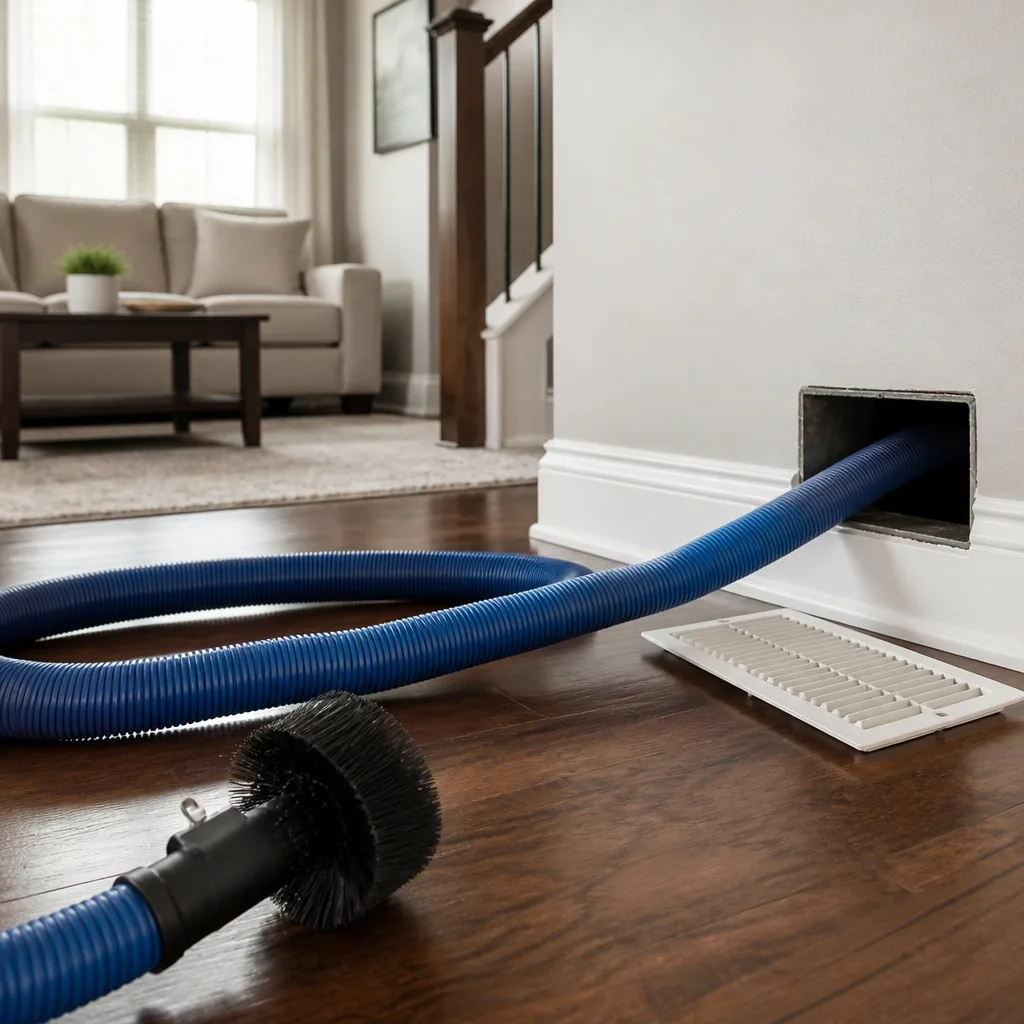 Whole-home duct cleaning
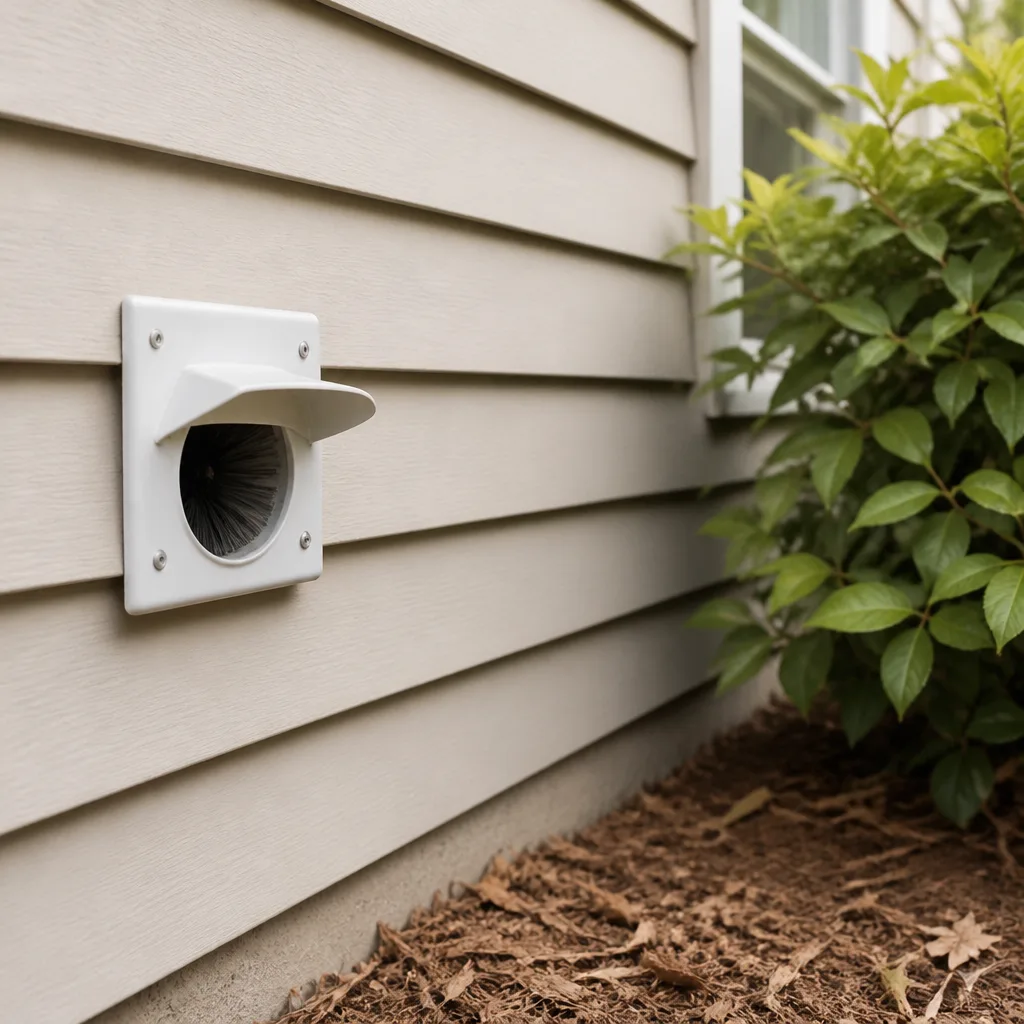 Dryer vent cleaning
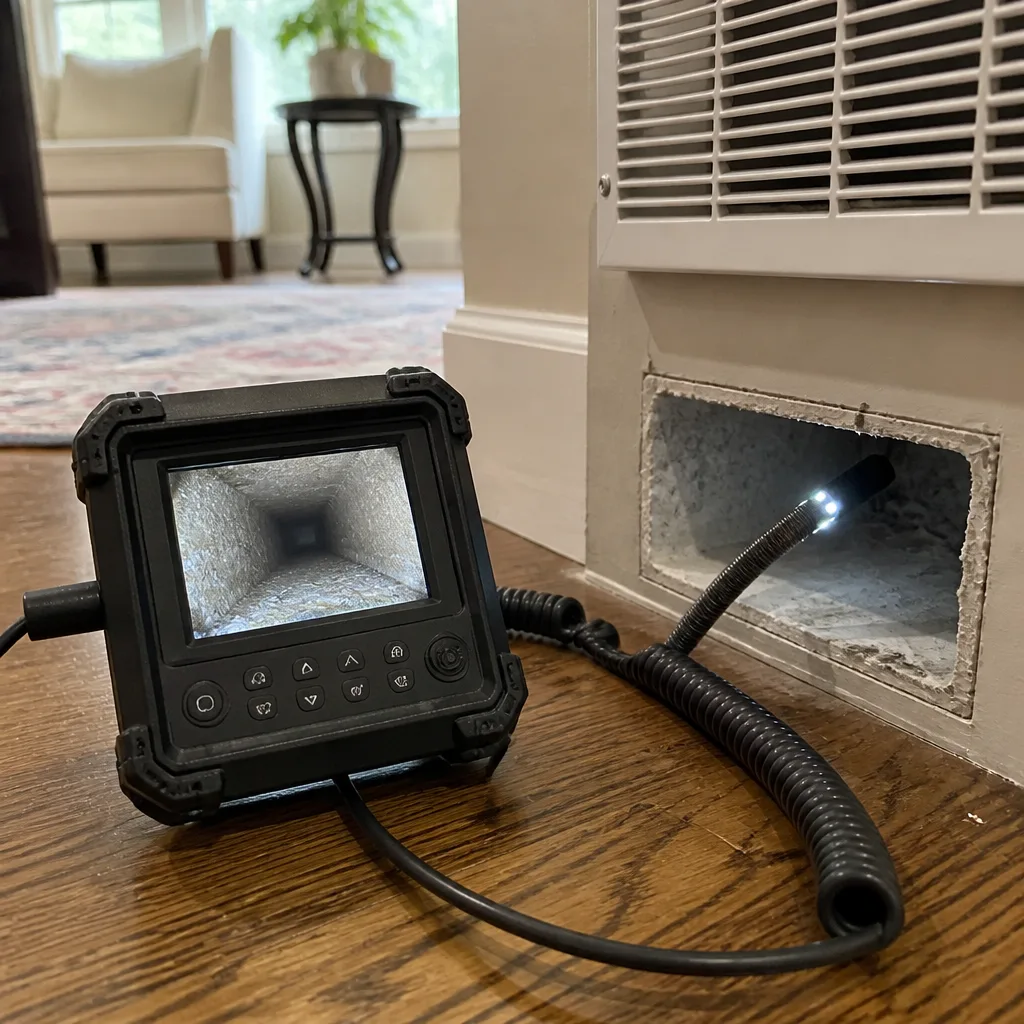 Camera inspection
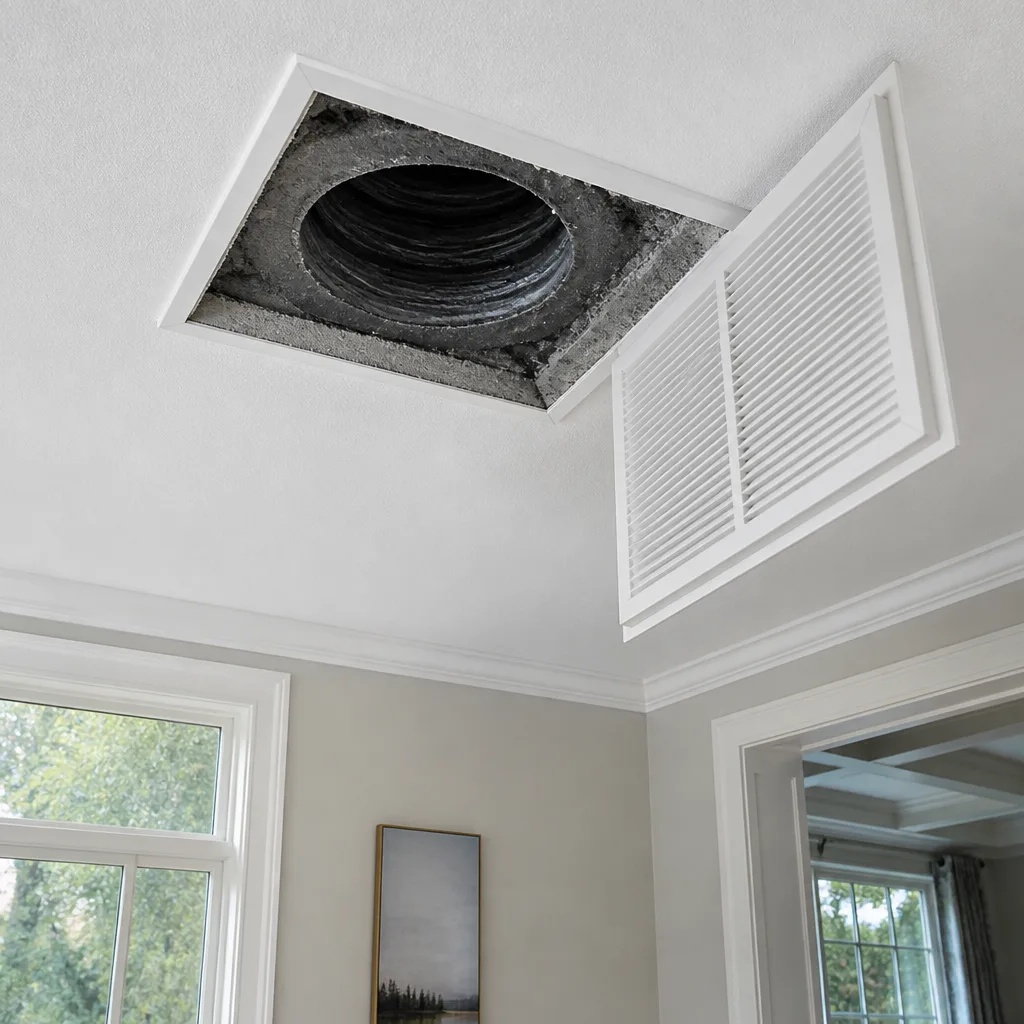 Sanitizing & deodorizing
Whole-system duct and dryer vent check with before-and-after photos - you see exactly what came out of your vents
That "$99 whole-house special" is a bait ad - the real number appears once they are in your hallway, or the "clean" is a shop-vac at the register. We photograph the inside of your ducts before and after instead.
How to Hire an Air Duct Cleaning Contractor in Seven Hills: A Step-by-Step Guide
Colorado does not license air duct cleaning contractors. That single fact reshapes the whole hiring process in Seven Hills. It means the person running a true negative-pressure system with HEPA-rated collection and the person pushing a shop vacuum with a hose adapter can both print a business card that says “air duct cleaning.” Their quotes can land within a few dollars of each other. What separates them isn’t the number at the bottom of the invoice, and it usually isn’t the star rating either. It’s five equipment and process questions, asked before anyone touches your ductwork. This guide gives you those questions, what a credible answer sounds like, and what should make you walk away. We’ll cover the walkthrough, the quote red flags, what documentation to demand, and how Seven Hills homes in particular tend to need the work done.
Quick Answer
Hiring an air duct cleaning contractor in Seven Hills comes down to verifying equipment and process, not reviews. Ask specifically about truck-mount versus portable equipment, HEPA-rated collection, the agitation method, whether an air filtration unit runs on site, and whether you get before-and-after photos. A real specialist answers all five without hedging, prices the whole system rather than per vent, and puts the scope in writing. A generalist HVAC company treating duct cleaning as an add-on usually can’t answer two of them.
Styles & brands we work with
- Whole-home duct cleaning
- Dryer vent cleaning
- Camera inspection
- Sanitizing & deodorizing
Table of Contents
- What Colorado Law Does and Doesn’t Require
- The Five Questions That Separate Specialists from Generalists
- How a Credible Walkthrough Should Go
- Reading the Quote: Red Flags and What They Hide
- What NADCA Membership Means, and What It Doesn’t
- Documentation: Photos, Scope of Work, and Exclusions
- What Seven Hills Homes and Climate Do to Ductwork
- Deciding: The Final Checklist Before You Sign
What Colorado Law Does and Doesn’t Require
Air duct cleaning in Colorado is an unlicensed trade. No state board issues a duct cleaning credential, and no state exam exists for it. That’s not a loophole; it’s just how this trade is classified. The practical consequence for a Seven Hills homeowner is that “licensed” on a website means almost nothing on its own, because there’s no duct cleaning license to hold. Sometimes the person means their general contractor license, which covers construction work and says nothing about whether they know a supply trunk from a return chase.
If there’s no license, what do you verify instead? Three things:
- Liability insurance. Ask for a certificate of insurance naming their business. A contractor working in your home without it is a problem you’ll own if something gets damaged.
- Actual equipment. Not “professional equipment” as a phrase. Brand names and model types. You’ll see why that matters below.
- A written scope. Before work starts, not after. More on this in the documentation section.
Colorado cities and counties set their own permit rules for construction work, and a duct cleaning job by itself generally doesn’t pull a permit. But duct repair, replacing sections of rigid duct, or adding a run to a finished basement often does. If your Seven Hills home sits on a slab with ducts poured into the concrete, repairs get more involved, and that’s exactly the kind of work where you want a written scope before anything is opened up. When in doubt, ask the contractor which parts of the job need a permit from your city’s building department. A specialist knows the answer; a fly-by-night operation will look confused, then change the subject.
The Five Questions That Separate Specialists from Generalists
This is the core of the guide. Ask these in order, and listen for the answer, not the confidence of the delivery. We’ve been on the answering side of these questions long enough to know which ones make a generalist HVAC company squirm.
- “Truck-mounted or portable unit, and how much airflow does it move?” A truck-mount ties into a large cyclonic vacuum through a hose run to your door. Portables range from serious negative-pressure machines to glorified vacuums. What you’re listening for: a specific machine, and an awareness that a portable unit needs to be sized to the home. If the answer is “we bring our equipment,” ask again, more specifically.
- “Do you run HEPA filtration on the collection side?” This is the question that separates remediation-level work from a surface clean. HEPA collection traps the fine particulate you’re trying to remove instead of exhausting it back into the room. Abatement Technologies systems are one example of equipment built for exactly this. The right answer is yes, plus a plain explanation of why.
- “What’s your agitation method?” Vacuum alone doesn’t move caked dust off duct walls. Agitation is what breaks it loose: rotary brush systems, air whips, or compressed-air tools. Rotobrush rotary systems are a common specialist answer, and the follow-up should name which duct types they use which tool on.
- “What’s the process from start to finish, and how do you sequence it?” The correct order puts contamination under negative pressure before agitation begins, seals supply and return registers, then cleans, then verifies. If the contractor describes starting to clean without containing the space first, you have your answer.
- “Will you photograph the inside of the ducts before and after, and share them with me?” Not a promotional photo from a brochure. Photos of your ductwork, before and after, on the day of work. A specialist with a camera on the agitation tool will say yes immediately. If the answer is “we don’t usually,” that’s the same as “you can’t verify any of the rest of this.”
Those five questions take about four minutes on the phone. They will eliminate most of the field. If you’d rather not run the interview yourself, you can start with a specialist who already has the answers and ask them the questions anyway, as a check.
How a Credible Walkthrough Should Go
A duct cleaning quote given over the phone without anyone looking at your system is a guess. A real walkthrough takes 15 to 30 minutes and the contractor should be doing most of the talking, asking about your home. If they walk in, look at the furnace, and hand you a price in five minutes, they’re quoting a template, not your house.
Here’s what a credible Seven Hills walkthrough sounds like, in order:
- They count every register and return. Not “about twelve.” An accurate count matters because it’s the basis of a real system price, and it tells them how much a single trunk run is actually carrying.
- They ask about the system’s history. When was the HVAC replaced? Has the system been added onto? Any rooms that never get warm or cool? That last question alone reveals more about duct condition than any visual check.
- They look at the returns. Most dust in a home settles in the returns first, and a return with a grille caked in dust tells the contractor what the supply side will look like.
- They check the furnace filter and the blower. If the filter hasn’t held up, the blower compartment and coil are the downstream story. This is often where a duct cleaning quote should have been an HVAC cleaning quote too.
- They ask about pets, kids, allergies, and recent renovations. Renovation dust and animal dander change how a job is scoped, and a contractor who doesn’t ask is working blind.
- They find the dryer vent. If the dryer is in a closet or the vent runs a long path through a finished wall, that’s a separate service with its own fire-safety logic. Our dryer vent cleaning is offered alongside duct work for exactly this reason, because a duct cleaning that ignores a clogged dryer vent leaves one of the biggest household risks untouched.
- They tell you what they can and can’t see. No one can promise what’s inside a rigid duct in a finished ceiling until they’re in it with a camera. A good walkthrough says so and prices the cleaning accordingly.
By the end, you should know what will be cleaned, what will be checked, and what might turn up that changes the plan. In Seven Hills, where homes range from older ranch builds to newer construction with flexible duct runs, that “what might turn up” often includes crushed flex sections in a crawl space or a duct run someone spliced badly during a remodel. A walkthrough that accounts for that is a walkthrough worth paying for.
Reading the Quote: Red Flags and What They Hide
Here’s where the industry’s bait-and-switch reputation comes from, and it’s not a myth. The problem is structural. A per-vent price rewards speed. If a contractor charges by the vent, every vent cleaned in four minutes instead of fifteen is money in their pocket, and there’s no camera in your duct to prove which happened.
Watch for these on any Seven Hills quote:
- Per-vent pricing. It incentivizes a rushed pass over each register rather than a full trunk and branch clean under negative pressure. A whole-system price tied to your actual register count is honest; a per-vent rate is a speed incentive.
- “Sanitizer included!” as the headline. Sanitizing has a place, but it’s not a substitute for cleaning, and bundled sanitizer is usually a lead hook. The cleaning is the service; sanitizing is an add-on that should be priced and explained, not thrown in to make the number look bigger. We apply Guardsman-grade sanitizing treatments to cleaned duct interiors and quote them as a separate line, because that’s what they are.
- A flat rate far below everyone else. When one quote is a fraction of the others, the difference is almost always equipment, time, or both. Somebody is running a weaker machine, skipping agitation, or planning to hand you a larger bill once the truck is in your driveway.
- No written scope. If you can’t read what’s included and what’s excluded, you can’t hold anyone to anything.
- A “free inspection” that turns into a sales pressure session. A duct cleaning quote should be a quote. A pitch that escalates to air purifiers and filtration packages before you’ve seen a single photo of your ductwork is a sales script, not an assessment. We do offer Aprilaire filtration solutions after cleaning, but as an option you decide on later, not a surprise on the invoice.
The real question every homeowner is trying to answer is: how do I know the work was actually done? The honest answer is documentation and equipment, never a persuasive delivery. Hold out for before-and-after photos of your own ducts, a written scope, and a price that doesn’t rely on you not looking.
What NADCA Membership Means, and What It Doesn’t
NADCA is the National Air Duct Cleaners Association, and it publishes the assessment, cleaning, and restoration standard the trade generally works from, along with an inspection certification and a code of ethics for members. When a Seven Hills contractor says “NADCA member,” they’re telling you they’ve agreed to a standard of practice and joined a trade body that has one.
What it guarantees: a baseline of professional affiliation and access to the accepted standard. What it doesn’t guarantee: the equipment on the truck, the technician’s training, the price, or the outcome. Membership is a floor, not a ceiling. The person with the membership and a weak portable unit is still a weak option.
How to verify it:
- Ask for the member number, not just the claim. NADCA publishes a member directory that lets you confirm the listing.
- Ask which certification the technician holds. The inspection certification (often called the ASCS) is a training credential tied to assessment skill. A membership and a certified tech are two different things, and the best operations can name both.
- Ask what standard they clean to. If they can’t tell you the standard exists, the membership claim is decoration.
In our experience, the equipment question is more useful than the membership question, because equipment is what actually goes into your ductwork. But both belong on your checklist. A contractor who answers “yes” to NADCA and then can’t explain HEPA-rated collection is telling you the membership is the only professional signal they have.
Documentation: Photos, Scope of Work, and Exclusions
Before anyone starts, you should have three pieces of paper (or three emails): a written scope of work, a fixed price for the work in that scope, and a commitment to before-and-after photos. That’s it. Everything else is conversation.
The scope of work should answer these questions:
- Which components are being cleaned? Supply trunk and branches, return ducts, registers and grilles, the plenum, the furnace blower? “Ductwork” is too vague to hold anyone to.
- Which aren’t, and why? Some runs can’t be reached safely. If a duct is hidden behind a finished wall or in a tight crawl, that should be named in the exclusions, not discovered by you later.
- Is agitation included, or is that an upsell? If a low quote has agitation as a paid extra, it’s not a low quote.
- Is sanitizing included or separate? Either answer is fine as long as it’s on the page.
- What’s the process if the inspection finds damaged ductwork? Because it will, sometimes. This is where a full-lifecycle specialist earns the premium: we handle air duct cleaning, duct repair and sealing, and air quality sanitizing all under one roof, so you don’t have to hire a second contractor to fix what cleaning exposes. If the contractor you’re evaluating doesn’t offer repair and sealing, ask who they recommend, and ask how often they recommend that person. The answer tells you whether they’re a specialist or a lead-gen operation.
Commit to the before-and-after photos in writing too. Our technicians document the ducts they clean, and so should anyone else working in a Seven Hills home. The photos are your evidence, and they’re also the only way to know whether the ducts stayed sealed after a repair.
What Seven Hills Homes and Climate Do to Ductwork
Seven Hills is a foothills community above the Denver metro, and that geography shows up inside your ducts. Two things matter most for duct cleaning here.
First is the furnace season. Seven Hills winters are dry and cold, which means the furnace runs hard for months and the supply ducts heat and cool through thousands of cycles. Over time, that expansion and contraction loosens taped flex joints and pulls apart poorly sealed connections. When a flex run separates in a crawl space or a joist bay, heated air dumps into the structure instead of the room, and the room it was meant to serve never quite warms up. That’s a duct repair and sealing problem wearing the costume of an airflow problem.
Second is wildfire smoke season. The Front Range foothills get smoke from regional fires with some regularity, and much of Seven Hills sits close enough to open space to get a full dose. Smoke pulls its way in through every return in the house, and fine particulates settle in return ducts and on the filters. Families who notice a faint smoky smell lingering after the skies clear are often reading their ductwork, not their nose. Filtration and air quality solutions, including Honeywell and Aprilaire products we offer after cleaning, are designed to address the air that’s already circulating; the ducts need to be clean first for those to work as intended.
Housing stock matters too. Some Seven Hills homes were built in the 1970s and 1980s, with rigid metal trunk lines that hold up well but collect decades of dust along the seams. Others are newer, with flexible duct runs that are easier to clean but more vulnerable to a careless installer who crushed a section around a framing member. Duct repair and sealing work we see in this town skews toward both ends of that timeline, and a walkthrough should tell you which one you’re in.
Deciding: The Final Checklist Before You Sign
By the time you’ve run the five questions, done the walkthrough, read the quote for red flags, and looked up the NADCA listing, the field should be down to one or two contractors. Here’s the checklist that closes it:
- The equipment is named. A truck-mount or a properly sized negative-pressure portable, HEPA-rated collection, a rotary or air-whip agitation method. If someone says “Rotobrush” or “Nikro,” you know you’re in specialist territory because those are the brands remediation contractors actually use.
- The price is for the whole system. Tied to your register count, agreed before work starts, in writing.
- The walkthrough asked about your home, not just your ducts. Pets, renovations, problem rooms, system history.
- Before-and-after photos are promised. Of your ducts, on the day.
- Repair and sealing are available if the cleaning finds a problem. The best cleaning in the world doesn’t fix a duct that got crushed in 1985.
- The dryer vent got its own conversation. It’s a fire risk, not a footnote.
- The contractor answered all five questions without reaching for a brochure. Confidence comes from doing the work, not from saying you do.
If we can help you run that checklist against a real quote, we will, whether or not the quote is ours.
Common Mistakes to Avoid
- Choosing by price alone. The cheapest quote in Seven Hills is usually the least thorough, and that’s the point of it. Equipment and time are what you’re buying, and both cost money.
- Accepting a phone quote without a walkthrough. A price quoted sight-unseen is a template price, not a price for your home, and it will move once someone sees the ductwork.
- Trusting “sanitizer included” as a main selling point. Sanitizing a dusty duct doesn’t clean it, and the cleaning is the service you’re actually paying for. A quote lead with sanitizer is usually a quote with weak cleaning behind it.
- Never asking about HEPA-rated collection. This is the single question that separates remediation-grade work from a surface pass, and skipping it is how homeowners end up with the same dust back in the ducts.
- Not asking for before-and-after photos. A contractor without a camera process can’t show their work, and you can’t verify it was done. The photo is the proof.
- Assuming a generalist HVAC company is a duct cleaning specialist. Duct cleaning is an add-on to them, and the equipment on the truck usually reflects that. Ask what’s on the truck before you ask about the price.
- Ignoring the dryer vent. It runs through the same house, it’s a leading cause of house fires when it’s clogged, and it doesn’t get cleaned by a duct cleaning unless the scope says so. In a foothills home with a long interior vent run, that’s a gap worth closing.
See the difference
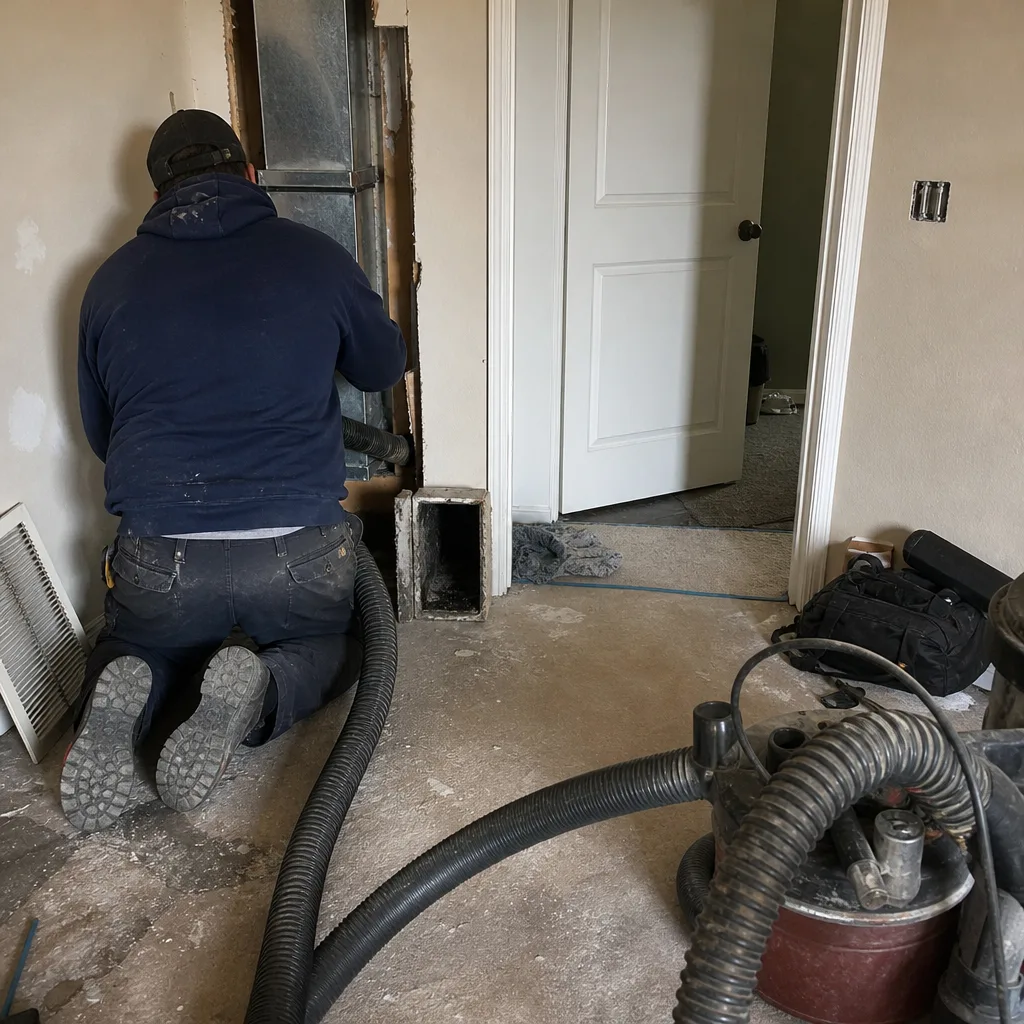 Before
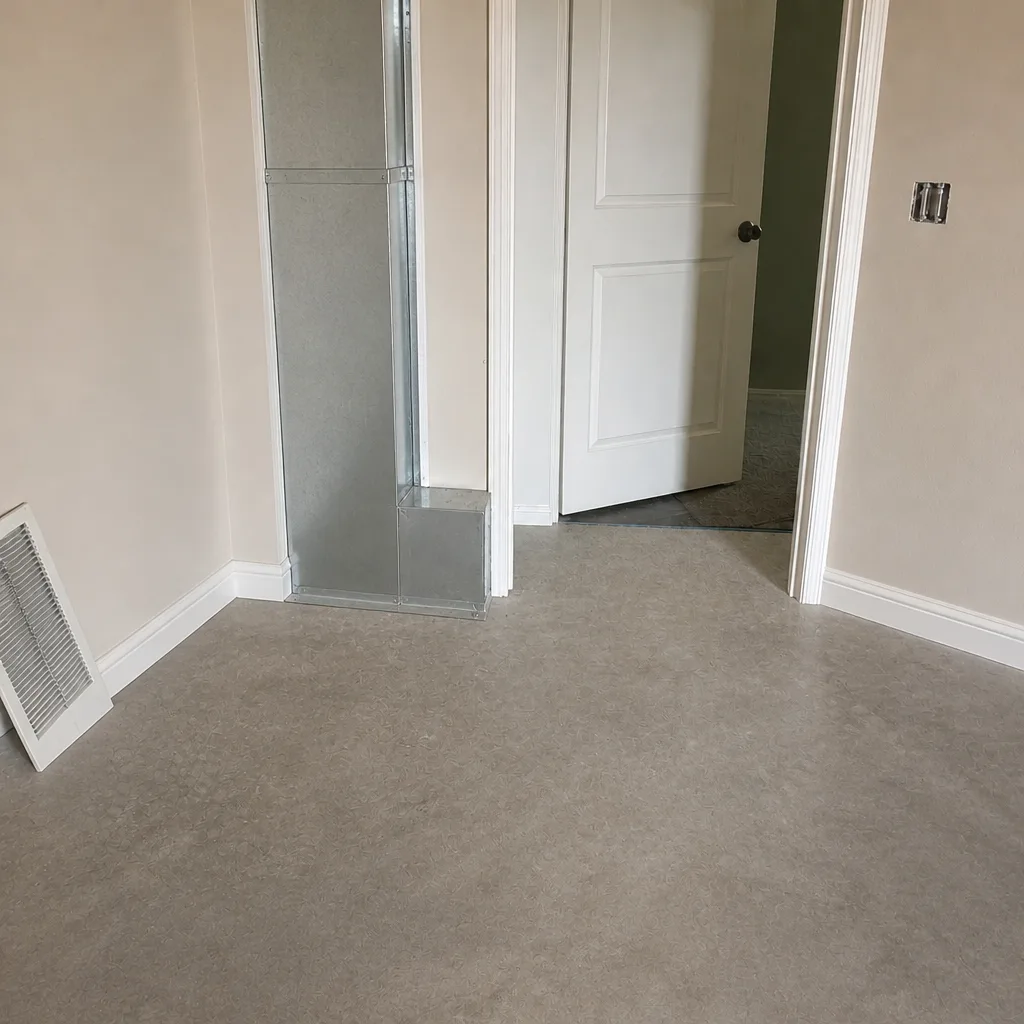 After
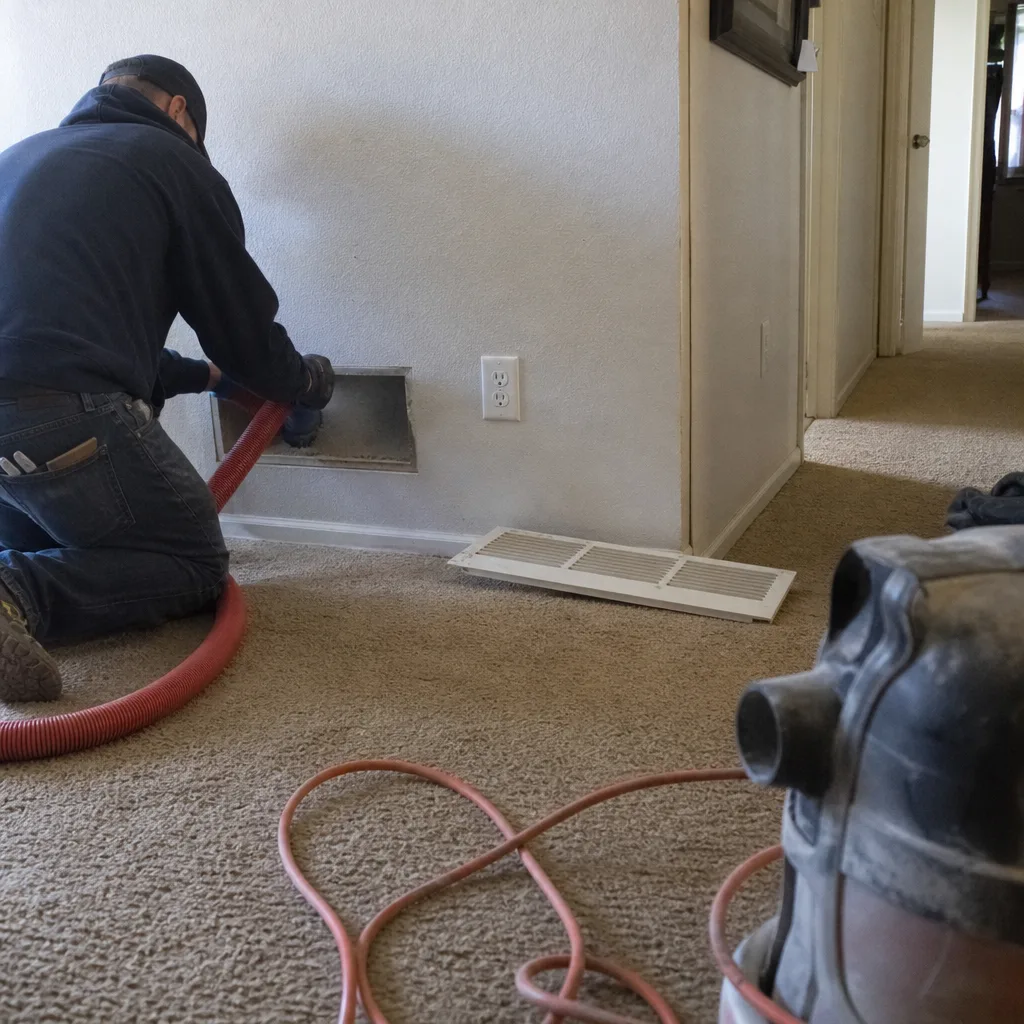 Before
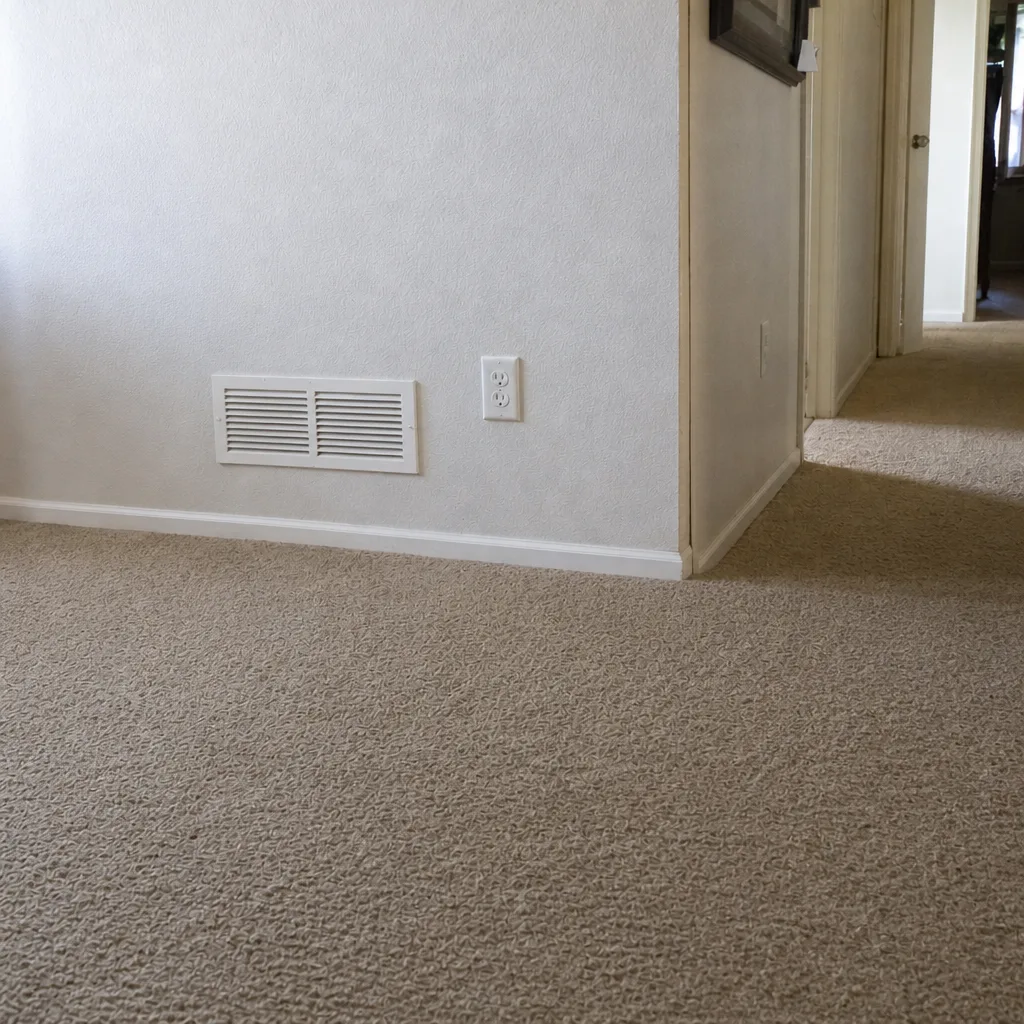 After
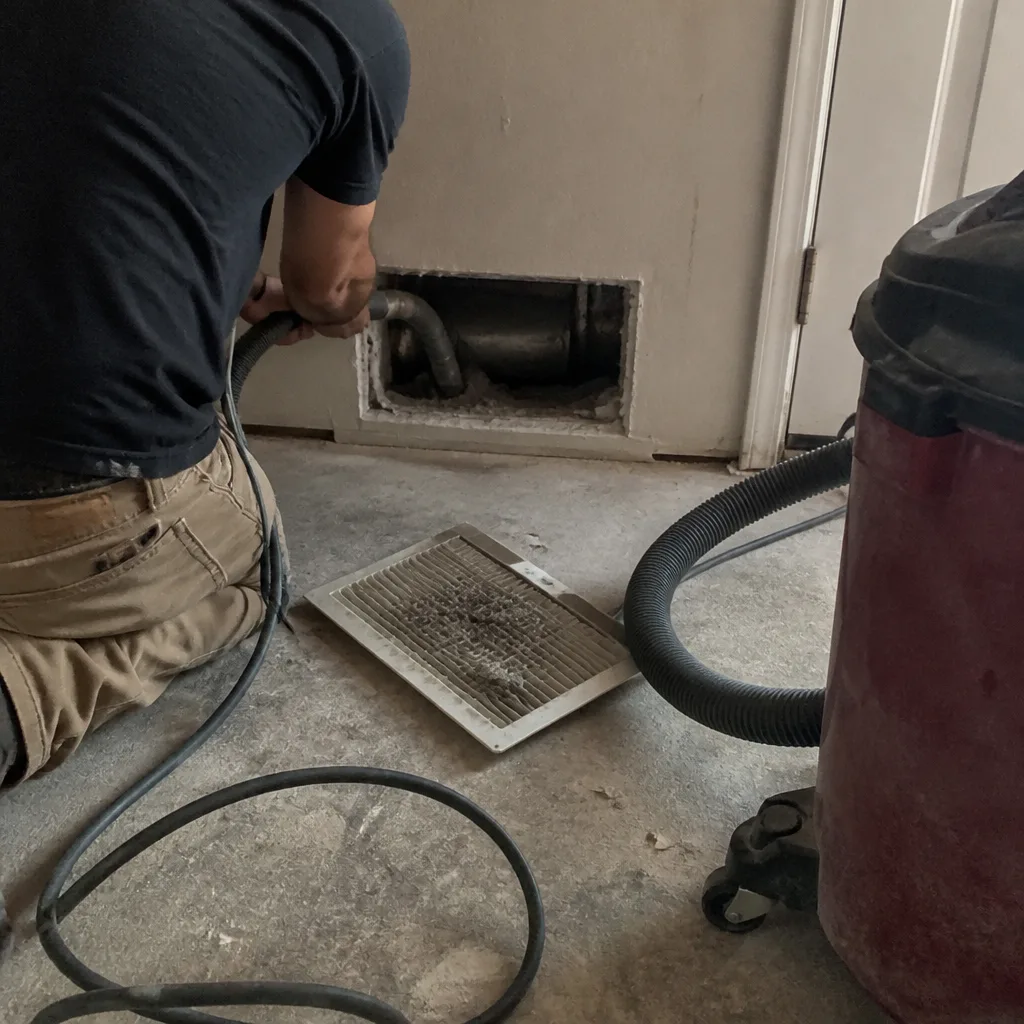 Before
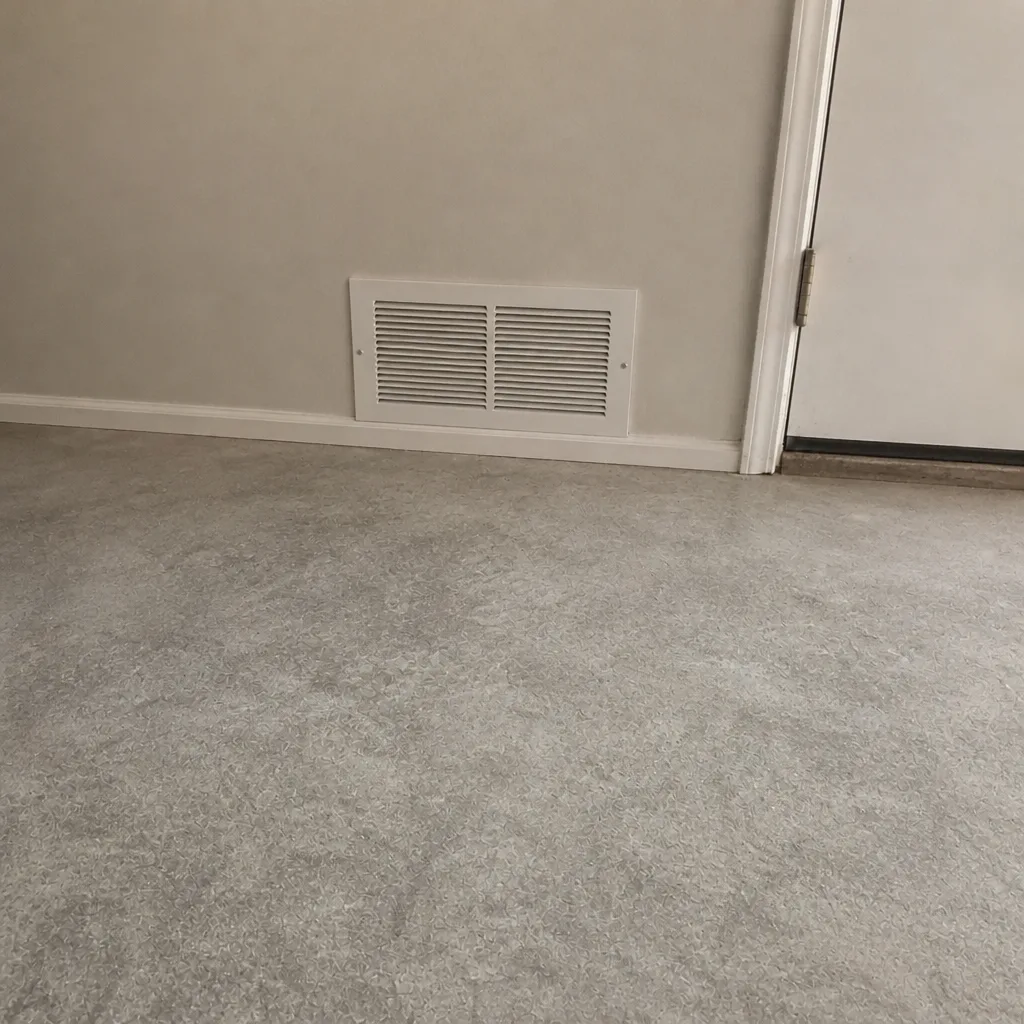 After
When to Call a Professional
Not every home needs duct cleaning, and we’d rather tell you that than sell you the wrong job. Call when there’s a reason: a noticeable dust film returning to the tables a day or two after cleaning, a musty or smoky smell that comes out of the registers when the furnace kicks on, reduced airflow in a specific room that didn’t used to be that way, or a return duct with visible dust buildup around the grille. Call after a renovation that produced a lot of drywall dust and fine debris, since that material settles everywhere the air goes. Call when someone in the home has allergies that get worse indoors, or when you’ve moved into a Seven Hills home and have no idea what the system has been through. Call if the dryer takes two cycles to dry a load, because that’s the dryer vent, and it’s a fire risk, not a nuisance. Air Duct Cleaning Seven Hills offers free estimates in Seven Hills. Call (855) 729-0413.
Frequently Asked Questions
Air duct cleaning in Seven Hills is priced per system, based on your register and return count and what the walkthrough finds, and you get a written estimate before any work starts. We don’t quote per vent, because per-vent pricing rewards speed over thoroughness. Call (855) 729-0413 for an exact quote. Estimates are free.
No. Colorado does not license air duct cleaning, so no contractors in Seven Hills or anywhere else hold a state duct cleaning license. That’s why verification has to run on equipment, insurance, written scope, and documentation instead. Ask for a certificate of insurance and the brand of the equipment, and treat “licensed” as a claim that needs a specific meaning.
Because something is missing from the job. Cheaper quotes typically mean weaker equipment, no HEPA-rated collection, skipped agitation, or a plan to add charges once the contractor is in your driveway. Equipment and time cost money, and a price far below the field usually reflects less of both. Call (855) 729-0413 for a quote built on a walkthrough. Estimates are free.
Before-and-after photos of your own ducts, in writing, from the same visit. A camera on the agitation tool is standard equipment for a specialist, and the photos should show the interior of the duct before cleaning and after. Pair that with a written scope naming the components cleaned and the components excluded. Call (855) 729-0413 to see how that documentation works. Estimates are free.
There’s no universal schedule, and anyone who tells you there is one is selling you something. Most homes are fine every several years, while homes with pets, recent renovations, allergy concerns, or wildfire smoke exposure tend to need it sooner. The honest test is visible dust, odor, and airflow, not a calendar. Call (855) 729-0413 and we’ll tell you what the walkthrough shows. Estimates are free.
NADCA membership signals that a contractor has agreed to the trade’s standard of practice, and it’s worth verifying, but it doesn’t guarantee the equipment on the truck or the outcome in your Seven Hills home. Use it as a floor, not a ceiling. The equipment questions and the walkthrough tell you more than the membership alone. Call (855) 729-0413 to ask us the five questions directly. Estimates are free.
The Bottom Line
Hiring a duct cleaning contractor in Seven Hills is a verification exercise, not a popularity contest. Ask about truck-mount versus portable equipment, HEPA-rated collection, agitation method, process sequencing, and before-and-after photos. Demand a walkthrough that asks about your home, not just a five-minute furnace look. Watch the quote for per-vent pricing, sanitizer hooks, and flat rates that were never going to be that flat. Let NADCA membership count as a floor, then look past it to the equipment. And put the scope, the price, and the photo commitment in writing before anyone starts. If a repair turns up, you’ll want it handled by the same specialist doing the cleaning. Our technicians have up to 10 years of experience, we use professional-grade Rotobrush and Nikro equipment alongside Abatement Technologies filtration on every job, and we offer HVAC cleaning when the walkthrough shows the problem runs deeper than the ducts. We answer 24/7. Fast dispatch from 7am to 7pm, Sunday through Friday. Call (855) 729-0413 for a free estimate.
Written by the team at Air Duct Cleaning Seven Hills.