
Last updated November 24, 2026
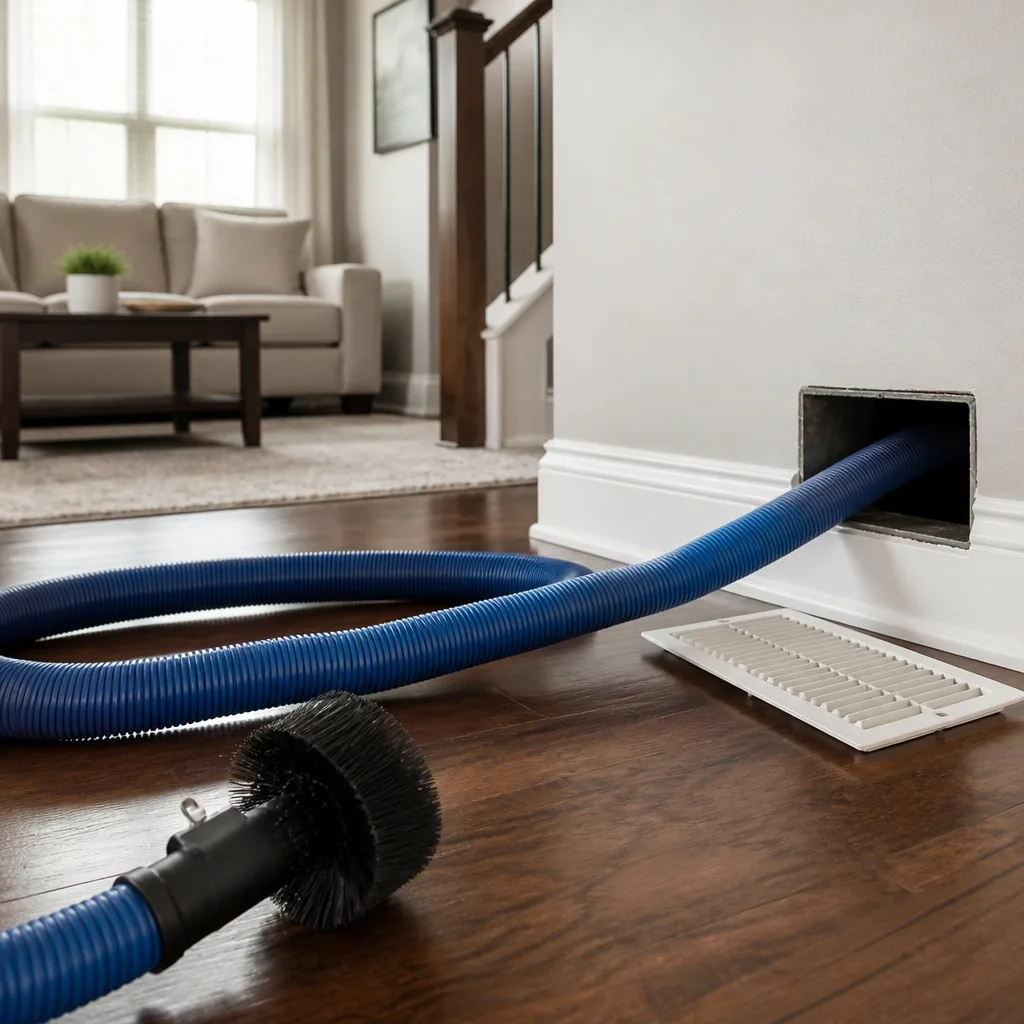 Whole-home duct cleaning
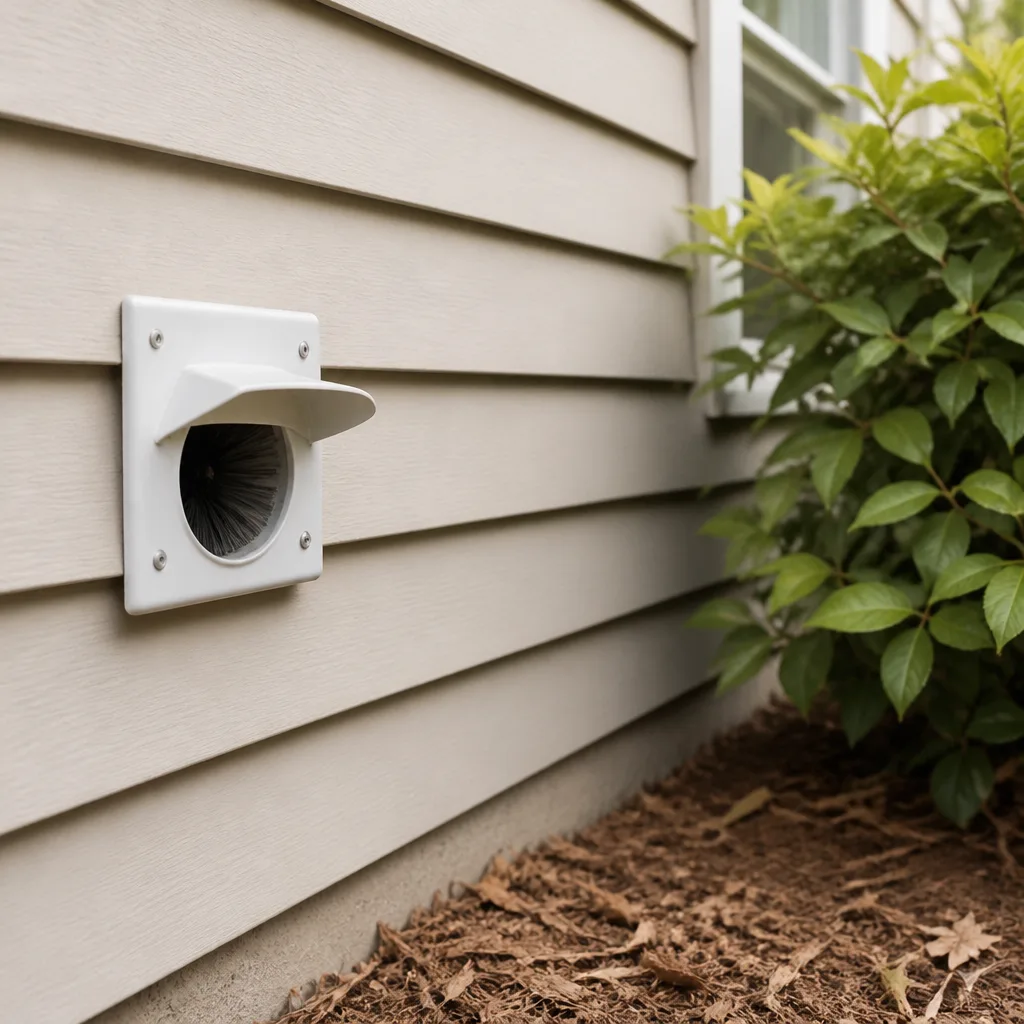 Dryer vent cleaning
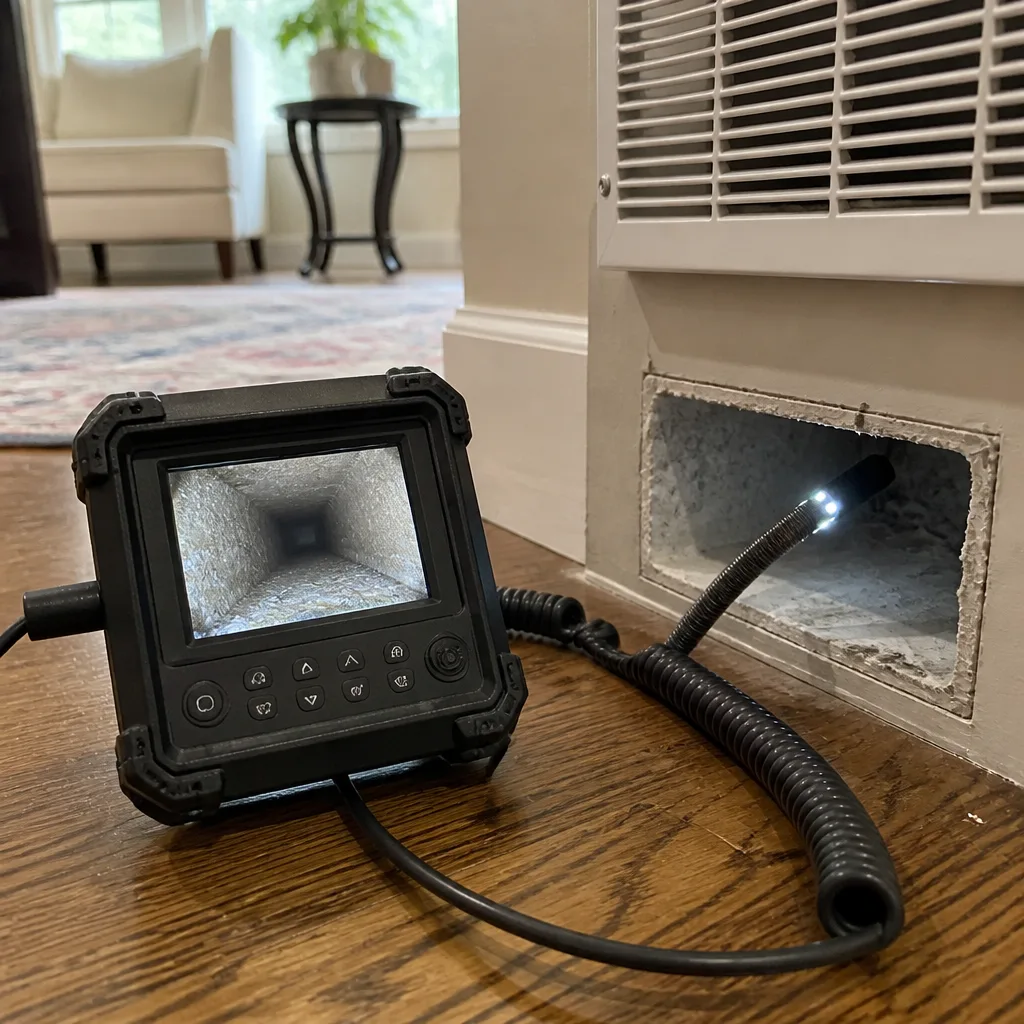 Camera inspection
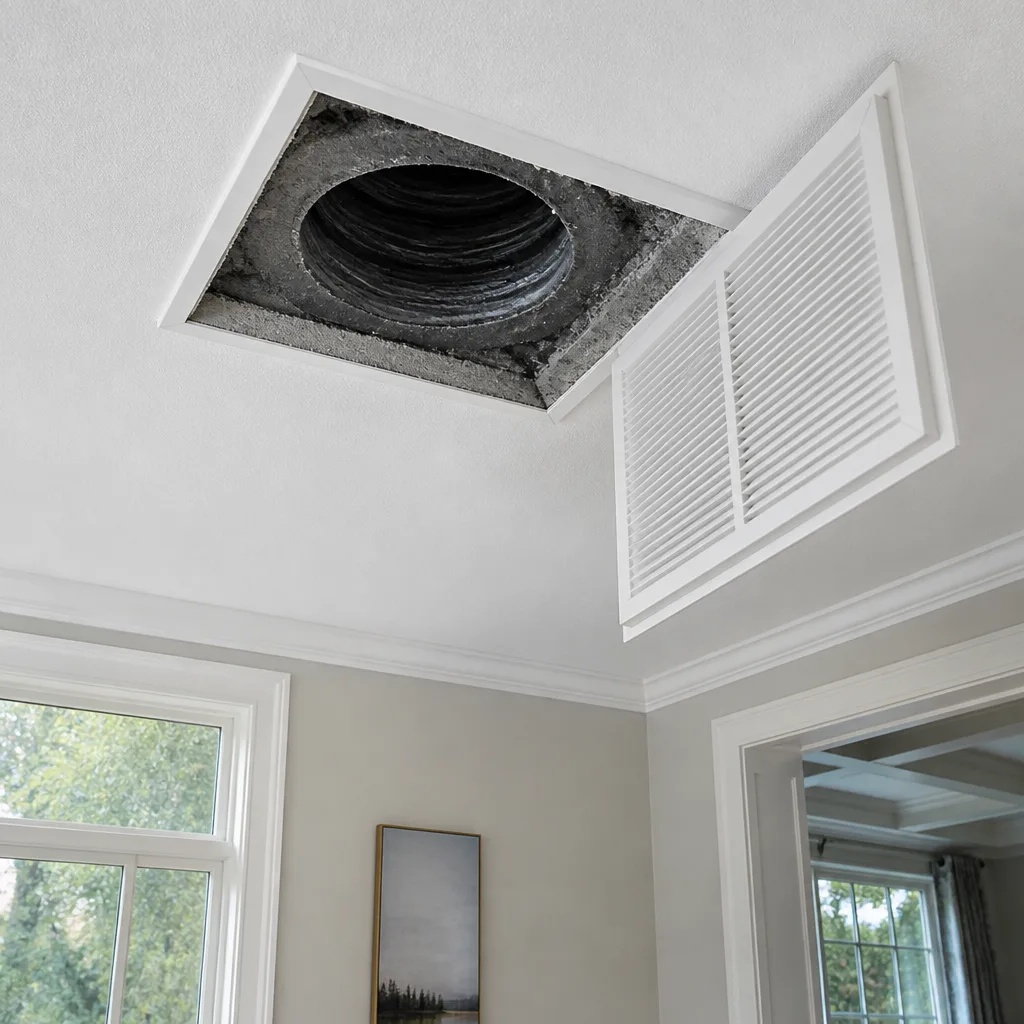 Sanitizing & deodorizing
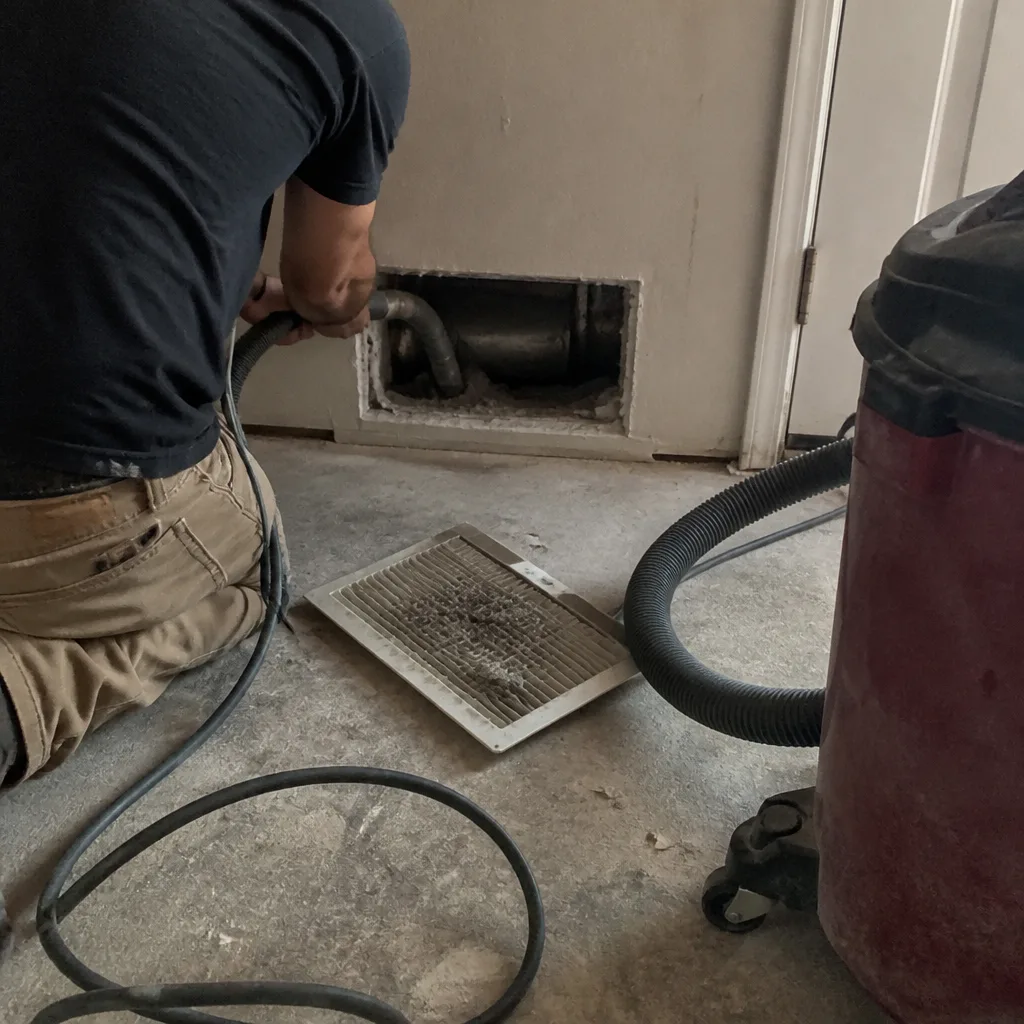
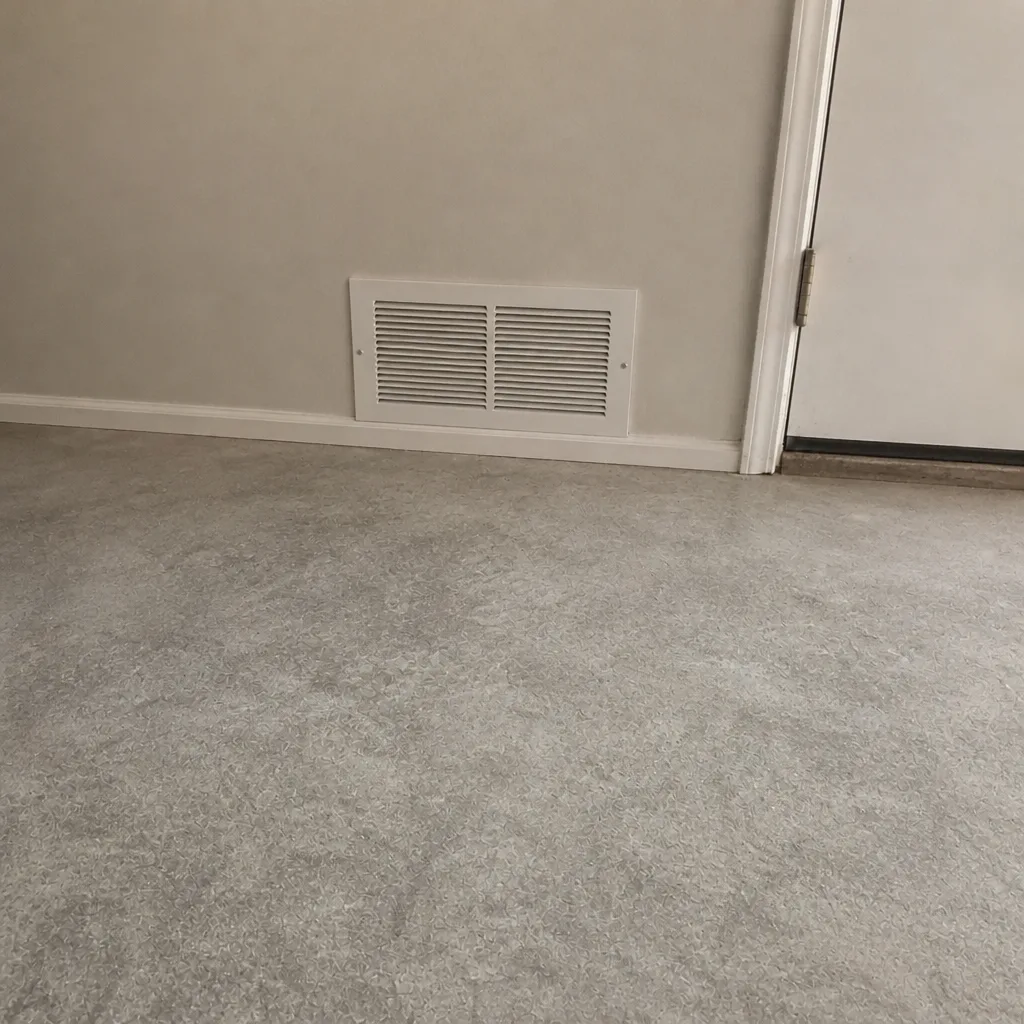
Whole-system duct and dryer vent check with before-and-after photos - you see exactly what came out of your vents
That "$99 whole-house special" is a bait ad - the real number appears once they are in your hallway, or the "clean" is a shop-vac at the register. We photograph the inside of your ducts before and after instead.
Air Duct Cleaning Warning Signs: A Seven Hills Homeowner’s Reference Guide
By the time you can see dust blowing from a register, the duct trunk has been shedding that material for weeks. The register is the last place contamination shows up, not the first. That’s the part most warning-sign checklists get backwards: they start with the symptom everyone already knows and skip the early signals that appear months earlier, while the problem is still a cleaning job instead of a repair job. This guide works the other way. We organize the warning signs by where in your Seven Hills home you’ll notice each one first: the thermostat, the filter, the air itself, the vents, and the rooms you’ve just renovated.
Quick Answer
The earliest air duct cleaning warning signs usually show up away from the registers: a thermostat that short-cycles or can’t hold a set temperature, filters that load up far faster than they used to, uneven room temperatures, and smells that appear only at certain points in the heating or cooling cycle. Visible dust at a vent, a musty odor from a return grille, or a filter that collapses in its frame are later-stage signals that mean contamination has already built up in the duct system.
Styles & brands we work with
- Whole-home duct cleaning
- Dryer vent cleaning
- Camera inspection
- Sanitizing & deodorizing
Table of Contents
- Signals at the Thermostat and in System Behavior
- Filter-Based Indicators: What Your Filter Is Telling You
- Smell Mapping: Reading Odors by Where They Appear in the Cycle
- Visual Inspection Without Tools: Registers, Returns, and Accessible Joints
- Post-Renovation and Post-Storm Signs in Seven Hills
- Cleaning or Repair? How to Tell Which You Need
- What Professional Duct Cleaning Actually Involves
- How Often Duct Cleaning Really Needs Doing
Signals at the Thermostat and in System Behavior
Your thermostat is the first place a duct problem becomes measurable. It’s sitting on a wall reading the air in one spot, while the blower is trying to push conditioned air through a network of ducts behind it. When that network is restricted, the thermostat tells you through behavior rather than numbers: the system runs longer than it should, stops, and starts again sooner than it used to. That pattern is called short cycling, and it’s worth understanding because short cycling has several causes, and airflow restriction is one of the common ones.
Here’s what to watch for at the thermostat and in how the system behaves:
- Short cycling. The system reaches the set temperature, shuts off, and restarts within a few minutes. Restricted airflow can make the equipment overheat and cut out on a safety limit, which reads like short cycling from the hallway.
- Temperatures that won’t hold. You set a number and the house settles a degree or two away from it no matter how long the system runs. That can mean conditioned air isn’t reaching the rooms the thermostat is judging.
- Uneven room temperatures. The rooms closest to the air handler feel fine while the far bedrooms stay stubbornly warm or cool. A restricted branch duct or a disconnected run will starve the far end of the house first.
- A blower that sounds strained. Higher-pitched airflow noise at the return, or a blower that seems to be working harder for less result, points to resistance somewhere in the duct path.
- Longer run times season over season. If the system seems to run more than it did a couple of years ago and nothing about the house has changed, the duct system is one of the first things worth checking.
One important caveat: these symptoms don’t prove the ducts are dirty. A failing blower motor, a clogged filter, a stuck damper, or a refrigerant issue can produce the same behavior. That’s exactly why an inspection matters more than a guess. In Seven Hills, where homes range from older properties with original sheet metal runs to newer builds with flex duct in the attic, we’ve learned that the thermostat tells you something is wrong, not necessarily what. Treat it as a prompt to look, not a diagnosis.
Filter-Based Indicators: What Your Filter Is Telling You
Your filter is the one component that lets you measure how much particulate the system is carrying, and most homeowners replace it on a calendar instead of reading it. Start reading it. A filter is a sample of everything the return air is carrying, and changes in how that sample looks and loads are among the most useful early warning signs you have.
Fast loading
If a filter that used to last three months is now gray and matted at six weeks, the system is pulling more particulate than it used to. Sometimes that’s a filter quality issue. Sometimes it’s a return duct that has accumulated a layer of dust and is now shedding it into the airstream, which loads the filter from the upstream side. Fast loading is one of the first signs that upstream duct condition has changed.
Color and pattern
A filter that loads evenly is doing its job. Look for these patterns instead:
- Dark streaking concentrated on one side suggests a single return branch is carrying far more debris than the others.
- Grayish-black loading rather than light gray can point to finer particulate, which often follows renovation work or long-term accumulation in the trunk.
- Rust-colored or reddish staining on filter media can indicate moisture in the return path, which is worth investigating promptly.
- Faint musty smell when you change it is a smell-mapping clue, and it usually gets worse the closer you get to the return.
Collapse and bowing
A filter that bows inward, collapses, or gets pulled out of its frame is a serious airflow signal. The blower is pulling harder than the filter can pass, which means either the filter is too restrictive for the system or there’s a blockage downstream it’s fighting against. Either way, that’s a problem to look at before you replace the filter again. In the Seven Hills homes we see, pleated filters rated at a high MERV are often the culprit, especially in older systems where the return duct was never sized for that level of resistance. The fix isn’t always duct cleaning. Sometimes it’s the right filter.
Smell Mapping: Reading Odors by Where They Appear in the Cycle
Smells are the most underrated warning sign, because odor tells you what kind of contamination you’re dealing with, and where it lives. The trick is to notice when in the system’s cycle you smell it, not just that you do.
The three smell types worth distinguishing
- Mold-adjacent odor. A musty, damp-basement smell that’s strongest right after the system starts, then fades as the cycle continues. That pattern usually means the smell is coming from moisture-affected material in or near the duct system, and the first blast of air through it picks up the odor. Moisture problems need to be solved before or alongside cleaning, not just cleaned over.
- Rodent activity. A sharper, ammonia-tinged or stale smell, often strongest in the evening and around returns in drop ceilings, basements, or ducts running through attics and crawlspaces. Rodent activity in ducts requires more than cleaning: it requires sealing and repair afterward, which is why we treat Air Duct Cleaning Seven Hills work as inspection first and cleaning second.
- Dust combustion or “hot dust” odor. A dry, faintly burnt smell in the first few minutes of a heating cycle that fades. That’s the smell of settled dust burning off a heat exchanger or heating element. It’s a normal trace in small amounts after a seasonal restart, but if it appears every time the heat comes on, the system is carrying more settled dust than it should.
The mapping rule is simple: note what the smell reminds you of, then note when in the cycle you notice it. Musty after startup points to biological material in the ducts. Stale or animal smell near a return points to a breached duct in a rodent-accessible space. Burnt dust at the start of every heat cycle points to accumulated debris on or near the heat exchanger. Any of those three patterns is a reason to have the system inspected rather than to keep spraying air freshener. And if you smell gas, that’s an emergency: leave and call your utility, not a duct cleaner.
Visual Inspection Without Tools: Registers, Returns, and Accessible Joints
You don’t need equipment to gather useful information. You need a flashlight, a step stool, and ten minutes of methodical looking. Start with a notepad and go in this order, so you know what you’re actually seeing.
- Shine a light into each supply register. Look at the inside walls of the duct just past the grille. A light film is normal. A visible layer of gray or black material, or any sign of material clinging and peeling, is worth noting.
- Check the return grilles, not just the supplies. Returns carry the bulk of the air a system moves. A dust line building on the return grille fins, or visible accumulation on the duct wall behind it, matters more than anything you’ll see at a supply register.
- Look at accessible duct joints. Anywhere you can see the ductwork (unfinished basements, attics, garages), look for tape peeling or mastic cracking at the joints. A leaking joint pulls unfiltered attic or garage air into the system, which is both a cleanliness and an indoor air quality issue.
- Check for visible sagging or disconnected runs. Flex duct that has sagged, pinched, or come loose from a boot is a repair issue and often explains an uneven room before any cleaning does.
- Check the filter access door and its seal. A filter slot that doesn’t seal pulls unfiltered air in right next to the blower. That’s a common and inexpensive fix that does more for indoor air than people expect.
What counts as “cleaning needed” versus “repair needed” comes down to where the problem is. Accumulation on duct surfaces means cleaning. Loose joints, sagging runs, torn flex duct, or a filter door that won’t seal means repair and sealing, and there’s no point cleaning a duct system that’s still leaking. That’s why we offer duct repair and sealing alongside air duct cleaning: if the inspection finds both, fixing the leak is the first step, not an upsell.
Post-Renovation and Post-Storm Signs in Seven Hills
Colorado’s Front Range has two seasonal events that push dust and smoke into duct systems far faster than ordinary daily life: renovation work and wildfire smoke season. Both create warning signs that look different from normal household dust, and both are worth knowing about because they tend to arrive all at once.
Drywall dust after renovation
Drywall dust behaves differently from household dust. It’s finer, it’s alkaline, and it hangs in the air longer. It also settles into every horizontal surface in a duct system, including the top of every trunk run and every branch takeoff. The signature pattern: white or light-gray dust appearing at registers weeks after the work, often after the contractor’s own cleanup is finished, because the duct system was running during the work and pulled fine gypsum dust into the system. If the HVAC ran while walls were being sanded or cut, expect the ducts to hold material long after the visible renovation mess is gone. Fine drywall dust also loads filters quickly, so fast-loading filters after a renovation are a strong signal to look at the ducts.
Wildfire smoke and smoke infiltration
Smoke infiltration leaves markers that differ from normal dust. You may notice a resinous, campfire-adjacent smell rather than a musty one, and it often shows up strongest at returns and in the rooms closest to a return. Ash and fine smoke particulate load filters fast and can leave a faint gray film on duct surfaces. This is exactly the situation where post-cleaning air quality filtration matters. We work with Honeywell and Aprilaire filtration and humidity products because the right response to smoke infiltration isn’t just cleaning, it’s improving what the system filters going forward.
One more Colorado-specific note: the dry air here means dust travels further and stays airborne longer, so a dusty home here often turns out to have a duct issue rather than a housekeeping one. Pine pollen and spring dust storms load filters fast, and a filter that clogs fast through the spring isn’t necessarily a sign of a problem. The signal is a change from your own baseline, not a fixed calendar.
Cleaning or Repair? How to Tell Which You Need
This is the question that most warning-sign lists never answer: given the signs you’ve noticed, do you need a cleaning, a repair, or both? The honest answer is that the two often overlap, and a competent inspection tells you which comes first. Here’s a guide to tell them apart from the signs themselves.
- Cleaning is the likely answer when the signs are accumulation: fast-loading filters, a dust film on duct surfaces, a musty smell after startup, visible dust at a return, or a smell that appeared after a renovation.
- Repair and sealing are the likely answer when the signs are leakage or damage: peeling tape or cracked mastic at joints, sagging or disconnected flex runs, a filter access door that won’t seal, or a room that never gets good airflow no matter what temperature you set.
- Both together is common after a rodent problem, where cleaning alone leaves contaminated material behind and sealing alone leaves the existing debris in place.
- Neither is the answer when the sign points to equipment: a thermostat that short-cycles but a filter and duct system that look fine, or a blower that’s failing. In that case a duct inspection will confirm the ducts aren’t the problem, and you’ll know where to look next.
The practical rule: if you’re uncertain, inspection before cleaning. A competent inspection tells you whether the system needs cleaning, repair, or a look at the equipment, and it prevents you from paying to clean a duct system that has a leak that will just re-contaminate it. We treat HVAC cleaning and duct repair as part of the same conversation because a house with a leaking duct and a dirty coil has one problem, not two.
What Professional Duct Cleaning Actually Involves
Understanding what a proper cleaning job looks like tells you what a poor one looks like. Professional duct cleaning is not a shop vac at each vent. It’s an equipment-intensive process with a defined order of operations, and the equipment is the part that separates a specialist from a generalist HVAC company that offers cleaning as an add-on.
- Inspection and photo documentation first. Access points are identified, the duct system is inspected, and conditions are documented before any cleaning starts.
- Negative pressure setup. A high-powered vacuum unit is connected to the duct system to put it under negative pressure, so dislodged material is captured at the source rather than blown into the house.
- Containment and filtration. We deploy Abatement Technologies air filtration on every job, which captures fine particulate that gets airborne in the work area instead of recirculating it into the home. It’s a step many competitors skip, and it’s the single biggest difference in how a job feels in the house while it’s happening.
- Agitation of duct surfaces. Rotobrush and Nikro systems are used to agitate and dislodge accumulation from duct walls, trunk runs, and branch lines. These are the same systems used by remediation contractors, not consumer-grade vacuums.
- Component cleaning where relevant. Registers, grilles, the blower compartment, and the coil area are addressed as part of HVAC cleaning when the inspection shows they’re contributors.
- Sanitizing on the way out. Guardsman-grade sanitizing treatments can be applied to cleaned duct interiors when inspection indicates biological growth.
- Before-and-after verification. Photos of the same access points, before and after, are the standard for showing the work was done. Ask for them.
This is also where dryer vent cleaning belongs in the same conversation: it’s the other duct in the house, it carries lint, and lint accumulation is one of the leading causes of house fires. If you’re having the HVAC ducts inspected, it’s a sensible moment to look at the dryer vent too.
How Often Duct Cleaning Really Needs Doing
There’s no universal number of years that applies to every house, and anyone who quotes one without looking at the system is guessing. The better approach is to understand the factors that shorten the interval and to use your own baseline as the measure. Here’s what actually drives how often a system needs attention:
- Pets. Heavy-shedding pets load the return air with fur and dander, and duct systems with pets usually need attention sooner.
- Renovations. Any significant remodel where the HVAC ran during dusty work pushes the next cleaning forward.
- Recent rodent or pest activity. Contamination plus potential duct damage; both need addressing.
- Smoke seasons. Homes that stay closed up through Front Range wildfire smoke seasons accumulate more fine particulate.
- Household allergies or respiratory conditions. Households with allergy sufferers benefit from keeping the system cleaner on a shorter interval.
- Older duct systems. Homes with older, poorly sealed duct systems accumulate more, and leak more, than newer sealed systems.
Practically, we think in terms of watching your signs rather than a strict calendar: if filters are loading faster than they used to, if smells appear in the cycle, or if a renovation happened, that’s the signal to inspect. If everything is stable, there’s no reason to clean on a set schedule just because the calendar turned. The right interval is the one your system’s own signs tell you to use.
Common Mistakes to Avoid
- Waiting for visible dust at the registers. By the time dust is blowing out of a vent, the trunk has been carrying material for a long time. React to the early signals at the thermostat and filter, not the late ones at the vent.
- Diagnosing from the filter alone. A fast-loading filter can mean a dirty duct, but it can also mean a cheaper filter, a leaking return, or a blower problem. Use the filter as a prompt to inspect, not proof of cause.
- Treating a musty smell with air fresheners or sprays. Odor is a symptom of a source. Masking it leaves the source in place, and if the source is moisture-affected material in a duct, it usually gets worse.
- Cleaning before repairing. A duct system with leaking joints will re-contaminate itself after cleaning. In Seven Hills attics and basements, we see this regularly: clean once, fix the leak, and the result holds far longer.
- Running the HVAC during dusty renovation. Construction dust pulled into a duct system is one of the more predictable post-renovation problems. If remodeling is planned, sealing off returns during the dusty phase prevents a lot of cleanup later.
- Comparing quotes on price alone without asking about equipment and containment. Two quotes can look similar on paper and involve completely different levels of setup. Ask what vacuum and containment systems will be used and whether before-and-after photos are standard.
- Skipping the dryer vent. Homeowners often think about the HVAC ducts and forget the vent behind the dryer. Lint accumulation in a dryer vent is a recognized fire risk and is worth checking when the ducts are done.
See the difference
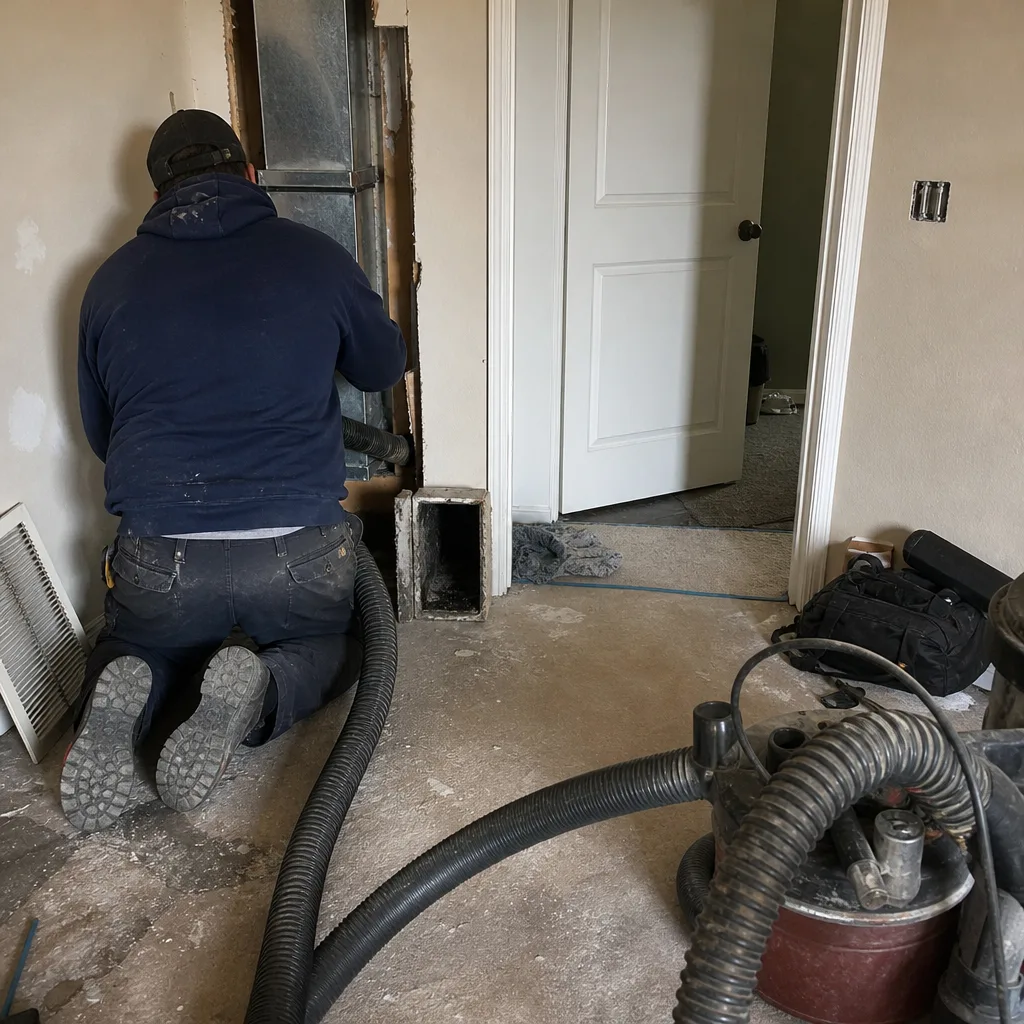 Before
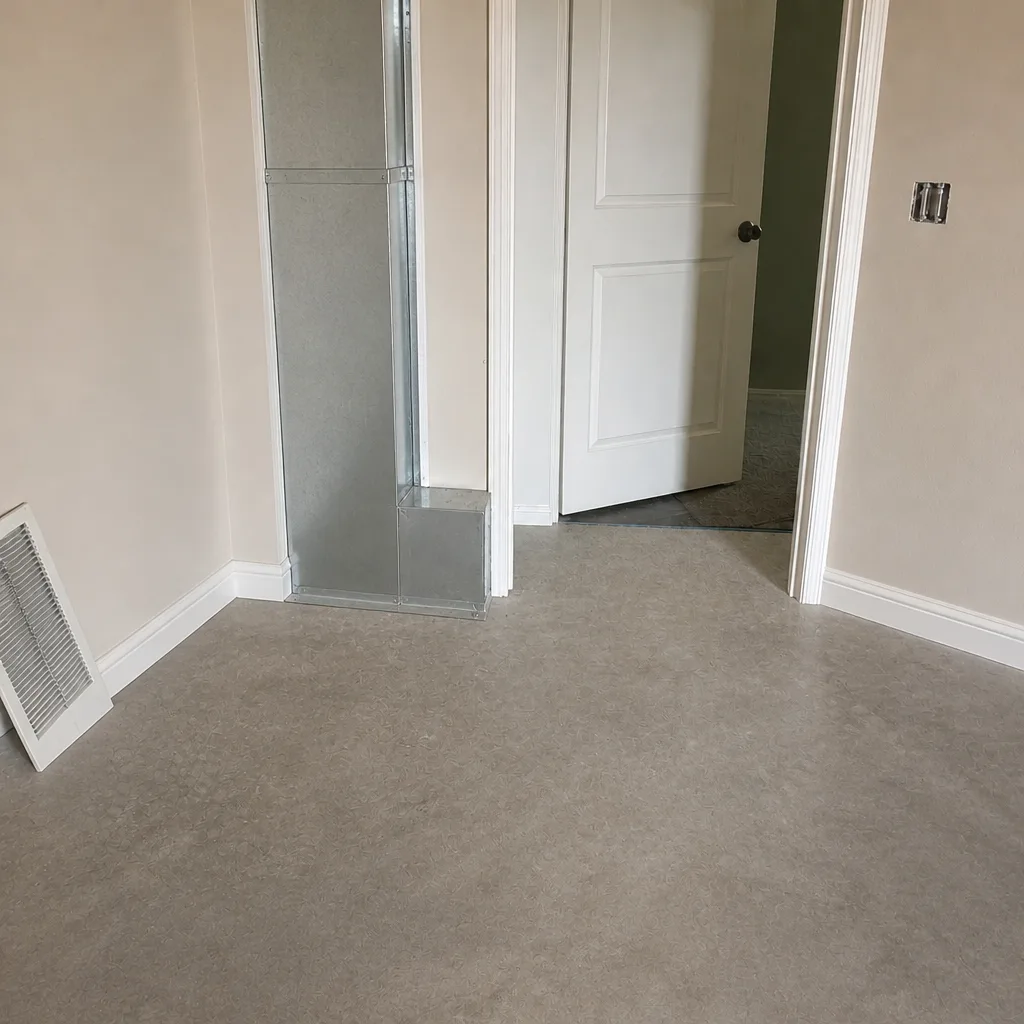 After
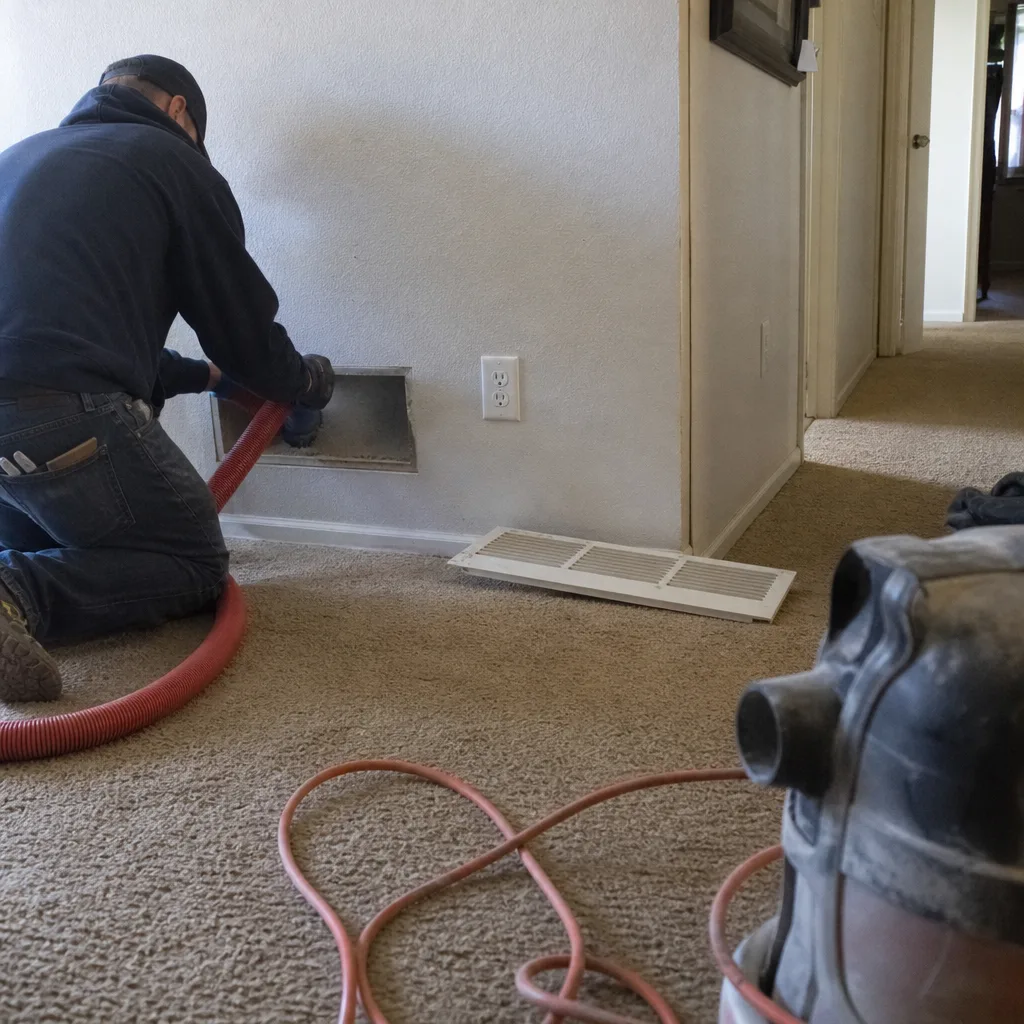 Before
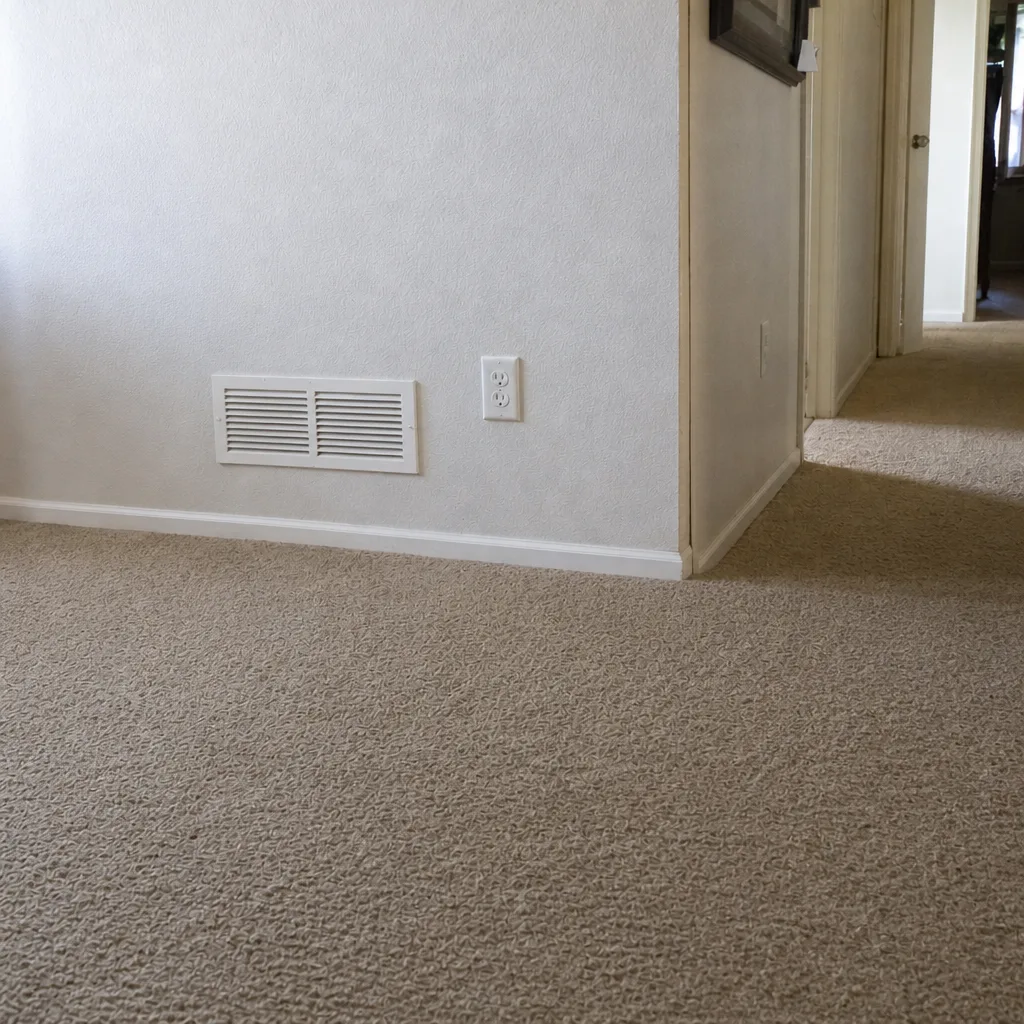 After
 Before
 After
When to Call a Professional
Some of these signs you can watch for a while. Others are worth a call now. Call a professional when you notice a musty smell that returns right after the system starts, a filter that collapses or bows in its frame, a room that won’t heat or cool regardless of the thermostat setting, visible accumulation on a return duct wall, or smell or debris following a renovation or a rodent problem. Also call if you’ve had a dryer vent that runs long or feels hot to the touch; that’s a lint problem, and it’s a safety issue rather than a comfort one. Air Duct Cleaning Seven Hills offers free estimates in Seven Hills, and our technicians have up to 10 years of experience. Call (855) 729-0413. We answer 24/7. Fast dispatch from 7am to 7pm, Sunday through Friday, closed Saturday. Every job is quoted as one flat price agreed before work starts, and before-and-after photos of your own system come standard.
Frequently Asked Questions
The earliest signs usually appear away from the vents: filters that load faster than they used to, uneven room temperatures, a thermostat that short-cycles or won’t hold a set temperature, and smells that appear only at the start of a heating or cooling cycle. These appear months before visible dust reaches a register. Call (855) 729-0413 for an inspection if you’re seeing any of them.
Cost depends on the size and layout of the system, how many access points the job needs, and whether repair or sealing is part of the work, which is why we quote one flat price per system after inspection rather than a per-vent number. That single price is agreed before work starts, so there are no surprises once the technician is on site. Call (855) 729-0413 for a free estimate; the written estimate sets the final price.
The cheap quotes usually skip the equipment. A truck-mounted vacuum and a shop vac at each vent are not the same job, and a quote that doesn’t mention containment filtration, surface agitation with professional systems, or before-and-after photos is a quote for a different scope. Ask what equipment and containment will be used, and whether you’ll see photos of the work. Call (855) 729-0413 if you’d like an honest scope for your system.
Before-and-after photos of the same access points are the simplest, most reliable way to verify. Ask for them before the job starts. On our jobs, we use Rotobrush and Nikro duct cleaning systems and Abatement Technologies air filtration, and we document conditions before and after so you can see what changed. Call (855) 729-0413 to schedule an inspection.
There’s no single interval that fits every home. Pets, renovation work, wildfire smoke seasons, older duct systems, and household allergies all shorten the interval; a quiet home with sealed ducts may go much longer. Watch your own baseline: faster filter loading, new smells in the cycle, or a recent renovation are the best signals to inspect. Call (855) 729-0413 for an assessment.
No. A musty smell that returns right after the system starts points to moisture-affected material somewhere in or near the duct path, but the source can be a coil, a condensate issue, a damp return, or the ducts themselves. The pattern in the cycle is the clue. Only an inspection confirms the source, and if it’s a moisture problem, that has to be addressed rather than cleaned over. Call (855) 729-0413 to have it looked at.
The Bottom Line
The warning signs that matter most appear early and away from the vents: thermostat behavior, filter loading patterns, smells that appear at a specific point in the system cycle, and visible conditions at returns and accessible joints. Read those signals and you’ll usually catch a duct problem while it’s still a cleaning job, before it becomes repair work or a re-contamination cycle. In Seven Hills, renovation dust and smoke season are the two events most likely to push a duct system past its limit. When the signs line up, get an inspection before you buy a cleaning. Professional equipment and proper containment matter more than a low quote, and a flat price agreed before work starts means you know what you’re buying.
If you’re noticing any of the signals in this guide, we can help you work out what your system actually needs. Call (855) 729-0413 for a free estimate. We answer 24/7. Fast dispatch from 7am to 7pm, Sunday through Friday, closed Saturday. One flat price per system, agreed before work starts, with before-and-after photos of your own ducts.
Written by the team at Air Duct Cleaning Seven Hills.