
Last updated November 24, 2026
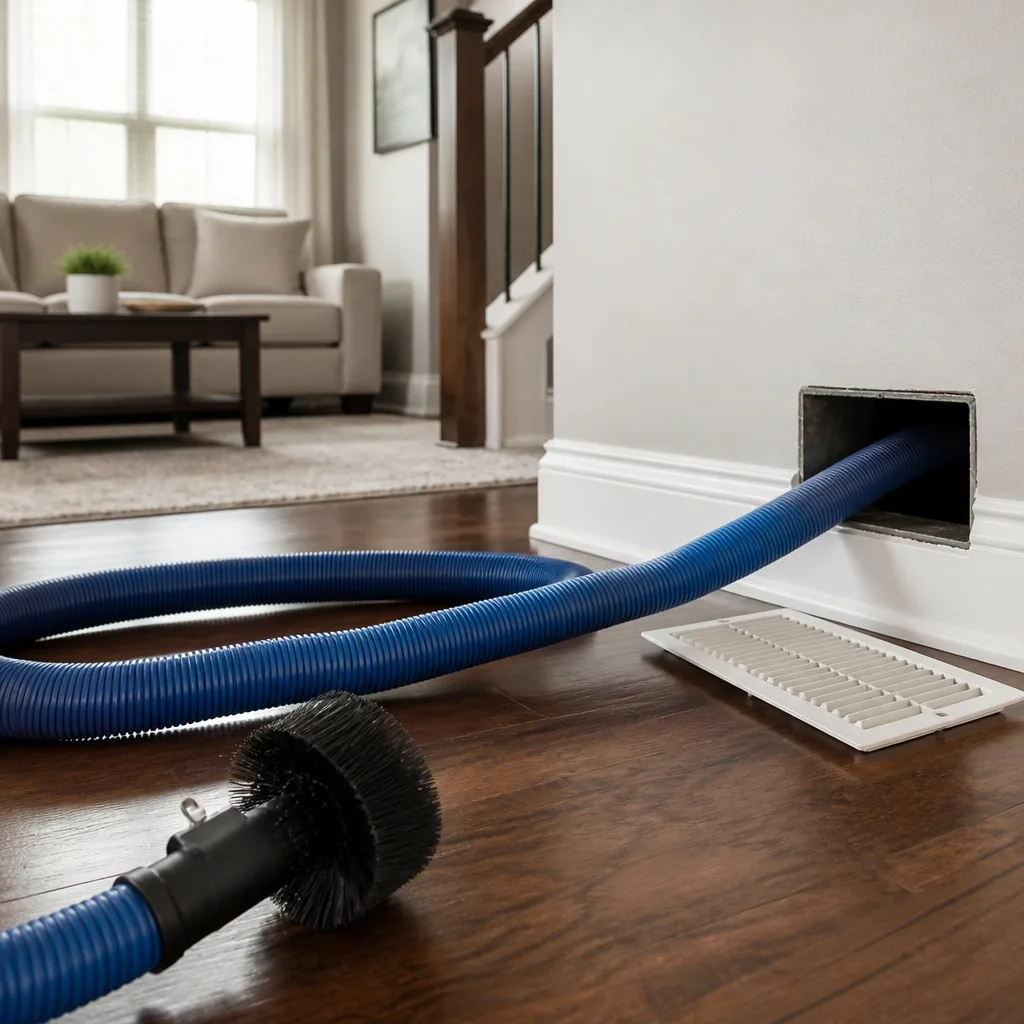 Whole-home duct cleaning
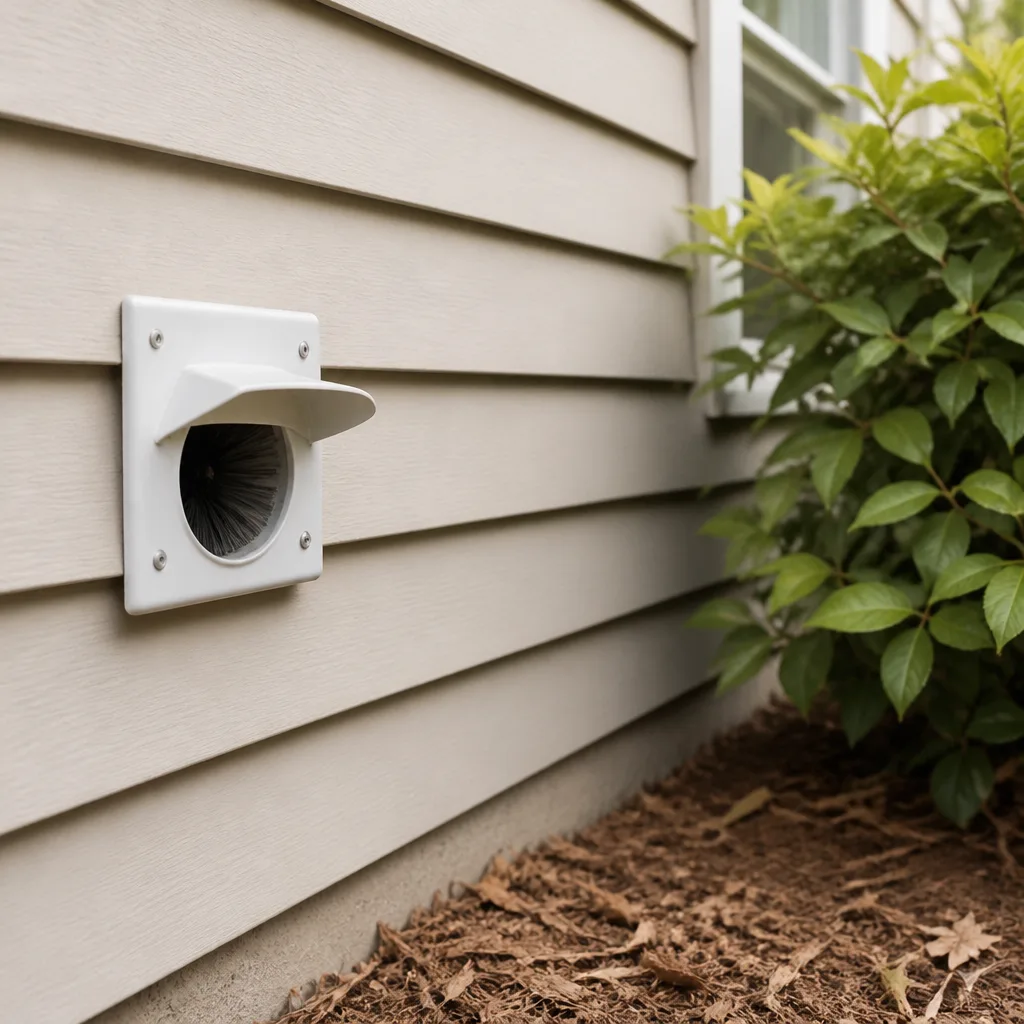 Dryer vent cleaning
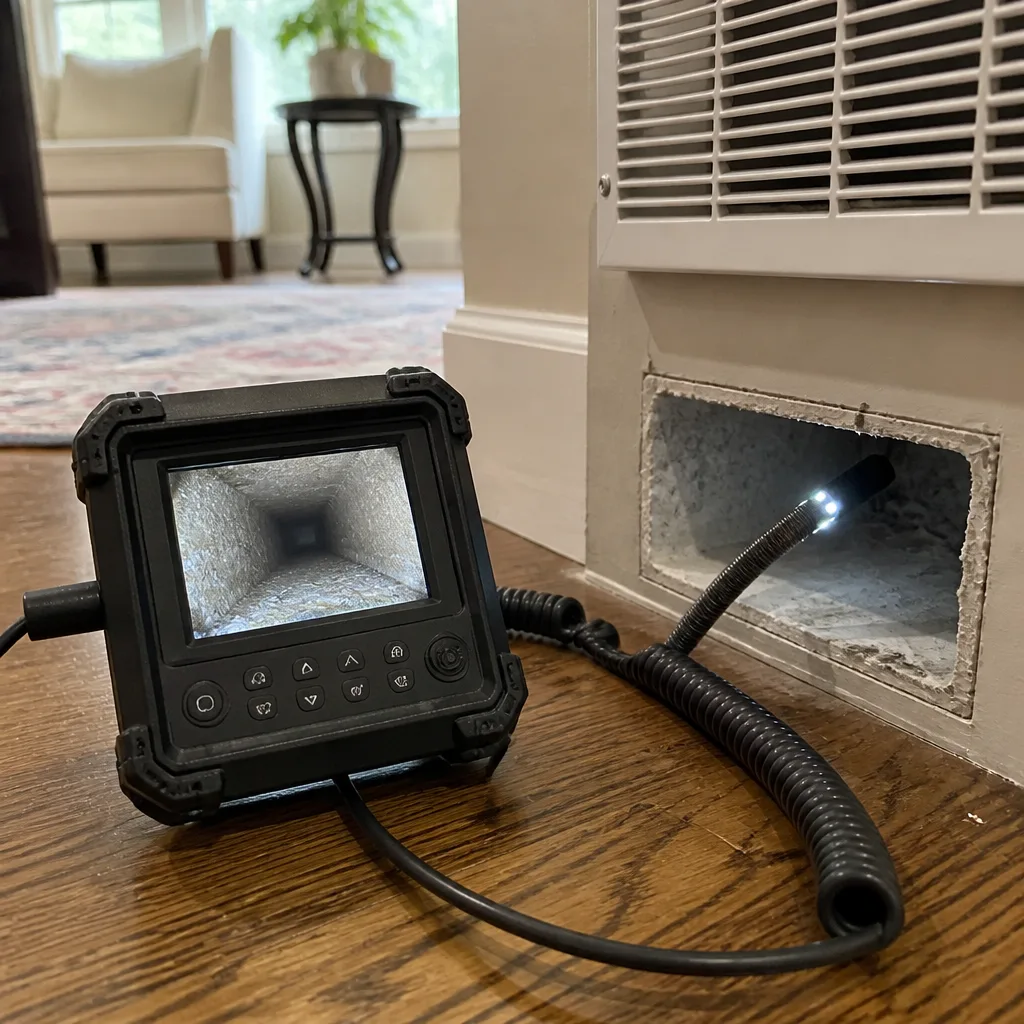 Camera inspection
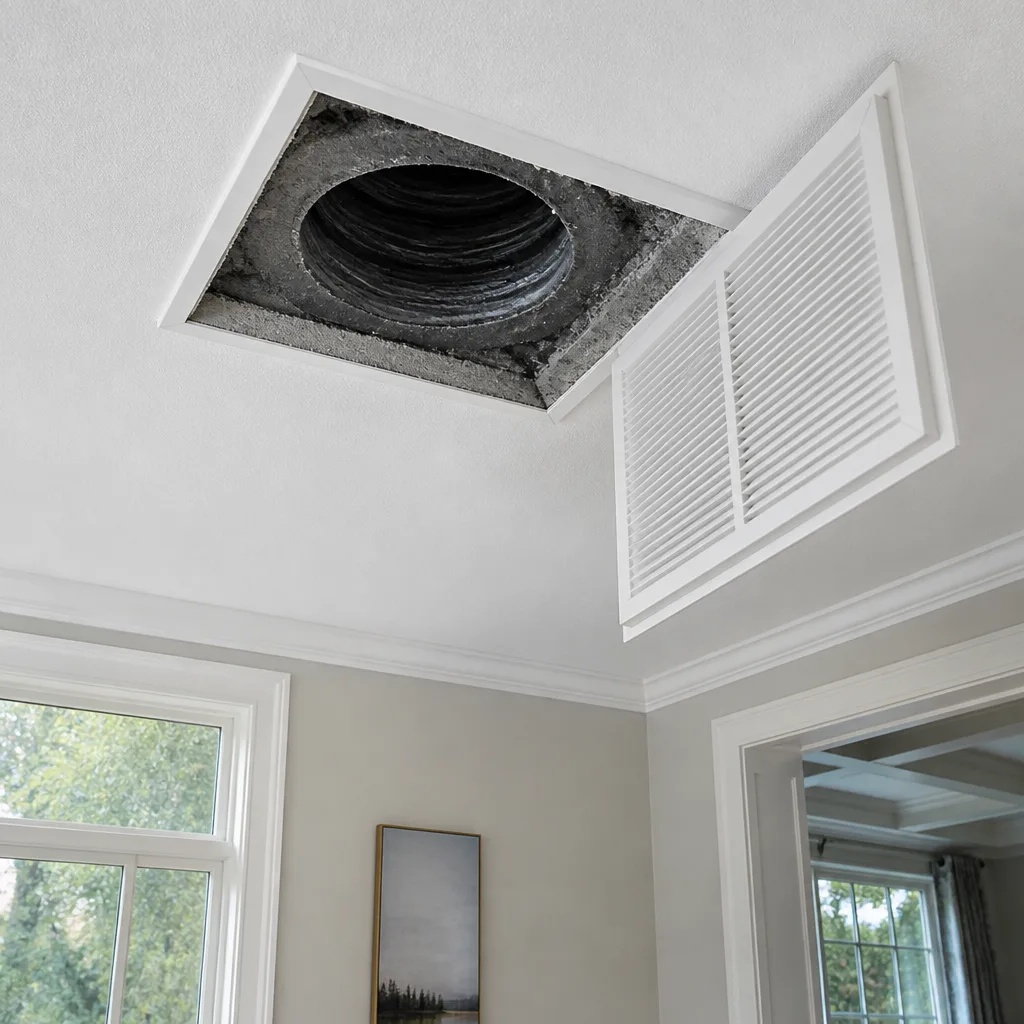 Sanitizing & deodorizing
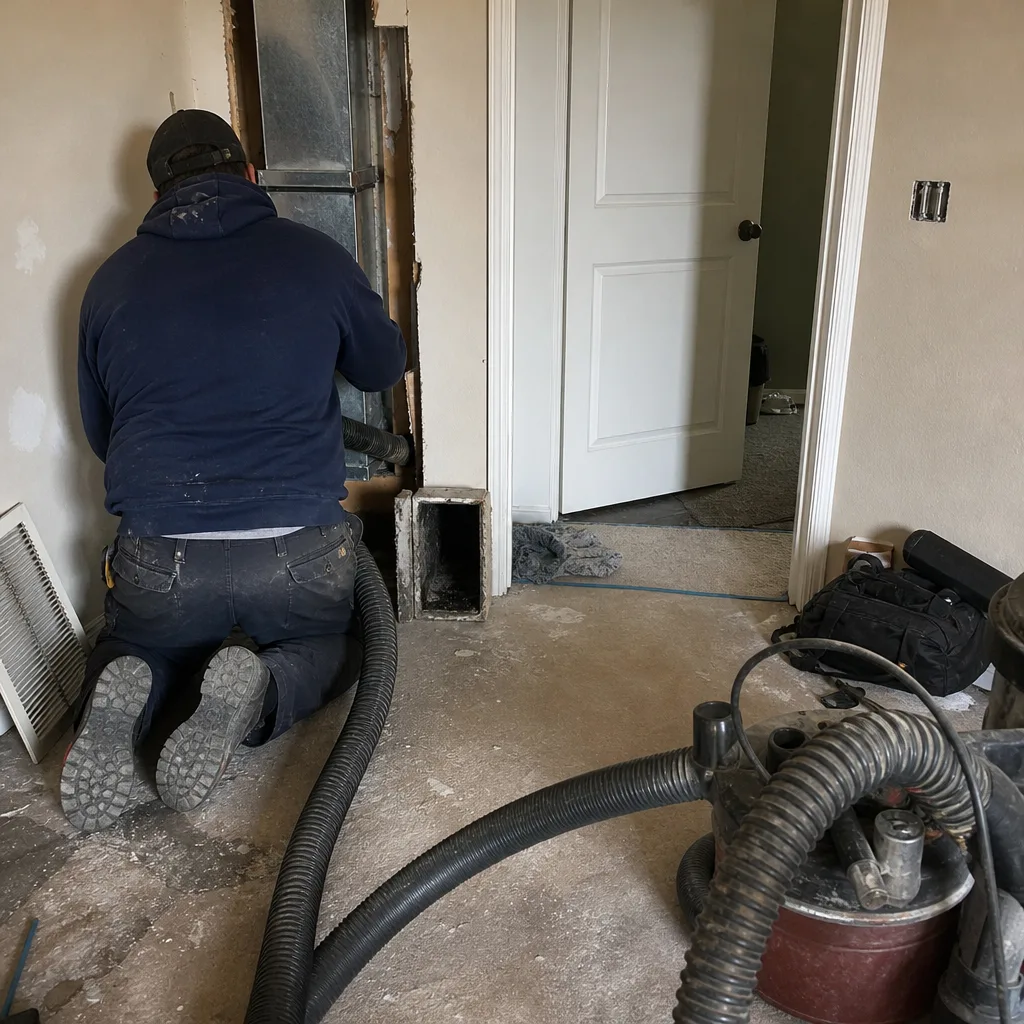
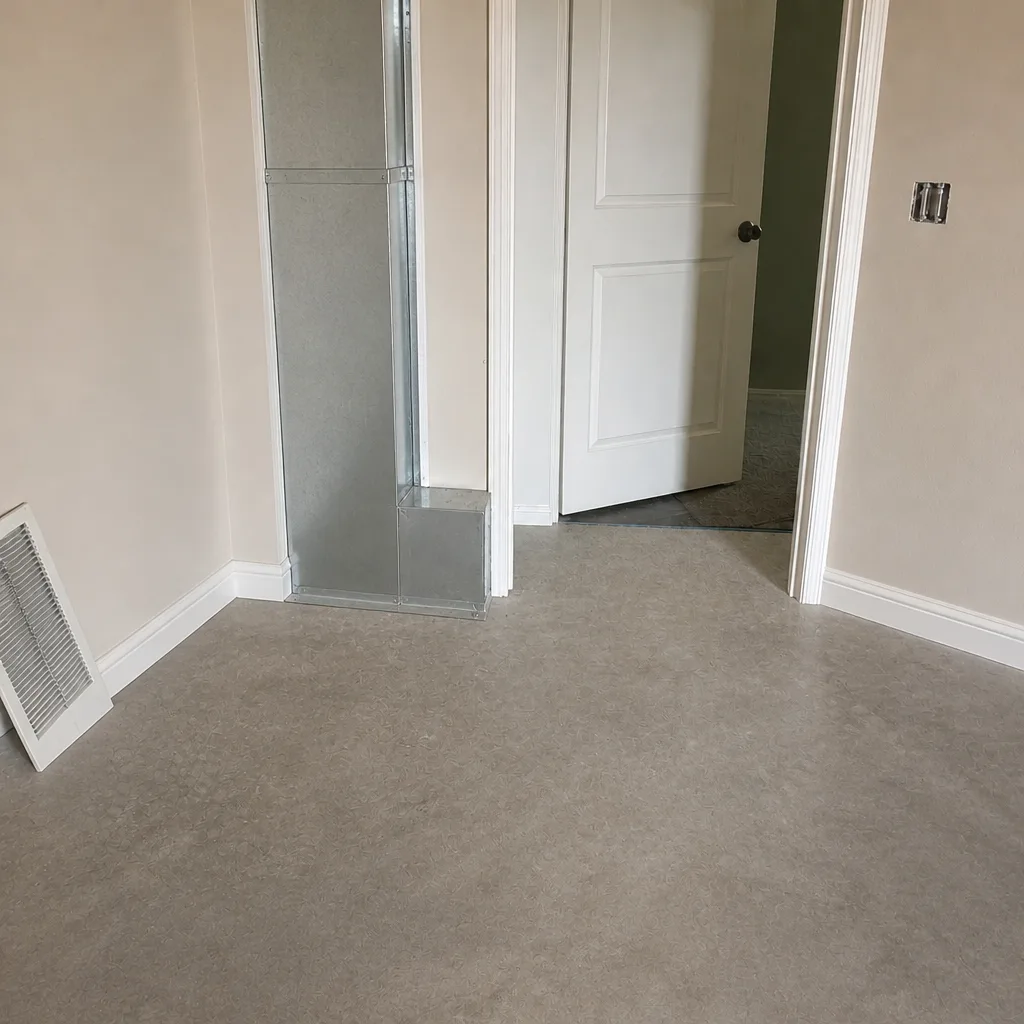
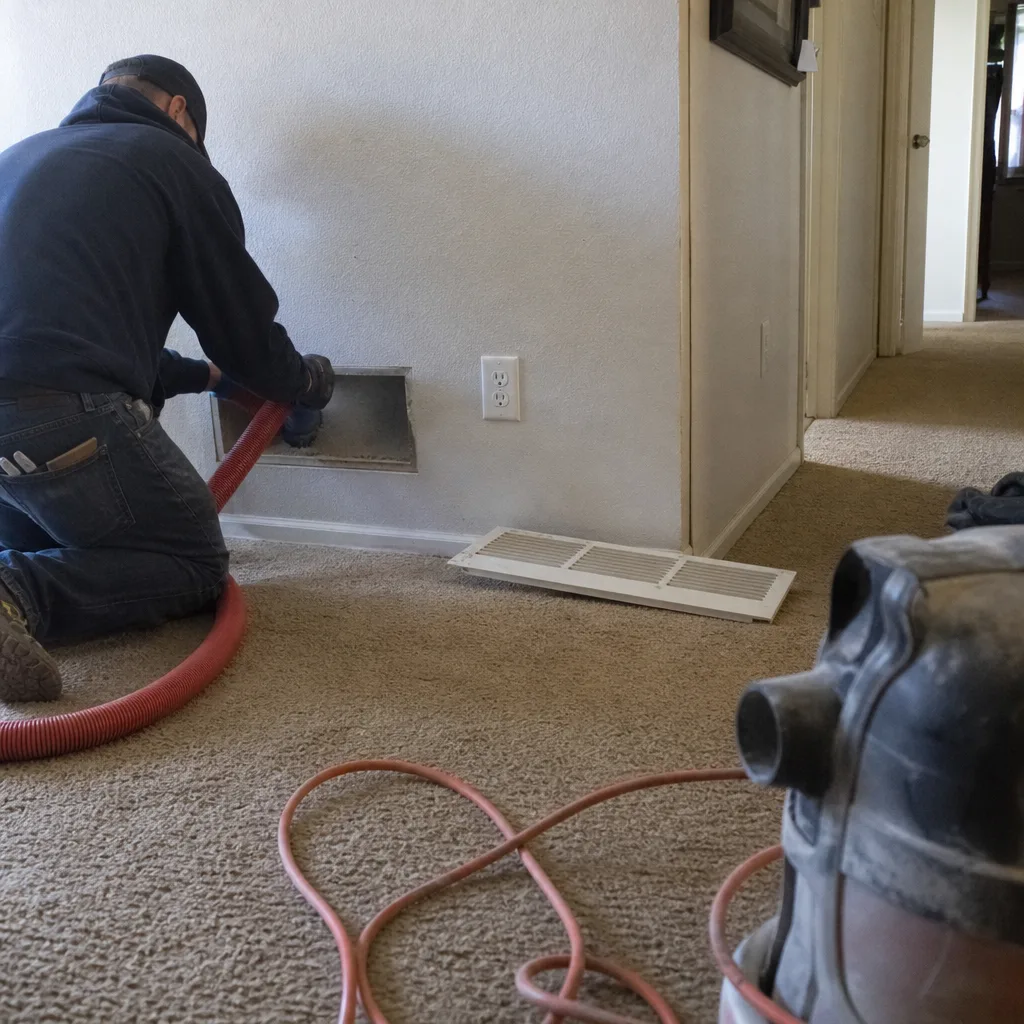
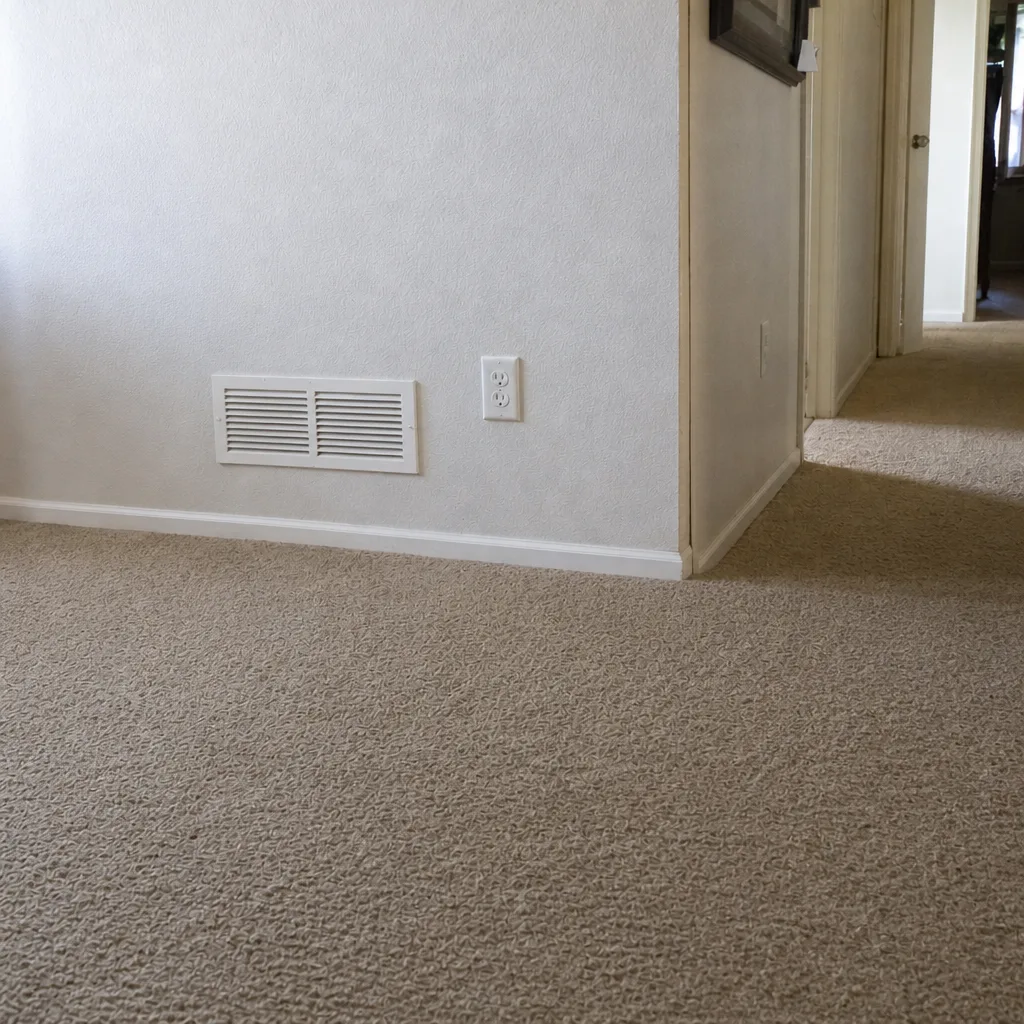
Whole-system duct and dryer vent check with before-and-after photos - you see exactly what came out of your vents
That "$99 whole-house special" is a bait ad - the real number appears once they are in your hallway, or the "clean" is a shop-vac at the register. We photograph the inside of your ducts before and after instead.
DIY vs Professional Air Duct Cleaning: The Seven Hills Homeowner’s Decision Guide
A homeowner with a shop vac and an hour can meaningfully clean the first 18 inches of accessible duct runs, and that’s exactly as deep as the contamination goes in a subset of homes. The rest need something that pulls negative pressure across the entire system at once. That gap is what this guide is about. We’re not here to tell you a shop vac is useless or that everybody needs a truck in the driveway. We’re here to give you a decision framework based on what’s actually sitting inside your ducts, your home’s history, and what Seven Hills homes tend to face when the registers come off.
Quick Answer
DIY air duct cleaning is genuinely effective when contamination is surface-level and reachable through the registers: loose dust on grilles, debris in the first stretch of accessible run, and routine dryer vent lint. Professional cleaning is the right call when contamination is embedded and systemic, meaning mold growth, rodent debris, post-renovation drywall dust, or smoke residue that has circulated through the whole system and settled on surfaces no shop vac can reach. The dividing line isn’t your skill level. It’s what’s in the ducts.
Styles & brands we work with
- Whole-home duct cleaning
- Dryer vent cleaning
- Camera inspection
- Sanitizing & deodorizing
Table of Contents
- What DIY cleaning can legitimately accomplish
- The physics of why a shop vac can’t replicate source removal
- Contamination types that are always professional territory
- The honest cost-benefit math
- Five questions that put you on one side of the line or the other
- What to look for in a Seven Hills duct cleaning company
- Common mistakes to avoid
- When to call a professional
What DIY Cleaning Can Legitimately Accomplish
We want to be fair here, because the DIY side of this debate gets dismissed too quickly. There’s real work a homeowner can do that makes a measurable difference, and it costs almost nothing.
The first 18 inches of duct behind each register is where the majority of accessible dust collects. That’s a function of airflow changing direction as it hits the register boot and the grille itself. Static charge and turbulence drop material right at that transition. If your only concern is a dusty grille and a puff of debris when the furnace kicks on, that’s the zone to target.
What actually works in that zone:
- Register and grille cleaning. Remove the grille, wash it in a utility sink with dish soap, dry it fully, and reinstall. Grille faces hold a surprising load of dust that gets blown back into the room every cycle.
- The first accessible run. With the grille off, take a shop vac fitted with a brush attachment and work the visible interior of the boot. Don’t force anything past a bend you can’t see.
- Dryer vent maintenance. The lint trap is only the beginning. Pull the dryer out, disconnect the vent, and clear the run between the dryer and the exterior hood with a vent brush kit. This is straightforward maintenance and directly reduces fire risk.
- Supply register wipe-down every season. Before heating season and before cooling season, wipe the grille faces. It sounds trivial. It’s the cheapest thing you can do for overall air quality.
What DIY cannot touch: the trunk line running through your basement or crawlspace, the return-air path, the interior of the air handler, and any duct run with more than one inaccessible bend. Those are the parts that matter most when contamination is real, and they’re why the shop vac approach tops out at about 20% of the problem in a home with a genuine issue.
The Physics of Why a Consumer Vacuum Can’t Replicate Source-Removal Cleaning
A shop vac creates suction. A professional duct cleaning system creates negative pressure across an entire sealed duct network and captures what it dislodges at a HEPA filter. Those are different physical operations, not different versions of the same one.
Here’s the specific gap. Consumer vacuums move air at a volume that’s fine for a grill grate or a car floor mat, but they can’t overcome static pressure inside a residential duct system. Think about the length of run in a typical Seven Hills home: a trunk line, multiple branches, elbows, and a return path. Air resistance builds at every turn. A shop vac pressed against one register is pulling against 40 feet of ductwork with four to six branches open to the room. The suction at the far end of the trunk is negligible.
Professional systems solve this with three things together:
- Airflow volume. The machine operates at a CFM rating that can maintain meaningful velocity through the whole system, even at the far end of a long trunk.
- A sealed system. Registers and returns are temporarily sealed so the machine pulls from the duct interior, not from the room. That’s what creates true negative pressure.
- Collection at the source. Dislodged material is captured in a HEPA-filtered collection unit. The debris that comes off the duct walls has to go somewhere, and if it isn’t captured it’s just redistributed into the living space. That’s the failure point most DIY attempts hit without realizing it.
The equipment matters because of that physics, not because of a brand name on the side. We run Rotobrush and Nikro systems, and we deploy Abatement Technologies filtration on every job specifically so the material that comes loose stays contained. There are homeowner-grade tools that bridge part of this gap for accessible runs, but no consumer machine available keeps pace with the volume and pressure of a professional unit across a full residential system.
Contamination Types That Are Always Professional Territory
Some contamination is not a matter of degree. It’s a category that DIY can’t address safely, no matter how careful you are. In our experience across Seven Hills homes, these four are the terrain of a professional, and we’d say that even if we weren’t in the business.
Mold Growth
Mold inside ductwork is a systemic problem. Spores don’t stay in one register; they’ve colonized the cooler, damper surfaces of the trunk line and often the evaporator coil area in the air handler. Wiping a grille does nothing. The remediation needs to start with containing the area, then physically removing the growth and the surface material it’s bonded to, then sanitizing the interior. If you have unexplained musty odors that intensify when the system runs, that’s the classic signature and it needs an inspection before anything gets disturbed.
Rodent Debris
This is where we draw a hard line. Rodent droppings, nesting material, and urine-soaked insulation in ducts carry real health risk when disturbed without containment. A shop vac will aerosolize material that should never be airborne in a living space. This is a professional-only situation, and it needs HEPA containment on the collection side, not a dust mask and a weekend.
Post-Renovation Drywall Dust
Drywall dust is finer and more voluminous than typical household dust, and renovation work pushes it through the entire HVAC system if the system runs during the project. It coats duct walls evenly, settles into every branch, and clogs filter media fast. If you’ve had a kitchen, bathroom, or basement project in the last year and the system ran while work was ongoing, a professional cleaning is usually the right reset, followed by fresh filtration.
Smoke and Fire Residue
Smoke from a fire, even a contained one, deposits a residue on duct surfaces that bonds and doesn’t vacuum off with consumer equipment. The odor tends to return in cycles because the residue is a physical coating, not a surface dust. Professional cleaning with the right collection setup removes the coating; sanitizing afterward addresses the lingering odor.
The Honest Cost-Benefit Math
Let’s frame this honestly. DIY saves money up front and is genuinely enough for some homes. Skipping professional cleaning when it’s actually needed costs money over time in ways that don’t show up on a single invoice. Here’s the shape of that math.
What DIY costs. A shop vac with a brush kit, a vent brush set for the dryer, and grille-cleaning supplies run a modest amount one time. You’ll also replace filters more often if you clean aggressively, since disturbed dust loads filter media. The hidden cost is time, and it’s not trivial if you’re working through six or eight registers on a weekend.
What skipping needed professional cleaning costs. This is where homeowners underestimate the picture:
- Filter replacement frequency. A contaminated system loads filters faster. Over a couple of seasons, the filter spend adds up in a way that a single professional cleaning year would likely have prevented.
- Blower motor strain. Restricted airflow makes the blower work harder, and blower motors are among the more expensive components to replace.
- Comfort and efficiency. Ducts that aren’t moving air well mean rooms that run hot or cold, and a system that runs longer to reach the set point. That’s an energy cost spread across every month of the year.
- Airborne particulate. For allergy sufferers, families with young children, or households with pets, the practical cost is the load of fine particulate circulating through living space. That’s the reason most of our Seven Hills customers call in the first place, and it’s not a number on an invoice.
If you want a realistic sense of what professional cleaning costs, the honest answer is that it varies with system size and condition, and the right move is to get a written estimate. What matters more here is the comparison: the DIY path is cheaper now, but only when contamination is actually surface-level. When it isn’t, the money saved up front gets spent later on filters, efficiency, and possibly component replacement.
Five Questions That Put You on One Side of the Line or the Other
Before you pick up a shop vac or call anyone, answer these five. They map your home’s history to the contamination type, and they’re the fastest way to know which side of the DIY/professional line you’re on. This is the decision checklist we’d run with a friend in Seven Hills.
- Has anything in the house been renovated in the last two years? Drywall, flooring, kitchen, bathroom, basement finish, anything that generated dust. If yes, professional cleaning is usually the right call.
- Is there a musty smell that shows up when the HVAC runs? Musty odor on system startup points to moisture and mold, not dust. That’s professional territory.
- Have you seen signs of rodents or pests? Droppings in the garage, scratching in walls, chewed insulation in the attic or crawlspace. If yes, don’t vacuum anything until a professional inspects.
- Is there anyone in the home with asthma, allergies, or a compromised immune system? Or are there young children or pets? Fine particulate matters more in these households, and a full-system cleaning usually pays for itself in comfort.
- Have you ever had smoke or fire damage, or lived with someone who smoked inside? Residue from either coats duct surfaces and needs professional removal, not surface vacuuming.
If you answered “no” to all five and your only complaint is dusty grilles, DIY is legitimate. Clean the registers, replace the filter, and pay attention to whether the situation changes. If you answered “yes” to any of them, the practical move is a professional inspection before anything else.
What to Look for in a Seven Hills Duct Cleaning Company
The duct cleaning industry has a credibility problem, and we’re not going to pretend otherwise. The bait-and-switch model is real: a low advertised price turns into a much larger invoice once the technician is on site, often for per-vent pricing or for “extra” services that weren’t discussed. Here’s how to tell the difference before you book.
Ask what equipment they use, by name. A credible company will tell you the specific systems. We use Rotobrush and Nikro cleaning equipment, and we deploy Abatement Technologies air filtration on every job to capture what’s dislodged. If a company can’t tell you the equipment or brushes off the question, that’s a signal.
Ask what’s in the price. A professional estimate covers the full system, and the number is agreed before work starts. Per-vent pricing is a red flag because it lets the invoice grow once the work is underway. You should know the total before the first register comes off.
Ask about documentation. Before-and-after photos of the actual ducts in your home should be part of the job. You shouldn’t have to take a company’s word for work you can’t see.
Ask about repair and sealing. Cleaning routinely exposes gaps at joints, disconnected runs, and deteriorating seals. A company that only cleans and leaves you to find a second contractor to fix what the cleaning exposed is a partial service. We handle duct repair and sealing as part of the same specialist team so you’re not bouncing between contractors. If post-cleaning air quality matters to you, we also work with Honeywell and Aprilaire filtration and humidity products, which are names a lot of homeowners and HVAC technicians already recognize.
Ask about licensing and insurance. The local pro should be licensed and insured as their state requires. It’s a fair question and a reasonable one to ask directly.
Common Mistakes to Avoid
- Running a shop vac on a system you haven’t diagnosed. If there’s mold or rodent debris present, vacuuming aerosolizes it into the living space. Inspect first, then decide. This is the one mistake with real health consequences.
- Cleaning ducts without also servicing the air handler. Most of the contamination in a Seven Hills home lives in the blower compartment, the coil, and the return path, not just the supply runs. Cleaning one side of the system and not the other leaves the source in place.
- Assuming strong airflow means clean ducts. Airflow doesn’t tell you about coating on duct walls or the state of the air handler. A system can feel fine and still have mold growth on the coil. If you’re unsure, have HVAC cleaning inspected as part of the picture.
- Neglecting the dryer vent while doing duct work. The dryer vent is a separate fire-risk path with its own maintenance needs, and it’s often overlooked. dryer vent cleaning is a routine, high-value service and worth combining with any duct work you’re already scheduling.
- Choosing the lowest quote without asking what’s included. A low number that becomes a larger invoice once the technician arrives is the defining failure mode in this trade. Ask for the full scope in writing and the total before work begins.
- Sealing up problems instead of fixing them. If ducts have disconnected runs or joint gaps, cleaning alone doesn’t fix the airflow loss. Repair and sealing should follow cleaning when the inspection finds it.
- Skipping post-renovation cleaning. If drywall work was done and the HVAC ran during the project, the system needs a professional reset. Grille wiping isn’t going to touch drywall dust that’s already coated the trunk line.
When to Call a Professional
Call when you answer “yes” to any of the five decision questions, when you see signs of rodents or smell mustiness, or when you’ve had a renovation or smoke event in the last two years. Call if anyone in the home suffers from allergies or asthma and symptoms seem linked to the system running. Call if you’re not sure, because an inspection is the cheapest way to find out. Air Duct Cleaning Seven Hills offers free estimates in Seven Hills; call (855) 729-0413. We answer 24/7, with fast dispatch from 7am to 7pm, Sunday through Friday. Our technicians have up to 10 years of experience, and we’ll give you a written estimate with the full scope before any work starts.
See the difference
 Before
 After
 Before
 After
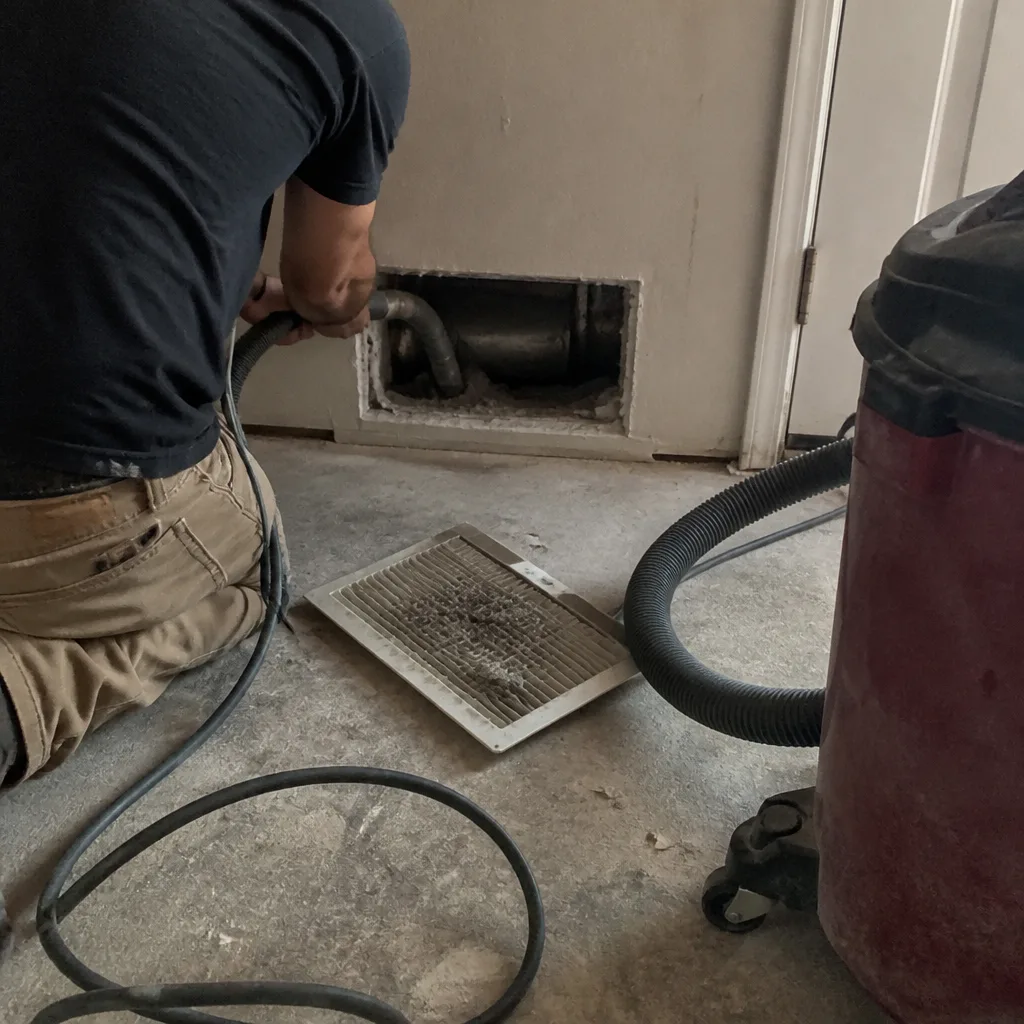 Before
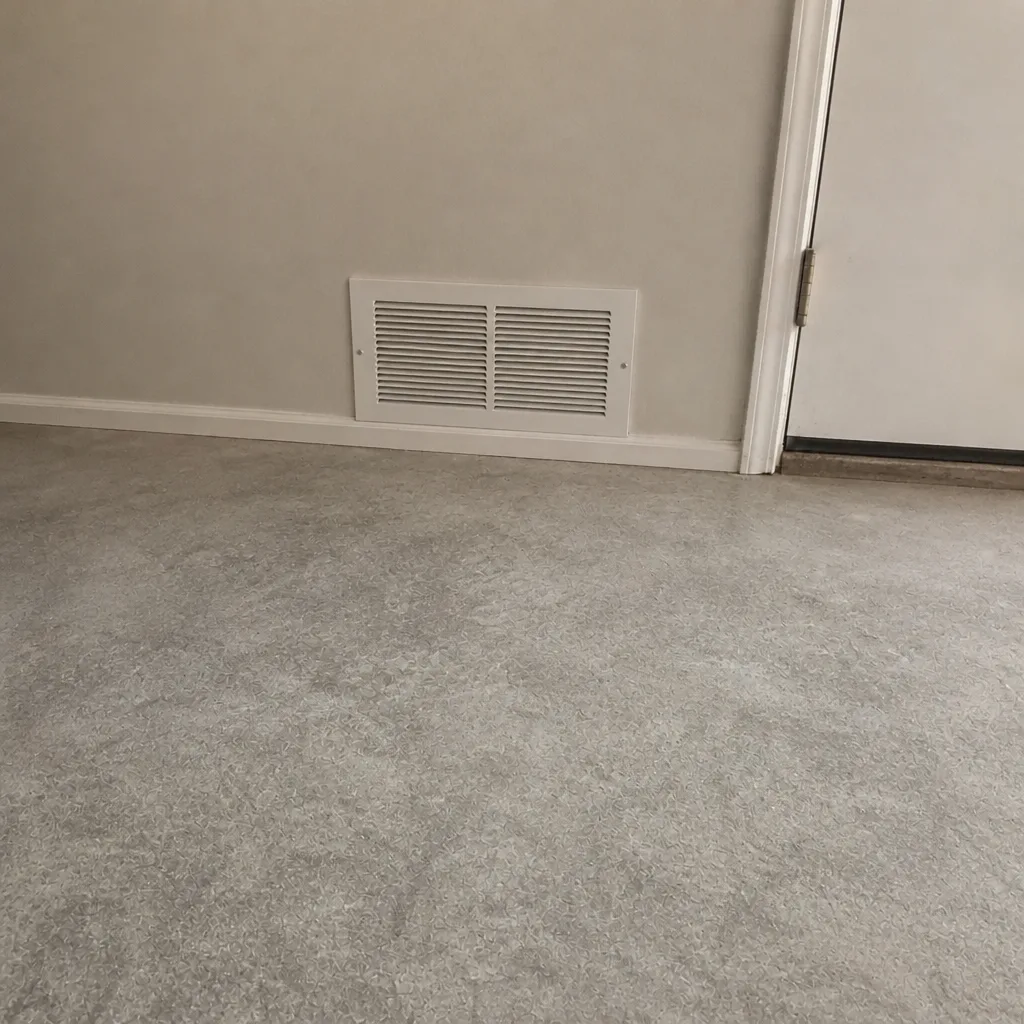 After
Frequently Asked Questions
Yes, for surface-level work: register and grille cleaning, the first accessible stretch of duct behind each register, and routine dryer vent maintenance. Don’t attempt it if you’ve had a renovation, seen signs of rodents, smelled mustiness on system startup, or had smoke damage.
Pricing depends on system size, the number of registers and returns, and condition. The right way to get a real number is a written estimate with the full scope before work begins. Call (855) 729-0413 for an exact quote; estimates are free.
Frequently because they’re per-vent or the quoted number doesn’t cover the full system, and the invoice grows once the technician is on site. A flat price per system, agreed before work starts, is the reliable structure. Call (855) 729-0413 to get a written estimate.
Before-and-after photos of your own ducts, taken as part of the job, and a report of what the inspection found. Ask how the company documents the scope before booking.
There’s no universal schedule. Homes with pets, allergy sufferers, recent renovations, or a history of pest activity need it more often than homes with none of those. If you’re unsure, an inspection answers the question better than a calendar.
Professional systems maintain negative pressure across the sealed duct network and capture dislodged material at a HEPA filter. We use Rotobrush and Nikro equipment, and deploy Abatement Technologies filtration on every job so contaminants are captured rather than recirculated. Consumer vacuums can’t match that airflow or containment. To schedule an inspection, call (855) 729-0413.
The Bottom Line
The DIY versus professional question comes down to what’s in your ducts, not how handy you are. For accessible, surface-level dust in a home with no renovation, pest, mold, or smoke history, cleaning the registers and the first 18 inches is legitimate and worth doing. For anything systemic, which means mold, rodent debris, drywall dust, or smoke residue, professional cleaning is the right call, and DIY risks spreading contamination into living space. If you’re not sure which side of the line you’re on, an inspection settles it. air duct cleaning estimates in Seven Hills are free, and it starts with a phone call. We handle cleaning, repair and sealing, HVAC cleaning, dryer vent work, and air quality sanitizing under one specialist team, so you’re not coordinating between contractors when cleaning exposes something that needs fixing.
Call (855) 729-0413 for a free estimate. We answer 24/7, with fast dispatch from 7am to 7pm, Sunday through Friday.
Written by the team at Air Duct Cleaning Seven Hills.